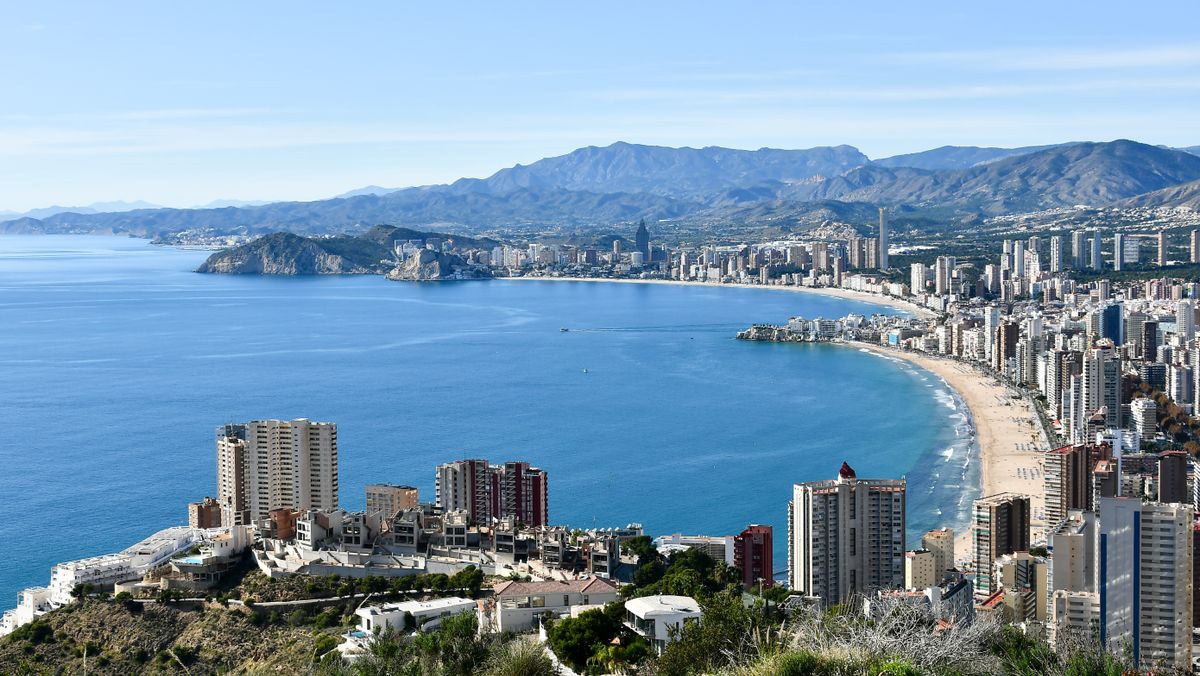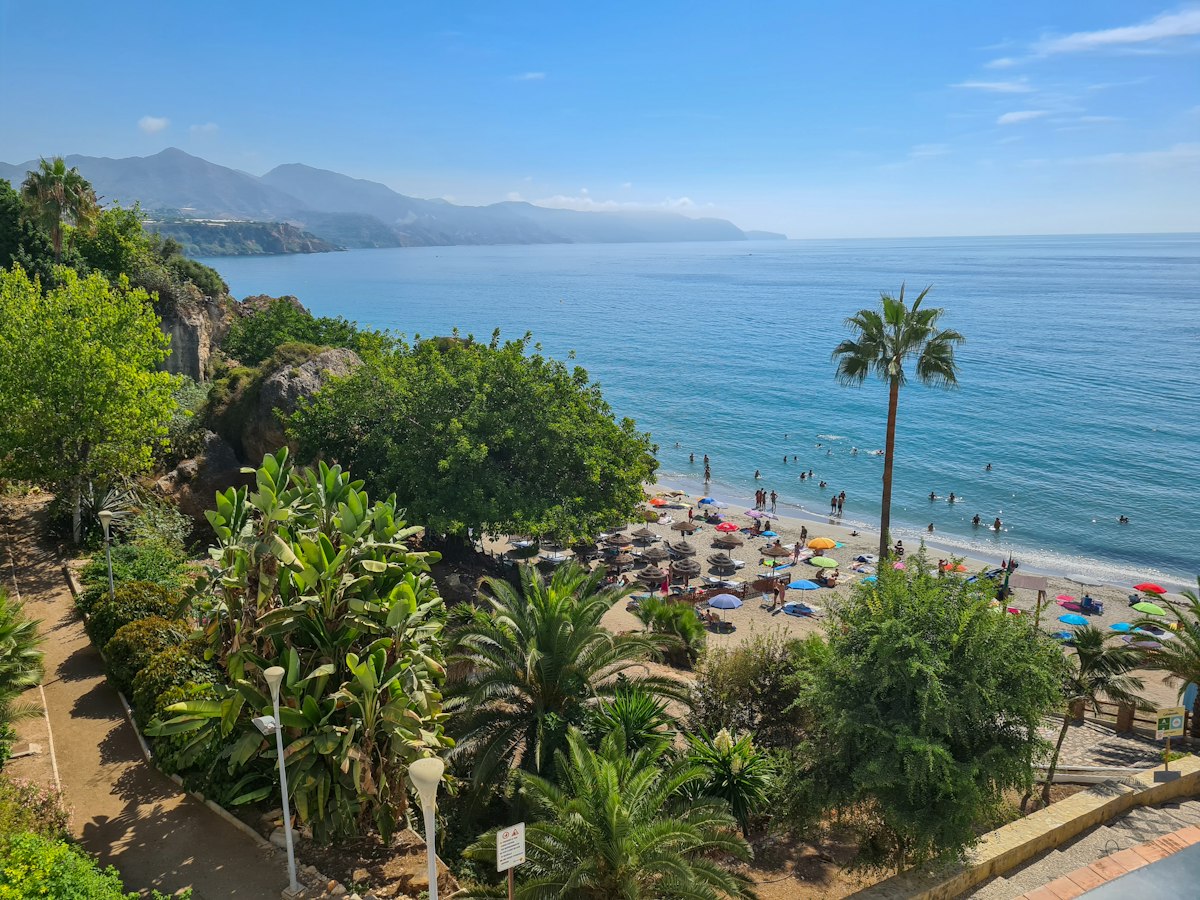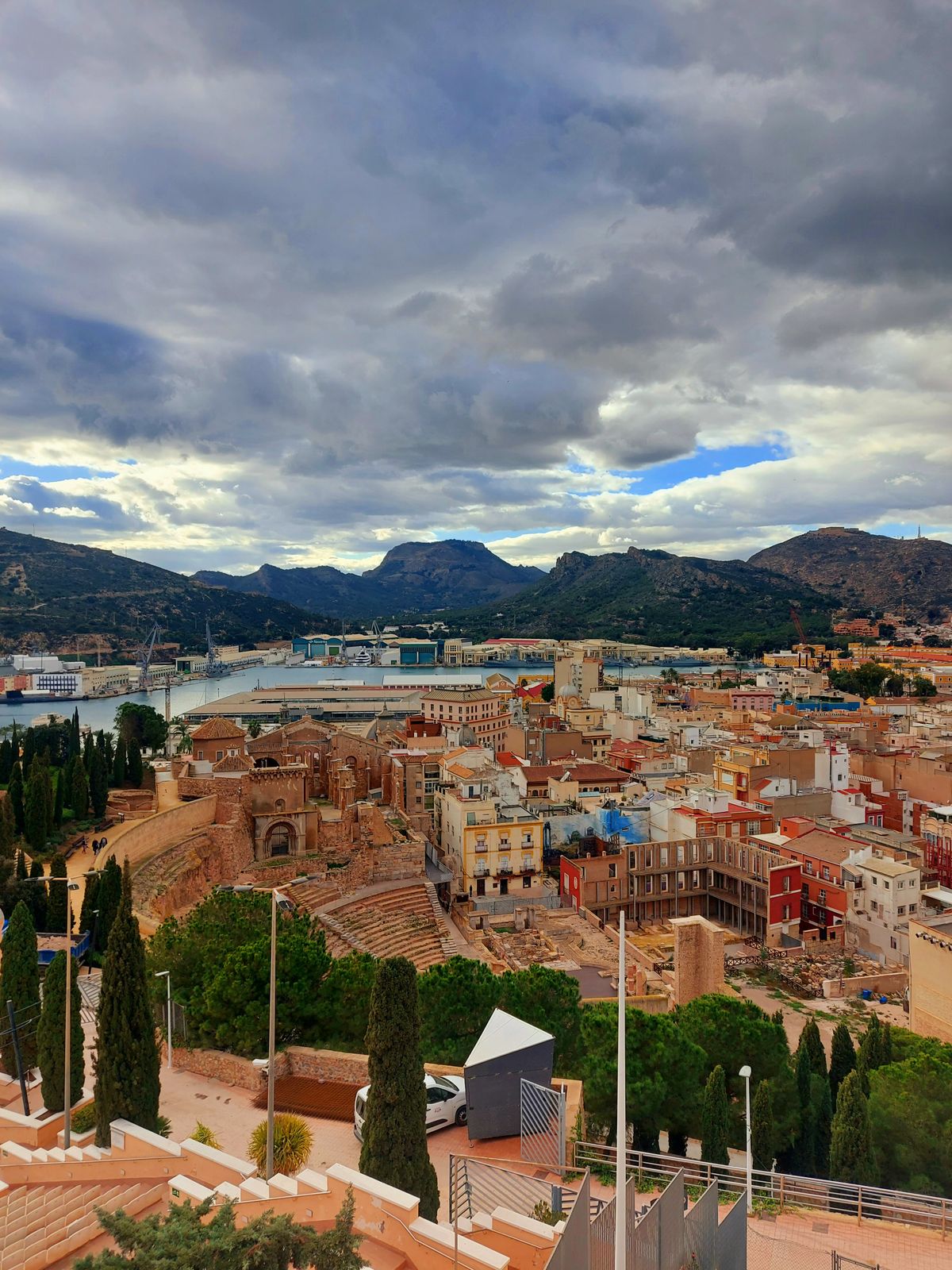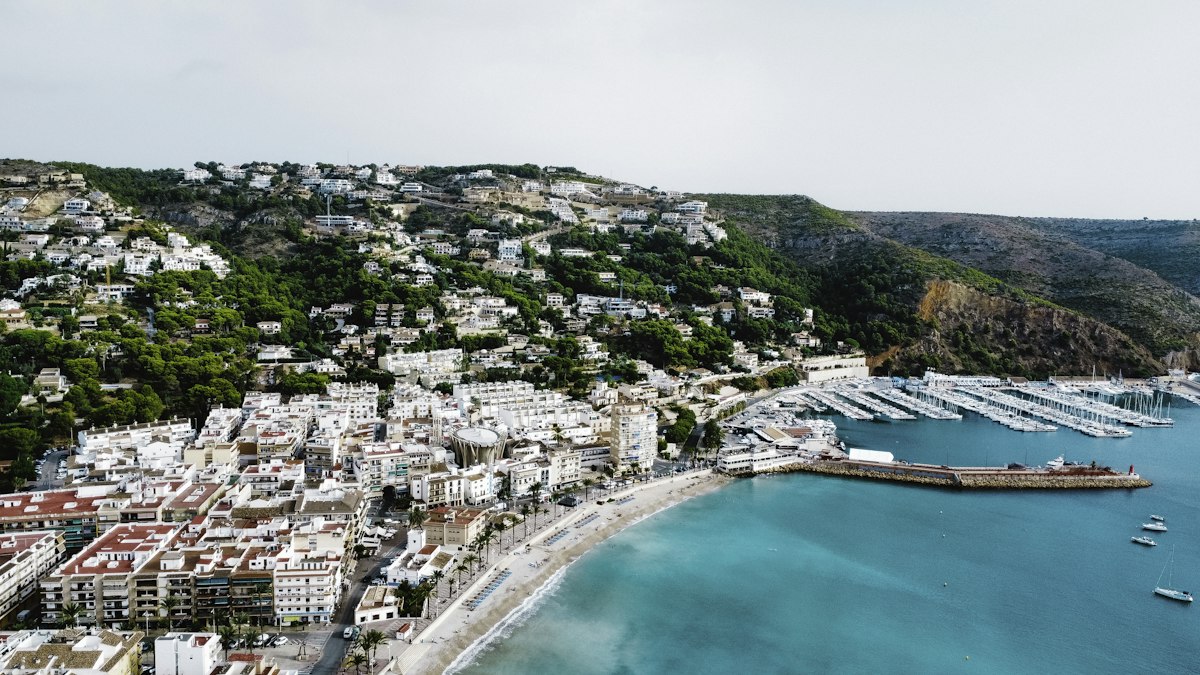
Jávea — or Xàbia in Valencian — is the town that keeps appearing at the top of UK buyer searches on the Costa Blanca for a reason. It has something that most Spanish resort towns struggle to manufacture: authenticity. The old town is genuinely old. The port is a working fishing harbour. The natural park behind the town has not been built out. And the three distinct zones — old town, port, and beach — give buyers a real choice of lifestyle within a single municipality.
A Place in the Sun has tracked it as one of the most searched Costa Blanca locations for UK buyers for several consecutive years. That demand is real, and the market has priced accordingly. There are no bargains in Jávea — but there is genuine quality, good rental potential, and the kind of environment that holds its appeal over decades rather than seasons.
This guide gives you the areas, the prices, the rental reality, and the honest downsides. Read it before you book the flight.
Is Jávea a Good Place to Buy Property?
For the right buyer, yes — consistently. Jávea has the rare combination of a functioning year-round community (population around 33,000, with a well-established British expat presence of 40+ years), genuine natural beauty in the form of the Montgó Natural Park that rises behind the town, and three different beach environments with completely different characters.
It's not a budget destination. The market here is competitive and transparent, with international buyers who know what they're looking at. Expect to pay €200,000 as an absolute floor for a modest apartment, and considerably more for anything with quality, views, or beachfront positioning.
If you're looking for value hunting and emerging markets, the Costa Blanca property guide covers towns where pricing is more favourable. Jávea rewards buyers who want a proven location with strong infrastructure, liquidity, and rental potential — and who understand they'll pay for those things upfront.
The one genuine sticking point: Alicante airport (ALC) is 100km away — a drive of around 1 hour 10 minutes in normal traffic. For frequent travellers, that's a real consideration. We'll come back to it in the downsides section.
Three Zones in One Town: Understanding Jávea's Property Market
Most first-time visitors to Jávea are surprised by how spread out it is. Unlike compact resorts that have a single centre, Jávea operates as three distinct zones that are several kilometres apart, each with its own character and its own property market.
La Vila (the old town) sits inland at the foot of the Montgó, about 2km from the sea. This is where the local Spanish community lives — market square, Gothic church, independent shops, bakeries open on a Tuesday morning. It's not a tourist zone. It's a functioning Spanish town that happens to also attract buyers who want character and authenticity over beachfront access.
El Puerto (the port) is Jávea's working fishing harbour, about 2km south of the old town. The port has a different energy to Arenal — calmer, more local, with excellent seafood restaurants on the waterfront and a year-round residential community that keeps the facilities functioning even in winter.
Arenal is the beach resort zone — the long sandy bay with the promenade, the tourist restaurants, the beach clubs, and most of the holiday rental infrastructure. Busier and more commercial than the other two zones, but the one with the clearest rental potential and the most liquid resale market.
Understanding which zone suits your use case is more important in Jávea than almost anywhere else on the Costa Blanca. A villa buyer looking for quiet year-round living has fundamentally different requirements to an apartment buyer wanting strong Airbnb yields — and Jávea has options for both, in completely different parts of town.
Jávea Property Prices: What Does Property in Jávea Spain Cost?
Jávea's market covers more ground than most Costa Blanca towns. At the lower end, you have genuine entry-level apartments in the old town and port areas at prices accessible to many UK buyers. At the upper end, the Cap de la Nau headland in the south delivers some of the most exclusive cliff-top villas on the entire Spanish coast.
Here's the price landscape by zone in 2026:
Arenal (main beach zone): €3,000–€5,500/m². The most liquid and most searched zone. Apartments from €220,000; front-line positions and quality builds toward €600,000+.
El Puerto (port area): €2,500–€4,000/m². Good mid-market. Apartments and townhouses €200,000–€450,000. Solid value relative to Arenal.
La Vila (old town): €2,200–€3,500/m². The most affordable entry point. Apartments €180,000–€350,000; character properties with original features at the upper end.
Cap de la Nau (southern headland): €5,000–€10,000/m². Jávea's prestige address. Villas from €800,000 to €3,000,000+. Very limited stock, extremely high demand.
La Granadella / Portichol (southern coast): €4,000–€7,000/m². Dramatic coves and natural coastline. Villas €600,000–€2,000,000.
Tosalet / Montgó residential areas: €2,000–€3,500/m². Established hillside urbanisations with sea views. Mix of detached villas and houses. €350,000–€900,000.
Budget 10–13% on top of the purchase price for taxes, legal fees, and notary costs. See our full breakdown of buying costs in Spain before you set your search budget.
Best Areas to Buy Property in Jávea
Arenal
Arenal is Jávea's main event for most UK buyers. The beach is long, sandy, and framed by a mature palm-lined promenade. The infrastructure — restaurants, supermarkets, beach clubs, sports facilities — is as good as you'll find on the northern Costa Blanca, and it's genuinely well-maintained.
For property, Arenal is the most liquid zone. You'll find the widest range of apartments, from older 1970s-era blocks at the budget end to quality modern complexes with underground parking and communal pools. Prices run €220,000 for a modest older apartment up to €600,000+ for a front-line apartment with sea views and quality fit-out.
The rental case is strongest here. Arenal is what most UK holidaymakers are booking when they search for Jávea — and the summer occupancy rates reflect that. A well-positioned two-bedroom apartment with pool and proximity to the beach will let consistently through July and August and increasingly into the shoulder season.
If resale liquidity and rental income are priorities, this is where you buy. The trade-off: it's the busiest zone in peak summer, and the older stock requires more careful due diligence on building condition and community fees.
El Puerto (Port Area)
El Puerto is where Jávea's character lives. The working harbour — still home to a genuine fishing fleet — gives the area an identity that no amount of development planning can create from scratch. The waterfront restaurants are consistently rated among the best in the region, specifically for seafood. The community that lives here year-round tends to be more mixed — Spanish, established British, Dutch, and German — and more permanent than the Arenal holiday crowd.
Property here is a good mid-market buy. Apartments and townhouses run €200,000–€450,000, with quality two-bedroom apartments in the €240,000–€320,000 range. Prices are meaningfully lower than front-line Arenal for comparable space, and the environment — wider streets, less tourist congestion, better year-round services — suits buyers who plan to spend significant time in the property rather than just peak season.
Rental yields are solid rather than spectacular. The port is less branded in the holiday market than Arenal, but it attracts higher quality, longer-stay renters who are often repeat visitors. If you want a property that works as both a genuine second home and a sensible rental, the port zone hits that balance well.
La Vila (Old Town)
La Vila — the casco antiguo — is Jávea's original settlement, and it shows. The streets are narrow and slightly chaotic in the best Spanish way. The main square is functional, not photogenic for Instagram purposes, and that's precisely the point. The local market, the pharmacy, the hardware shop, the church — they're all here because people actually live here.
Apartments in La Vila run €180,000–€350,000, making this the most affordable part of Jávea for buyers who don't need to be near the beach every day. Character properties — old stone townhouses, apartments in converted period buildings — occupy the upper end of that range. Modern apartments in smaller residential blocks start lower.
The buyer profile for La Vila skews toward people who want to live in Spain rather than holiday in Spain. Long-term residents who have moved beyond the beach routine, buyers integrating into the local community, or those who want genuine Spanish life rather than a beach-adjacent resort experience.
Rental potential is lower than Arenal but the purchase price is also lower. If you're buying primarily for personal use and running occasional rentals to offset costs, La Vila can make the numbers work with lower capital outlay.
Cap de la Nau
Cap de la Nau is a different conversation entirely. The southern headland of Jávea's municipality projects into the Mediterranean with dramatic cliff-top positions, tiny private coves accessible only by steps cut into the rock, and a level of privacy that simply cannot be replicated elsewhere in the area.
Villas here trade at €800,000 to €3,000,000+, with exceptional positions on the cliff top at the upper end and beyond. Stock is extremely limited — Cap de la Nau is not a volume market. When something comes to market, serious buyers move quickly, because the geography means you cannot build equivalents. What exists is what exists.
The buyer here is purchasing scarcity and prestige. Cap de la Nau has its own entry road system — narrow and winding — and limited local services, so it's genuinely only suited to buyers who want privacy and exceptional natural beauty above all else. For that buyer, it's one of the most compelling addresses on the entire Spanish coast.
Montañar and Tosalet
Montañar and Tosalet are the established hillside residential urbanisations sitting between the port and the beach areas, on the slopes above the town. The appeal is straightforward: sea views without cliff-top prices, relatively short drives to both Arenal and the port, and a mixed community of Spanish families, long-term expat residents, and buyers who want a villa rather than an apartment.
Detached villas and semi-detached houses range from €350,000 at the entry level — typically older builds needing work — to €900,000 for a well-positioned, renovated villa with private pool and panoramic sea views. The sweet spot for most buyers is €450,000–€700,000 for a three-bedroom villa in decent condition with pool.
This is where Jávea makes its case as a genuine year-round home rather than a holiday apartment. The properties are bigger, the lifestyle is calmer, and the community is more established. If you're looking at owning for 10+ years, the Tosalet and Montañar zones offer the kind of environment that wears well.
What Your Budget Actually Buys in Jávea
At €250,000: A two-bedroom apartment in Arenal or the port area with communal pool — likely an older build from the 1980s or 1990s, well-maintained, functional, in a good location. Expect to spend some money on modernising the interior. This is a solid entry point into the market and a property that will let reliably in summer.
At €450,000: You're choosing between a quality modern apartment in a well-located Arenal complex with sea views — or a villa with private pool in Tosalet or Montañar. The villa option gives you more space and privacy; the apartment gives you stronger rental potential. Both are legitimate choices depending on your priorities.
At €700,000+: You're into well-positioned Tosalet or Montañar villas with panoramic views and quality build, or the lower end of the Cap de la Nau market. This is where Jávea starts delivering on its premium reputation. Properties in this bracket tend to hold value well and attract the kind of renters who pay at the top of the market.
Rental Potential — Realistic Numbers
Jávea has one of the strongest holiday rental markets on the Costa Blanca. The combination of name recognition, high-quality beaches, strong UK and northern European visitor base, and well-established rental infrastructure makes it a reliable market for owners who manage their properties properly.
Arenal apartments are the workhorses. A well-presented two-bedroom apartment close to the beach will achieve €1,200–€2,000/week in peak July and August, with shoulder season rates of €700–€1,100/week in June and September. Gross yields on well-bought Arenal apartments typically run 5–7%. Not extraordinary by yield-chasing standards, but solid and reliable in one of Spain's most proven markets.
Villas with private pools achieve significantly higher rates but also have higher costs. A good four-bedroom villa in Tosalet with pool and sea views will command €3,000–€6,000/week at peak, with strong June and September bookings from buyers who actively prefer shoulder season to avoid the August crowds. Net yields are typically lower than apartments when you factor in maintenance, pool care, and higher community fees — but the absolute income per booking is substantially greater.
Cap de la Nau and premium villas serve a different market — buyers booking two or three weeks for a significant family trip, prepared to pay €5,000–€10,000/week for privacy, views, and quality. These properties let fewer weeks but earn proportionally more per week.
One important caveat: the Comunidad Valenciana tourist licence regime has tightened considerably. Apartments in buildings where the community of owners has voted against tourist rentals cannot be legally let. Villas with private pools are significantly easier to licence. Before you buy anything with rental income in the plan, verify the licence status and community position. Our guide to renting out property in Spain covers the process in detail.
Downsides of Buying Property in Jávea: What to Know First
Jávea is genuinely excellent, but no honest guide leaves out the friction points.
The airport drive is real. Alicante (ALC) is 100km from Jávea — around 1 hour 10 minutes in normal traffic, and meaningfully longer in peak summer when the AP-7 motorway gets congested north of Dénia. If you're planning to use the property for frequent short breaks, that journey adds up. Valencia airport is slightly closer in some conditions but serves fewer UK routes. This is the single most common complaint from buyers who didn't think it through upfront.
Peak season is very busy. Arenal in July and August is full. The beach fills up by mid-morning, the restaurants are booked, the roads are congested. Many long-term residents and serious second-home owners avoid Arenal entirely in August and spend time elsewhere — at the old town, at the port, or off the coast entirely. If you're buying primarily for August weeks, go in knowing what you're buying into.
Cap de la Nau infrastructure is limited. The roads are narrow, winding, and genuinely unsuited to large vehicles. Services — shops, restaurants — require a drive. It's a beautiful place to be, but it's a destination that requires planning rather than convenience.
New build supply is very limited. Unlike many Costa Blanca towns where new development creates pricing competition and buyer choice, Jávea's planning environment and geography constrain new build significantly. The upside is price stability; the downside is that you're working in a resale-dominated market where condition and legal status require careful due diligence. Engage a qualified local lawyer early — start with our NIE number guide and step-by-step buying guide.
Winter quietness is real. The beach infrastructure genuinely closes down between November and March. If you're planning to spend significant winter time in Jávea, base yourself in the old town or port rather than Arenal, where the off-season atmosphere is sparse.
Jávea vs Moraira: Which Costa Blanca Town Should You Buy In?
Jávea and Moraira are the two most frequently compared northern Costa Blanca towns for UK buyers, and it's a legitimate choice because they're genuinely different propositions at different price points.
Moraira is smaller (around 10,000 permanent residents), more boutique, and protected by strict planning rules that prevent high-rise development entirely. The planning discipline has preserved its character but also permanently capped supply — which creates structural price support but also limits choice and liquidity. Read the full Moraira property guide for the detailed comparison.
Jávea is larger, more diverse, and more liquid. Three distinct zones mean there are property types and price points for different buyer profiles within a single municipality. The beach infrastructure — particularly Arenal — is better developed, which drives stronger holiday rental returns. The town is larger, with more services, more restaurants, and a more active year-round economy.
On price: Jávea typically runs 10–20% below Moraira per square metre for equivalent properties in comparable zones. That gap reflects Moraira's additional scarcity premium and planning restrictions rather than any quality differential. Both markets are well above the Costa Blanca average.
On rentals: Jávea wins clearly. The combination of Arenal's profile in the UK market, higher tourist infrastructure, and better beach facilities produces stronger occupancy and higher absolute yields than Moraira. Buyers whose calculations include significant rental income should weight this heavily.
On lifestyle: Moraira is quieter, more exclusive, and better suited to buyers who want to minimise tourist-season congestion and integrate into a smaller expat community. Jávea is more active, more varied, and better for buyers who want amenities, beach access, and a bigger social and commercial scene.
If you're still undecided after reading both guides, it usually comes down to one question: is peak-season busyness a feature or a bug for you? If you want the energy of a well-functioning beach resort, Jávea wins. If you want to avoid it, Moraira wins.
Spanish Mortgage Options
UK buyers purchasing in Jávea can typically access Spanish non-resident mortgages at 60–70% LTV from major Spanish banks. Rates have settled after the 2022–2024 rate cycle and both fixed and variable products are available, with fixed rates generally preferred by UK buyers who are used to fixed-rate products and don't want exposure to Euribor movements.
The Spanish mortgage process has specific requirements and timelines that differ from the UK — our guide to Spanish mortgages for non-residents covers the documentation requirements, typical terms, and how to approach the process before you've found a specific property.
Final Verdict
Jávea earns its consistent top ranking among UK buyers on the Costa Blanca. The natural setting — Montgó behind, Mediterranean in front, three distinct zones with different characters — is genuinely hard to replicate. The old town is real, the port is working, and the beaches are excellent. The expat infrastructure is mature enough to make the transition straightforward without making the place feel like a transplanted Britain.
The price reflects all of that. You won't find speculative value or emerging-market deals here. What you'll find is a proven market with good liquidity, strong rental potential particularly in Arenal, and the kind of environment that buyers return to for decades rather than a few seasons.
Buy in Jávea when you've done the numbers properly — costs, mortgage, rental projections, airport access — and decided that the quality justifies the price. It usually does. But go in clear-eyed, not optimistic.
---
*Ready to explore listings? Browse villas for sale in Alicante and apartments for sale in Alicante to see the full picture across the Costa Blanca. For close neighbours with similar character, read the Dénia property guide and Altea property guide. For the broader regional picture, the Costa Blanca property guide covers everything from Dénia south to Torrevieja.*
Frequently Asked Questions
Q: Is Jávea a good place to buy property?
Yes, for the right buyer. Jávea has a proven track record, strong rental demand (particularly in Arenal), genuine natural beauty, and a year-round community of around 33,000 residents. It is not a cheap market — expect to pay €200,000+ for an entry-level apartment — but the quality, liquidity, and rental potential justify the premium for buyers who've done their numbers properly.
Q: What is the average property price in Jávea?
In 2026, Jávea property prices range from around €2,200/m² in the old town to €10,000/m² on the Cap de la Nau headland. A typical two-bedroom apartment in Arenal costs €220,000–€400,000. A three-bedroom villa with pool in Tosalet or Montañar is typically €450,000–€750,000. The median purchase price across the whole municipality sits in the €350,000–€500,000 range.
Q: Is Jávea expensive compared to other Costa Blanca towns?
Yes — Jávea is one of the pricier markets on the northern Costa Blanca. Comparable properties in Dénia typically run 10–20% below Jávea prices. Moraira is broadly equivalent or slightly higher in its prime zones. Buyers seeking better value for money with similar coastal lifestyles often find Dénia a compelling alternative, especially for budgets under €400,000.
Q: Can British people buy property in Jávea after Brexit?
Yes. Brexit did not restrict UK nationals' right to purchase property in Spain. British buyers can buy freely, though you need a Spanish NIE number before contracts can be signed at the notary. UK buyers who plan to spend more than 90 days in 180 in Spain will also need a Spanish residency visa — either the Non-Lucrative Visa or Digital Nomad Visa depending on their situation.
Q: What are typical rental yields on Jávea property for sale?
Well-positioned Arenal apartments achieve gross yields of 5–7% annually, with peak-season weekly rates of €1,200–€2,000 in July and August. Villas with private pools command €3,000–€6,000/week at peak but have higher operating costs, resulting in slightly lower net yields. Tourist licence compliance (Comunidad Valenciana rules) is essential — confirm licence status before buying.
Ready to find your property in Spain?
Browse thousands of verified listings from licensed local agents.
Browse properties →