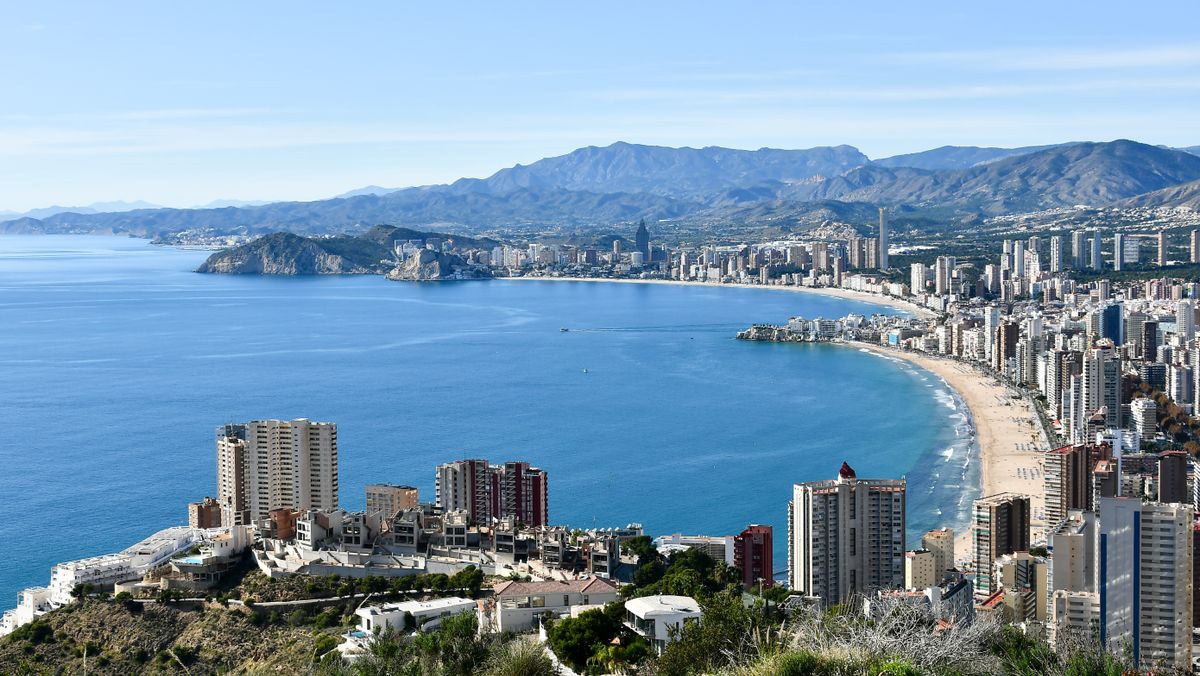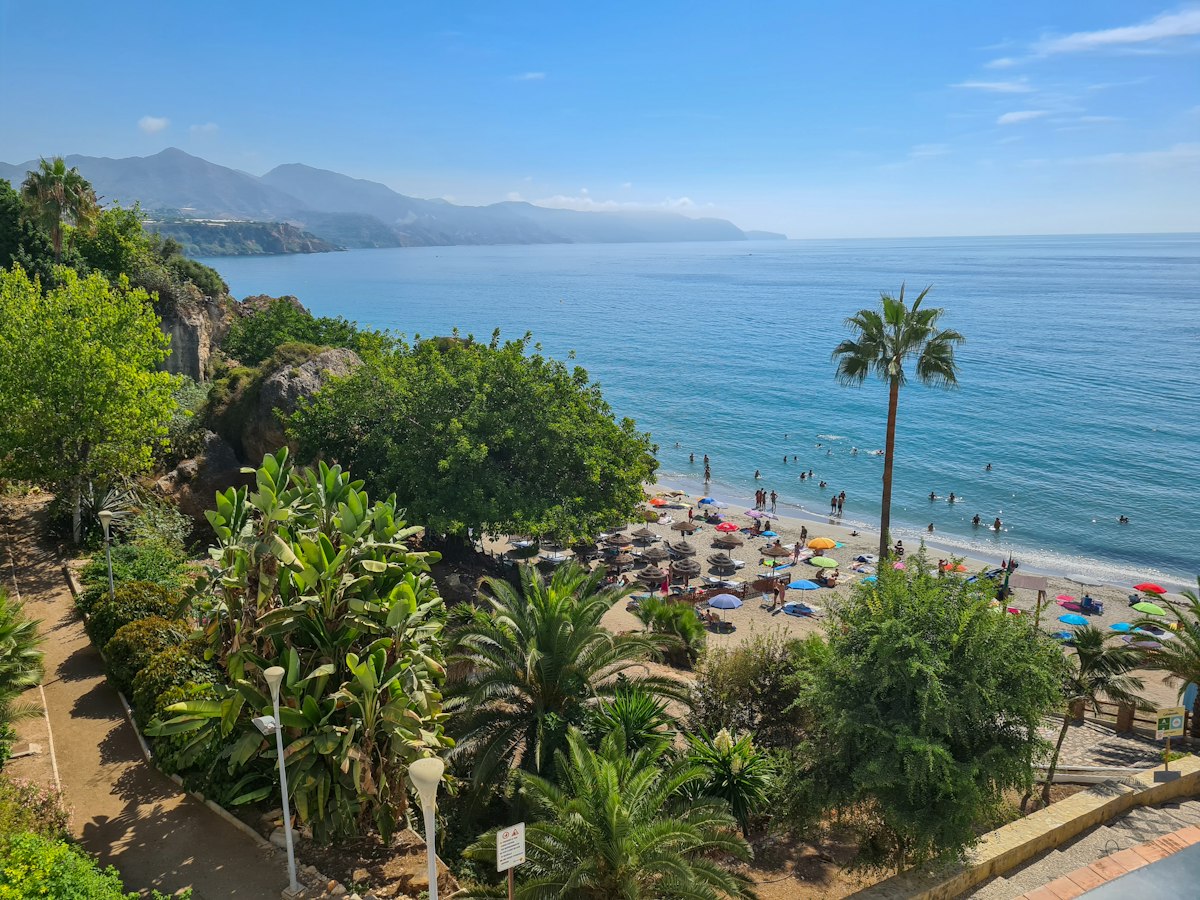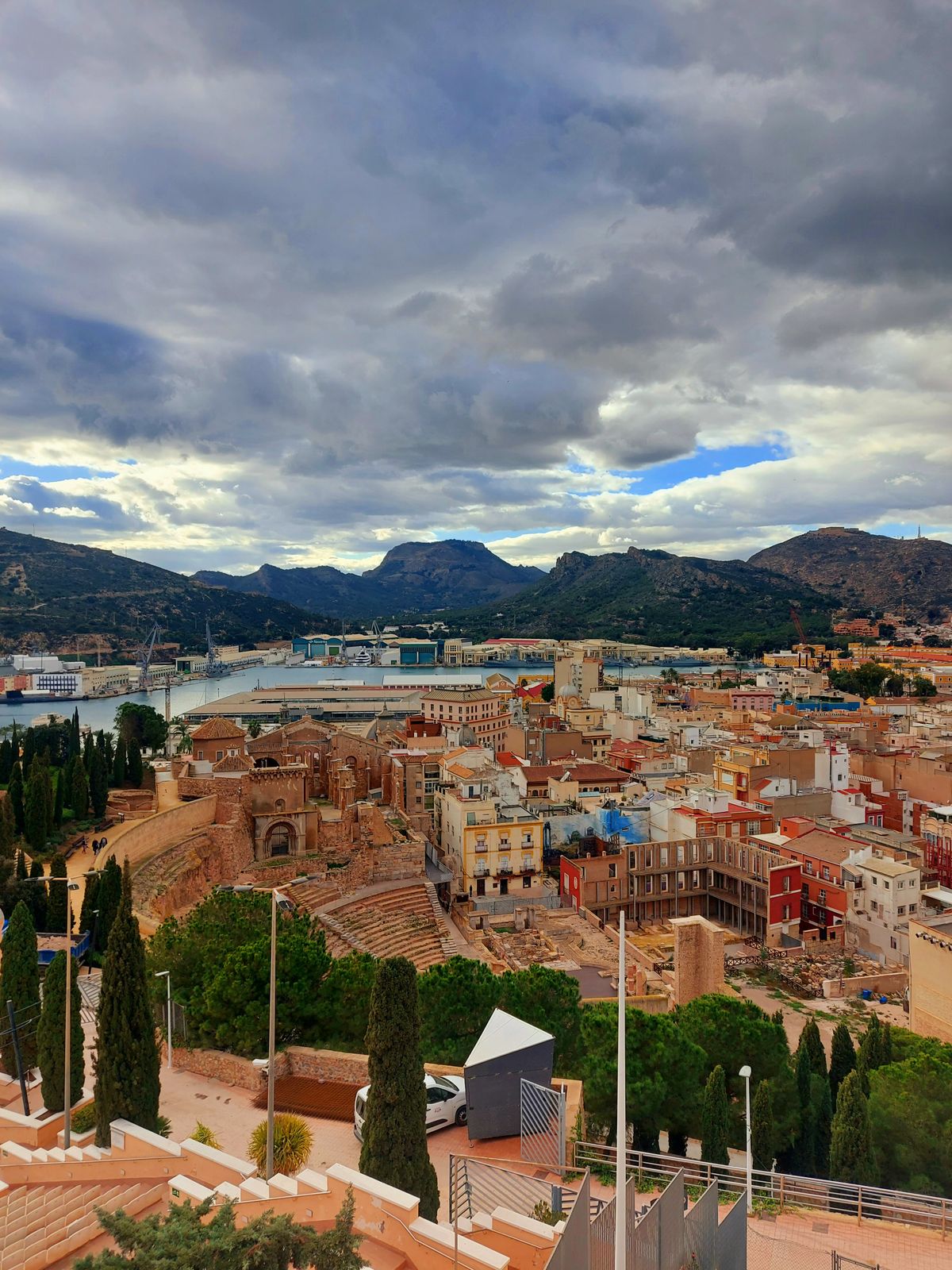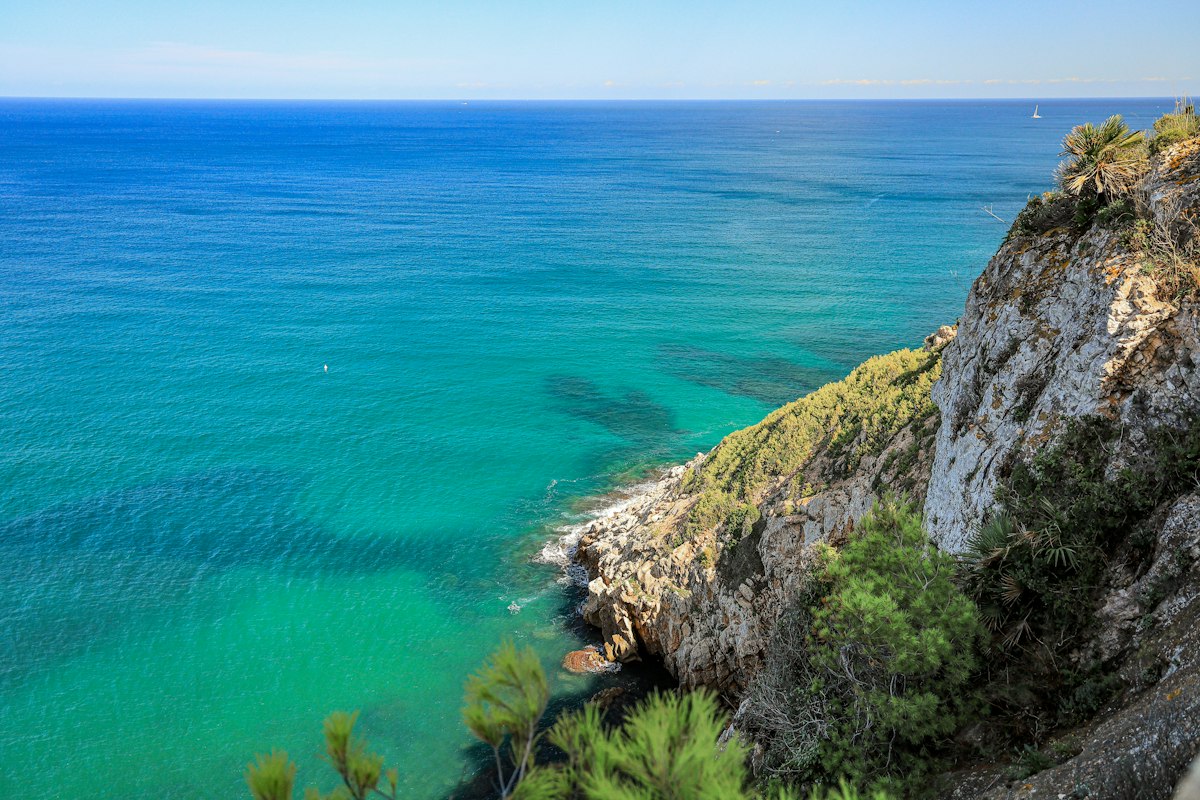
Dénia doesn't have the international profile of Jávea or the glamour of Moraira. What it has instead is something arguably more valuable: a real town that functions 365 days a year, prices that still make sense, and a character that hasn't been entirely sanded down by the holiday property market.
It sits at the northern tip of the Costa Blanca, pressed between the Montgó massif and the Mediterranean, 40km across the water from Ibiza. Population ~45,000 — large enough for a hospital, shopping centres, and decent schools, small enough that the old town still belongs to its residents. If you're a UK buyer looking for somewhere with genuine year-round livability, reasonable entry prices, and room to grow, Dénia deserves serious consideration.
Is Dénia a Good Place to Buy Property?
Yes — with a clear-eyed view of what you're getting. Dénia is not trying to compete with Jávea on prestige or Altea on beauty. Its proposition is different: affordability, infrastructure, and authenticity, in a location that has historically been undervalued relative to its neighbours.
Prices have risen steadily since 2021, but Dénia still sits below Jávea on a per-square-metre basis by 10–20% depending on the area. That gap has been narrowing. The town's improving connectivity, growing rental demand (more on the Ibiza effect below), and genuine year-round economy make it a credible long-term hold.
The key questions for UK buyers are usually: *Can I actually live here comfortably in winter? Will it hold its value? Can I rent it out?* The honest answer to all three is yes — more confidently than at some of the smaller resort villages further north.
What Makes Dénia Different
The comparison you'll hear most often is Dénia vs Jávea. They're 25 minutes apart and superficially similar — northern Costa Blanca, Montgó mountain backdrop, mix of beaches and coves. But the experience is quite different.
Dénia is a working town. The fishing fleet still goes out every morning. The market on Saturday mornings is genuinely local. The castle above the old town dates back to the Moors and has been continuously inhabited since the 11th century. The restaurants that have been around for 40 years are still packed with Spanish families on Sunday lunchtimes — not just tourists.
This matters practically. In winter, Dénia doesn't close down. The shops are open, the restaurants are trading, there's a proper social infrastructure. For buyers thinking about spending more than two months a year here — or relocating entirely — this is a meaningful difference from some of the more resort-oriented towns on the coast.
The ferry terminal is another genuine differentiator. Dénia is the mainland departure point for Baleàlia and Trasmediterránea ferries to Ibiza and Mallorca. This sounds like a footnote but it isn't — it shapes the town's summer rental market in a specific way, and it gives owners a level of connectivity that most Costa Blanca towns don't have.
Infrastructure rounds out the picture. Dénia has the Hospital de Dénia (a private-public partnership hospital that consistently ranks well), a large Carrefour and Mercadona, Decathlon, international schools within driving distance, and a train line to Alicante (slow but useful). It functions as the regional capital of the Marina Alta comarca — which means the services are there.
Dénia Property Prices: What Does Property in Dénia Spain Cost?
Dénia's property market covers a wider range than most Costa Blanca towns of similar size. You'll find everything from €140,000 resale apartments on the Las Marinas strip to €2 million-plus contemporary villas with sea views on the Las Rotas headland.
Indicative price ranges by area (2026):
- Las Marinas (northern sandy beach strip): €1,800–€3,200/m²
- Las Rotas (southern rocky coves, most prestigious): €3,000–€5,000/m²
- Old town / town centre: €2,000–€3,200/m²
- El Palmerar / port area: €2,200–€3,500/m²
- Montgó Tenis / Tossal Gros (hillside residential): €2,000–€3,200/m²
- Les Deveses / Les Marines (northern residential): €1,600–€2,800/m²
The market is predominantly resale. New development exists but is limited by the Montgó Natural Park and coastal planning restrictions — which is actually a good thing for buyers, as it limits oversupply.
A useful overview of all buying costs in Spain — ITP transfer tax, notary, registro, gestoría — is in our buying costs guide. Budget 10–12% on top of the purchase price.
Best Areas to Buy Property in Dénia
Las Marinas
Las Marinas is the long sandy beach strip stretching north from the town towards Les Deveses and the Alicante provincial border. It's split into several named sub-beaches — Les Deveses, L'Almadrava, Les Marines, La Punta — totalling around 4km of sand.
This is Dénia's most accessible area for family buyers and first-time buyers in the town. It's affordable, the beaches are excellent (flat, sandy, with calm water), and summer rental demand is strong. The trade-off is that the area is car-dependent, the architecture tends towards functional 1980s–2000s apartment blocks, and it can feel quiet outside July and August.
What you'll pay: Apartments from €160,000–€350,000. Small villas and townhouses from €250,000–€500,000. Good rental yields in summer — typically 6–8 weeks of reliable bookings at rates that stack up.
Las Rotas
Las Rotas is where Dénia gets genuinely beautiful. The southern coastline below the town is a series of rocky coves and clear-water inlets, backed by pine forest and adjacent to the Montgó Natural Park. The snorkelling is exceptional. The crowds are lighter than the sandy beaches. The whole area has a different feel — quieter, more private, more expensive.
This is Dénia's most prestigious address. Stock is limited, turnover is low, and buyers who get in tend to stay. Villa prices start around €400,000 for older properties requiring work and climb to €1,500,000+ for modern builds with sea views and pools.
If Las Rotas is in your budget, buy there. It holds value better than any other part of Dénia, and it's genuinely one of the nicest coastal environments on the northern Costa Blanca.
Old Town / Town Centre
The old town is Dénia at its most authentic. The castle sits above it, the port is a five-minute walk, the market is three minutes away. You can do your daily life entirely on foot: bakery, fish market, restaurants, pharmacy, bank.
The property stock here is a mix of older Spanish apartments (some recently reformed, some needing work) and the occasional townhouse. It's not all old — there are modern buildings in the wider town centre area too. But the urban grain is denser and the atmosphere is distinctly more Spanish than the beach strips.
What you'll pay: Apartments from €180,000–€380,000 depending on size, condition, and proximity to the castle. Townhouses and ground-floor properties with outdoor space push towards €400,000+. Strong year-round rental demand from people visiting for longer periods who want to actually be in a Spanish town.
Best for: buyers who want to live here rather than holiday here, or who want short-term rental income from visitors who seek authenticity over beach proximity.
El Palmerar / Port Area
El Palmerar is the residential area immediately south of the port — a mix of apartments and villas within walking distance of the marina, the ferry terminal, and some of Dénia's best seafood restaurants. It has a slightly more upscale feel than Las Marinas, good amenities on the doorstep, and easier access to the town centre than Las Rotas.
What you'll pay: Apartments from €200,000–€420,000. Villas from €350,000–€700,000. The proximity to the ferry terminal means some summer animation — which adds rental demand but also some noise.
Montgó Tenis / Tossal Gros
Montgó Tenis is an established residential area climbing the lower slopes of the Montgó massif, roughly midway between Dénia and Jávea. Large plots, detached villas, mature gardens, good sea views from the higher positions. It has a Jávea-adjacent prestige without quite reaching Jávea prices.
This is where buyers who want space, privacy, and views tend to end up. The area is quieter than the beach strips, residents are a mix of Spanish, German, British, and Dutch, and the environment is genuinely attractive — pines, orange groves, mountain backdrop.
What you'll pay: Villas from €350,000 for older stock up to €900,000+ for renovated or new-build properties with elevated sea views. Not a strong short-term rental area — better suited to buyers planning to use the property themselves for extended periods.
What Your Budget Actually Buys
At €200,000: A two-bedroom apartment in Las Marinas — probably a resale from the 1990s or 2000s, functional rather than beautiful, in a complex with a community pool. Or an entry-level flat in the town centre with character but likely needing a refresh. This budget works, but you should go in with realistic expectations about what the property will look like. See our full Spain buying guide for what to inspect before you commit.
At €350,000: The market opens up considerably. A quality apartment at Las Rotas — newer build or well-reformed, with sea views from the terrace. Or a villa on the lower slopes of Montgó Tenis, likely 3 beds, private pool, garden. Or a genuinely nice reformed apartment in the old town with outdoor space. At this level, you're getting something you'd actually want to show friends rather than apologise for.
At €600,000+: A villa at Las Rotas with direct sea access or elevated views, or an elevated Montgó property with panoramic views from the Costa Blanca to Ibiza on a clear day. This is where Dénia's geography starts to feel genuinely spectacular, and where the gap with Jávea pricing matters most — a comparable property in Jávea's best spots would likely cost you €750,000–€900,000+.
You'll need your NIE number before you can sign any purchase documents — sort this early, ideally before you start seriously viewing. If you're considering financing, our guide to Spanish mortgages for non-residents covers what's available to UK buyers post-Brexit and what LTVs to expect.
Rental Potential — Including the Ibiza Effect
Dénia's rental market is more interesting than its modest international profile suggests. Standard Costa Blanca demand applies — July and August are the peak weeks, with families from Madrid, Valencia, and the UK filling the beach apartments. But Dénia has something extra.
The Ibiza effect is real. Dénia is the mainland embarkation point for ferries to Ibiza and Mallorca. Every summer, thousands of travellers use Dénia as a base — arriving by car from Madrid or Valencia, taking the ferry across, returning a few days later, and spending another night or two before driving home. This creates a demand stream that other Costa Blanca towns simply don't have. It also means Dénia attracts a slightly different demographic of visitor — slightly older, more self-sufficient, higher spend — alongside the usual beach holiday crowd.
The practical result: well-bought apartments at Las Marinas or El Palmerar can achieve gross rental yields of 5–7% on annual basis including the peak season. Las Rotas villas at the upper end are lower yield but strong capital preservation.
Note: rental properties in Dénia fall under Comunidad Valenciana tourist licence regulations. Getting a licence is more straightforward than in some regions, but it's not automatic — you'll need to apply through the Generalitat Valenciana's tourism registry. Our renting out property in Spain guide covers the process in detail.
Downsides of Buying Property in Dénia: What to Know First
Dénia is not perfect, and you should go in with eyes open.
Alicante airport is genuinely far. 90km, typically 1 hour 15 minutes in good traffic. In high summer, with road works or an accident on the A-7, you could be looking at 1 hour 45. This is worse than Jávea, and significantly worse than towns closer to Alicante. It's manageable — most residents adapt — but if you're planning frequent weekend trips, it adds up. There's no credible closer airport at the time of writing.
The ferry terminal creates summer noise and traffic in the port area. The streets around the terminal get congested during ferry departures (Ibiza sailings go several times daily in peak season). If you're buying in El Palmerar or anywhere close to the port, factor in July and August animation.
Las Marinas can feel isolated. The far northern end of the beach strip, particularly around Les Deveses, is car-dependent and quiet outside summer. It's fine if you're coming for three weeks in August and want the beach. Less so if you're planning extended winter stays without a car, or expecting to walk to anything.
Resale is slower than Jávea. Less international name recognition means a smaller buyer pool. This isn't a crisis — Dénia does sell — but if you needed to exit quickly, Jávea would move faster. Go in with a medium-to-long-term horizon and it doesn't matter. Factor it in if you're treating this as a short-term hold.
Denia Property for Sale vs Jávea: Which Should You Choose?
This is the question most northern Costa Blanca buyers end up asking themselves, and the honest answer depends entirely on what you're actually optimising for.
Choose Jávea if:
- International prestige and resale liquidity matter more than value
- You want the Arenal beach (one of the best sandy beaches on the coast)
- You're primarily a holiday property buyer who won't be here in winter much
- Budget isn't the main constraint and you'd rather pay for the established name
- You want year-round livability and proper infrastructure
- Your budget is in the €200,000–€500,000 range and you want more for your money
- You want to actually integrate into Spanish life rather than the expat bubble
- Rental income is part of the plan and you want the Ibiza ferry demand as an additional tailwind
- You like the idea of buying somewhere that's still slightly under the radar
Final Verdict
Dénia is the intelligent buy on the northern Costa Blanca right now. It's not trying to be glamorous — it's trying to be a functioning Spanish town, and it succeeds at that in a way that most tourist-heavy coastal communities do not.
The price gap with Jávea means your money goes further. The year-round infrastructure means you can actually live there, not just visit. The ferry connections create rental demand that other Costa Blanca towns can't replicate. And the Montgó Natural Park and planning restrictions mean oversupply isn't going to erode your position.
It's not without trade-offs — the airport distance is real, the international resale market is thinner, and Las Marinas at its far northern end is functional rather than beautiful. But for buyers who are thinking clearly about what they need from a Spanish property, rather than what sounds impressive at dinner parties, Dénia consistently delivers.
Our full Spain buying guide covers the legal process end to end. When you're ready to look at specific properties, browse villas for sale in Alicante and apartments for sale in Alicante to see what's available across the whole province. For close neighbours, compare with the Jávea property guide and the Altea property guide.
Frequently Asked Questions
Q: Is Dénia a good place to buy property?
Yes — particularly for buyers prioritising year-round livability and value for money. Dénia functions as a real town 365 days a year, has genuine infrastructure (hospital, international schools nearby, supermarkets), and prices that sit 10–20% below Jávea for comparable properties. The Ibiza ferry connection adds a rental demand stream that most Costa Blanca towns don't have.
Q: What is the average property price in Dénia?
In 2026, Dénia property prices range from around €1,600/m² in Les Deveses to €5,000/m² in Las Rotas. A resale apartment in Las Marinas starts from €160,000; a quality villa at Las Rotas is €500,000+. The sweet spot for most buyers — a solid apartment or small villa in a good location — sits in the €250,000–€450,000 range.
Q: Is Dénia cheaper than Jávea?
Yes, typically 10–20% cheaper per square metre for comparable properties. A villa with sea views that costs €750,000 in Jávea's Tosalet might be found for €600,000–€650,000 in Dénia's Montgó Tenis area. The price gap is real and consistent, though it has been narrowing as Dénia gains international recognition.
Q: Can British people buy property in Dénia after Brexit?
Yes. British nationals can buy property in Spain freely. You need a Spanish NIE number before the notary can complete any purchase. If you plan to spend more than 90 days in Spain per 180-day period, you'll also need a Spanish residency visa — either the Non-Lucrative Visa (passive income/retirees) or Digital Nomad Visa (remote workers).
Q: What are Dénia property rental yields like?
Well-positioned apartments at Las Marinas or El Palmerar achieve gross rental yields of 5–7% annually. The Ibiza ferry connection brings an additional demand stream in summer that other Costa Blanca towns lack. Las Rotas villas offer lower yields but stronger capital preservation. All short-term rentals require a Comunidad Valenciana tourist licence — verify this before buying.
Ready to find your property in Spain?
Browse thousands of verified listings from licensed local agents.
Browse properties →