Gandía is not on most international buyers' radar, and that is largely the point. While the Costa Blanca has spent decades being shaped by British, German, and Scandinavian demand, Gandía has quietly remained what it always was: a proper Spanish beach city, used primarily by Valencian and Madrileño families who have been coming here for generations.
That insularity is either a feature or a flaw depending on what you want from a Spanish property. If you're looking for English-speaking estate agents on every corner and a weekly British market, this isn't your place. If you want genuine Spanish coastal life at prices that actually make sense, Gandía deserves serious attention.
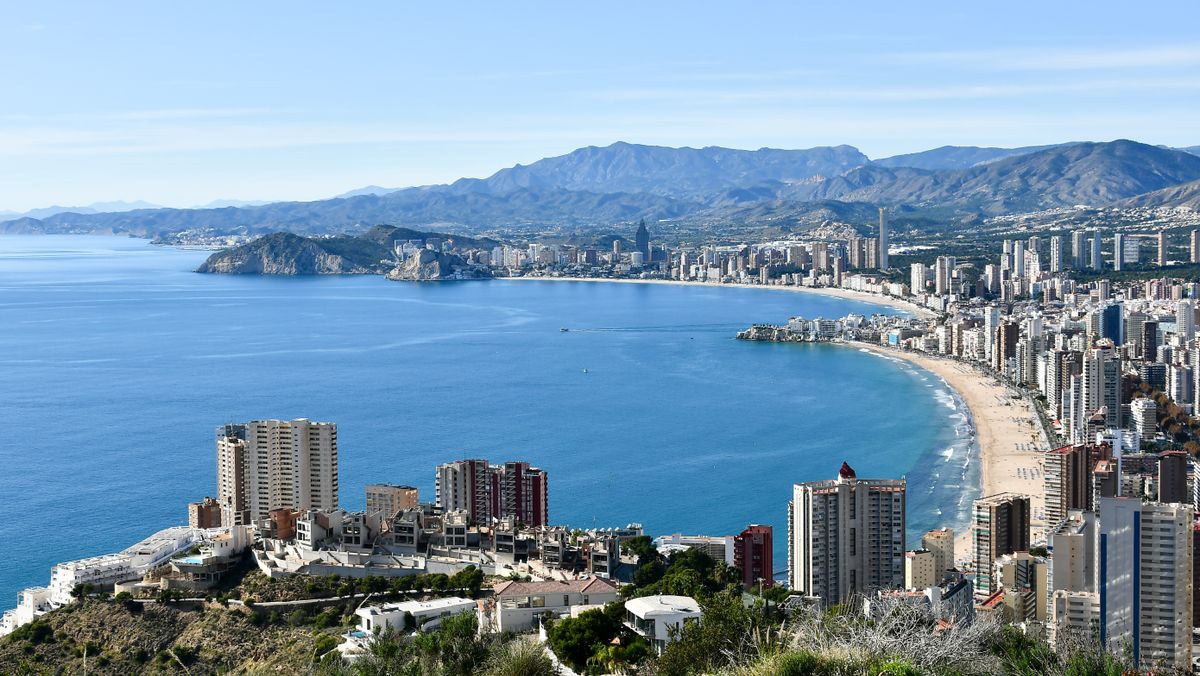
It sits 70km south of Valencia city on the Costa de Valencia — technically distinct from the Costa Blanca, which starts around Dénia, 40km further south. Population of the municipality is around 80,000, making it one of the larger cities on this stretch of coast. The beach — Playa de Gandía — is over 3km of sand holding a consistent Blue Flag rating. The infrastructure is urban-grade rather than resort-grade: hospital, university campus, real supermarkets, a working port.
Gandía Town vs Gandía Playa: Two Very Different Propositions
This is the most important thing to understand before you look at a single property listing, and most buyers initially miss it.
Gandía town (the historic centre) is inland, about 4km from the sea. It's a proper Valencian city: commercial streets, the 15th-century Ducal Palace of the Borgias, covered market, municipal swimming pools, residents who are here year-round because this is their city, not their holiday destination. Property prices here are lower than the beach — often significantly. You're buying into a functioning Spanish urban environment, not a resort.
Gandía Playa (the beach district, sometimes called the Playa de Gandía zone or referenced under the La Safor comarca) is the coastal strip: apartment blocks, beach bars, restaurants, tourist infrastructure, and the long sandy beach that draws hundreds of thousands of Spanish visitors every summer. This is what virtually every international buyer is actually interested in, and this is where prices are higher, competition is keener, and the seasonal nature of the market is most pronounced.
The two are connected by Avenida de la Devesa and a local bus service. Owning in the town and spending your time at the beach works for residents. For buyers thinking about rental income, you want the Playa — that's where the demand is.
Why Buy in Gandía?
The Valencia connection is real
Gandía is served by RENFE's Cercanías network — the suburban rail service out of Valencia's main stations. Journey time is approximately 70 minutes on the C-1 line. By road on the AP-7 motorway, it's around an hour depending on traffic. This makes it one of the more connected beach destinations in the Valencia Community: you genuinely can work or base yourself in Valencia and have a beach property within commuting distance if your schedule allows.
It's a Spanish market, not a tourist product
The dominant buyers in Gandía are Valencian families — particularly from Valencia city — and Madrileños who have been coming here since the Franco era when it was the beach of choice for Spanish middle-class families. International buyers exist but are a small minority. This matters for a few reasons.
First, prices track the Spanish domestic market rather than British or Northern European demand cycles. When those markets shift — post-Brexit nervousness, changes to UK pension regulations, whatever the next external shock is — Gandía absorbs less of the impact than somewhere like Torrevieja or Orihuela Costa.
Second, the cultural experience is authentic. You're not living inside a British expat bubble. Spanish is the language of daily life here (and Valencian, which has a significant presence in this region). The bars and restaurants are priced for Spanish domestic consumers. The social fabric is Valencian.
Third, it keeps a natural floor under prices. When the city of Valencia — a major European capital with 800,000 inhabitants — is an hour away and its residents treat Gandía as their beach, you have a structural demand base that resort-only markets lack.
The beach is genuinely excellent
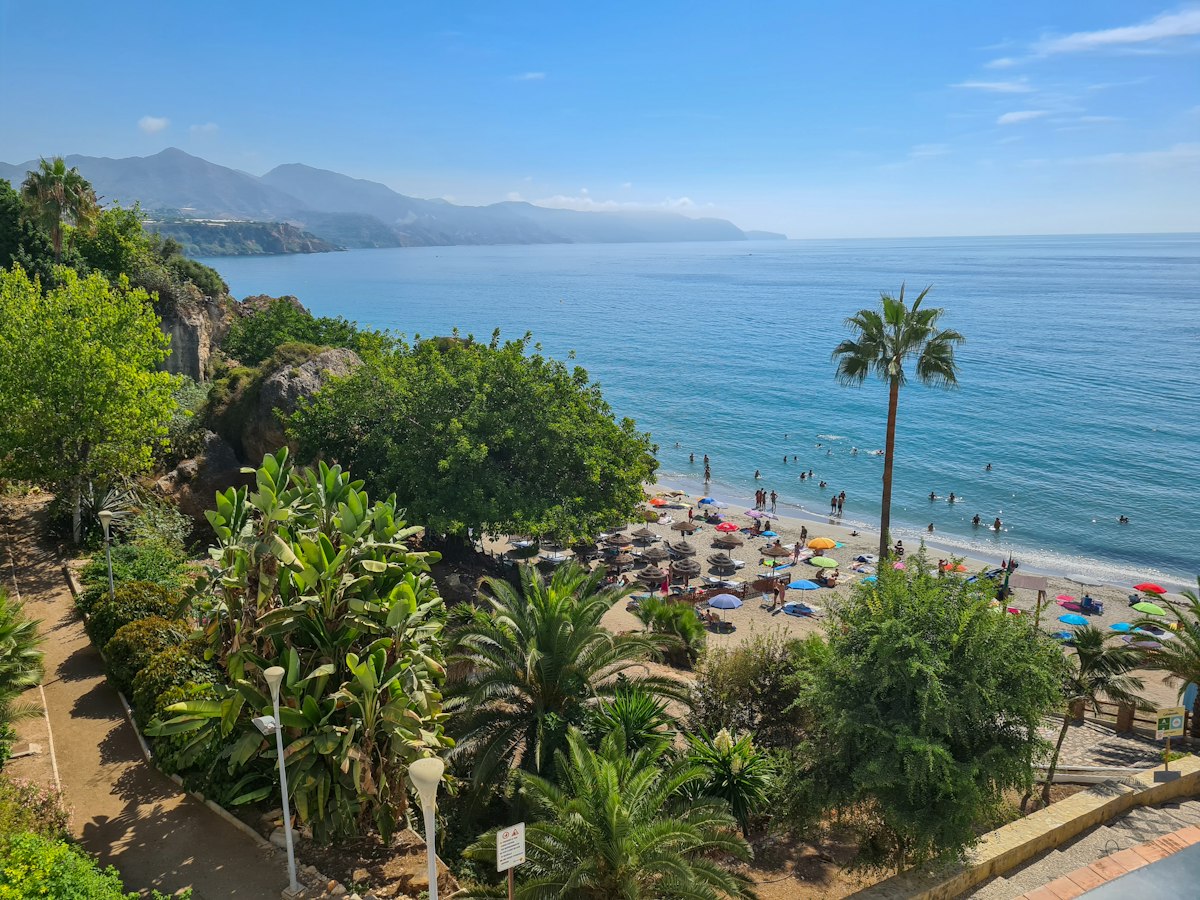
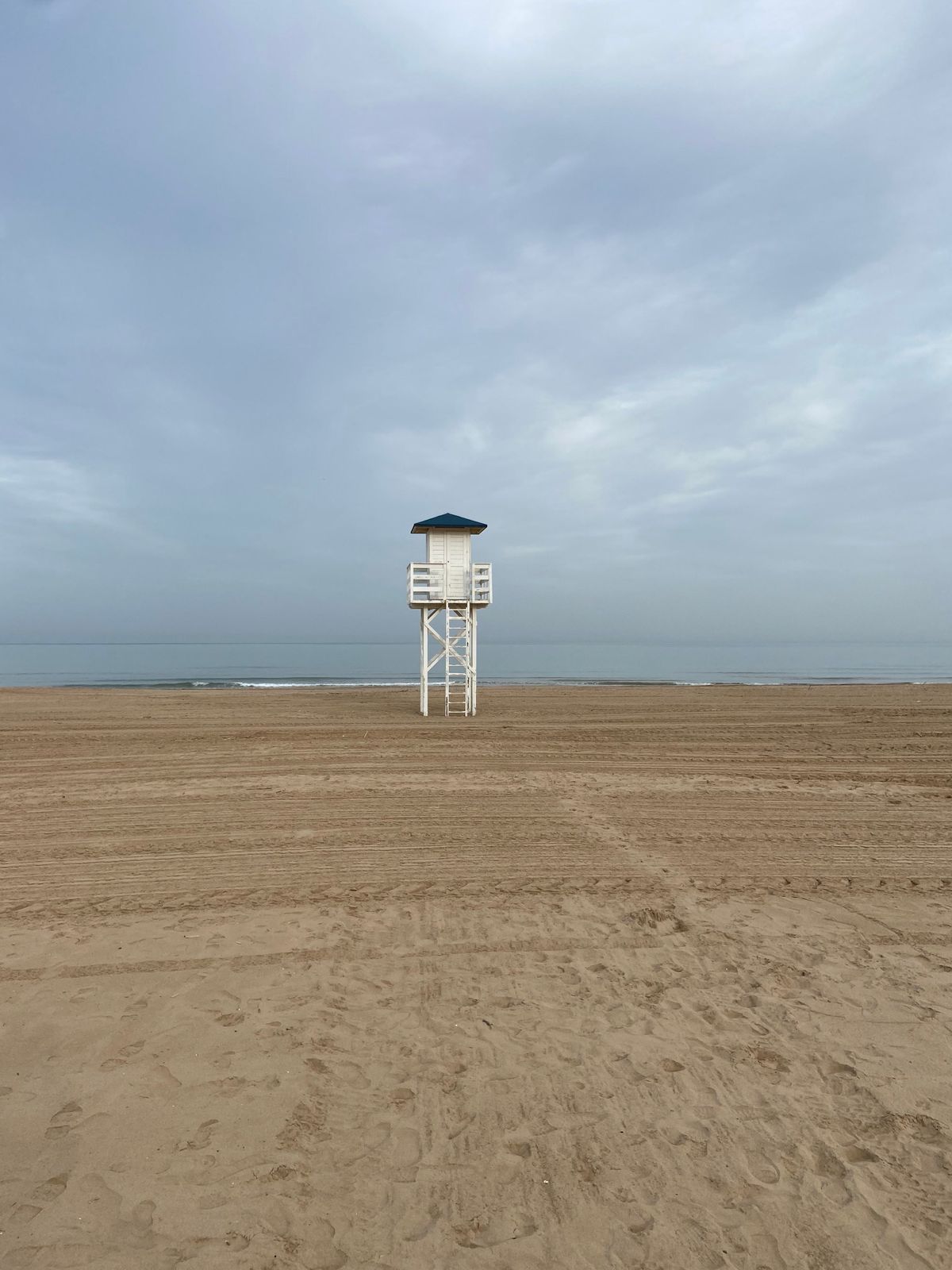
Playa de Gandía is flat, wide, well-managed, and consistently Blue Flag certified. At over 3km long, it absorbs crowds better than many smaller beach resorts. The water is calm, the sand is fine, and the beach infrastructure — showers, lifeguards, accessible areas — is urban-grade. It is not an undiscovered cove, but it is a proper beach. In July and August it is packed. Outside those months, on a warm weekend in May or October, it is genuinely beautiful and largely empty.
Gandía Property Prices: What to Expect in 2026
Gandía's property market is dominated by apartments — particularly along the Playa strip. Detached villas are rare within the beach zone. Townhouses exist but are most common inland.
Indicative price ranges for Gandía Playa:
- Studio / 1-bedroom beach apartment (resale): €80,000–€120,000
- 2-bedroom apartment (resale, standard block): €120,000–€175,000
- 2-bedroom apartment (recently reformed or better location): €150,000–€200,000
- 3-bedroom apartment (good size, decent block): €180,000–€260,000
- Penthouse with sea views (2–3 bed): €200,000–€350,000
- New build (limited availability): typically €200,000–€320,000 for a 2-bed
- 2-bedroom apartment (town centre): €70,000–€130,000
- 3-bedroom apartment or townhouse: €100,000–€200,000
- Renovated townhouse or small villa: €150,000–€280,000
As with all Spanish property purchases, budget 10–12% on top of the purchase price for taxes and costs — ITP (transfer tax), notary, land registry, and gestoría fees. Our buying costs guide covers this in detail.
The Holiday Rental Market: Honest Assessment
Gandía's July and August rental market is extremely active. Spanish domestic demand — particularly from Valencia city and Madrid — fills the beach apartments reliably during these weeks. Weekly rates for a 2-bedroom apartment in the Playa zone in peak season can reach €800–€1,200, with some well-positioned units achieving more.
The problem is the calendar. Outside July and August, the market drops sharply. June and September are partial seasons — the beach is pleasant, some families visit, but occupancy is inconsistent. May and October are quieter still. November through March, Gandía Playa is largely closed: restaurants shut, the beach bars are gone, the tourist infrastructure hibernates. Occupancy in winter is negligible.
The practical implication: annual yields depend almost entirely on maximising those 8–10 peak weeks. A 2-bed apartment achieving 7 peak weeks at €900/week gross (€6,300) plus a handful of shoulder-season bookings might generate €8,000–€10,000 annually. Against a purchase price of €160,000, that's a gross yield of 5–6% — before platform fees, utility costs, cleaning, management, and the rental licence costs.
The rental licence situation in the Valencia Community is a genuine complication. Unlike Andalucía, where the process is relatively streamlined, the Comunitat Valenciana's VT licence (Vivienda Turística) system involves a formal application through Turisme Comunitat Valenciana, compliance with specific habitability standards, a first-occupancy licence, and registration in the regional registry. Some municipalities — particularly in areas of heavy tourist pressure — have imposed moratoriums on new licences. You must verify the licence status before buying. Ask specifically: does the property already have a VT licence? If not, is the area subject to a moratorium? Getting this wrong is expensive. Our holiday rental licence guide covers the Valencia process in more detail.
If rental income is central to your purchase rationale, focus on properties that already hold a valid VT licence, or get written legal advice on licence availability before signing any private purchase contract.
Getting There: Transport Links
- Valencia city: 70min by RENFE Cercanías (C-1 line from Valencia Estació del Nord / Xàtiva); ~1hr by car on the AP-7 motorway
- Valencia Airport: approximately 80km, 1 hour by car — no direct train connection; taxi or car required
- Alicante Airport: approximately 130km, 1.5 hours by car — an option for budget flights but inconveniently far for regular use
- Madrid: approximately 4 hours by car, or Valencia then AVE high-speed rail (Valencia to Madrid is under 1hr 40min)
There is no commercial airport nearby. If frequent flying is essential to your usage pattern, factor Alicante Airport's distance into your cost-benefit calculation.
Nearby Areas Worth Knowing
Oliva — 10km south, between Gandía and the Costa Blanca border. Smaller, quieter, less developed, with a good beach and a more traditional Valencian character. Property prices are slightly lower than Gandía Playa. Growing slowly in popularity, particularly among buyers who find Gandía too busy in summer.
Cullera — 30km north, where the Júcar river meets the sea. Similar Spanish domestic market character, dramatic clifftop setting, good beaches. Slightly less accessible from Valencia than Gandía. Worth knowing if Gandía feels too expensive for what you want.
Dénia — 40km south, where the Costa Blanca technically begins. More international buyer profile, higher prices, ferry connection to Ibiza and Mallorca. A meaningfully different market from Gandía — see our Dénia property guide for the full picture.
Valencia city — 70km north. Not a beach destination, but one of Spain's great cities: Michelin-starred restaurants, the City of Arts and Sciences, world-class cycling infrastructure, a genuine year-round cultural scene. Some buyers use Gandía as their beach base and spend significant time in Valencia. This axis — Valencia city plus a Gandía beach property — is a coherent lifestyle strategy for the right buyer.
Who Is Buying in Gandía?
The honest answer is: mostly Valencians and Madrileños. A 2-bed apartment in the Playa zone bought by a Valencia family in 1985 and passed down is the dominant mode of property ownership here. The resale market is active, but it's largely Spanish families upgrading, downsizing, or releasing capital — not a market driven by international buyers seeking a second home in the sun.
International buyers do exist — there are some British, German, and Dutch owners, and there's a small but growing contingent of buyers from other European countries attracted precisely by the non-resort character. But you are operating in a Spanish-language market, with Spanish-speaking agents, Spanish bank processes, and a community where English is much less of a default than in Costa Blanca towns like Torrevieja or Orihuela Costa. This is not a problem — it's just reality. Budget for translation support and a good English-speaking gestoría if you need one.
The Honest Trade-offs
Gandía is genuinely compelling in several ways. It's also genuinely limited in others.
Where Gandía delivers:
- Authentic Spanish coastal life, not a British expat resort
- Beach apartments at prices well below Costa Blanca equivalents
- Strong structural demand from Valencia's large population
- A great beach that functions as a proper urban amenity, not a tourist product
- Good rail connection to Valencia
- Extremely seasonal rental market — two peak months, then near-silence
- VT rental licence process is more complex than Andalucía, with moratorium risk
- Low international profile means a smaller buyer pool when you come to sell
- Airport access requires either Valencia (transfers) or the long drive to Alicante
- Limited new-build supply; much of the resale stock dates from the 1970s–1990s and may need updating
Frequently Asked Questions
Is Gandía a good place to buy property?
Yes — with a clear view of the seasonal nature of the market. Gandía works best for buyers who want an authentic Spanish beach destination at a lower price point than the Costa Blanca, and who are realistic about the two-month peak season that drives rental demand. It is less suitable for buyers expecting a year-round rental income stream or an internationally liquid resale market.
Is Gandía on the Costa Blanca?
No. Gandía is on the Costa de Valencia (or Costa de Valencia / Costa del Azahar, depending on the source), which covers the Valencia province coastline. The Costa Blanca begins roughly around Dénia to the south, in Alicante province. Gandía is in Valencia province. The distinction matters because the two markets have quite different buyer profiles, price dynamics, and international profiles.
What are property prices in Gandía?
In 2026, 1-bedroom beach apartments in Gandía Playa start from around €80,000–€100,000 for resale properties. A 2-bedroom apartment in a decent block with good beach access costs €130,000–€180,000. Penthouses with sea views run €200,000–€350,000. Inland in Gandía town, prices are typically 30–40% lower for equivalent space. New build is limited and priced at a premium.
Can I get a holiday rental licence in Gandía?
Potentially — but it is not straightforward. Holiday rentals in the Valencia Community require a VT (Vivienda Turística) licence issued by Turisme Comunitat Valenciana. The process involves compliance with specific habitability requirements, a first-occupancy licence (cédula de habitabilidad), and registration in the regional tourism registry. Some zones within Gandía and neighbouring municipalities have imposed moratoriums on new licences due to housing pressure. Always verify licence status before purchasing any property you intend to rent out short-term, and take written legal advice on whether a new licence is obtainable if the property does not already hold one.
How does Gandía compare to the Costa Blanca?
Gandía offers lower prices, more authenticity, and a shorter distance to Valencia city. The Costa Blanca — towns like Dénia, Jávea, Moraira, and further south Torrevieja — offers higher international profile, more established resale markets, closer access to Alicante Airport, and in many cases a more developed English-speaking infrastructure. If cultural authenticity and value are your priorities, Gandía is compelling. If resale liquidity and international connectivity matter more, the Costa Blanca has the edge.
---
For the full legal and financial picture, our complete Spain buying guide walks through every step from offer to completion. If you're comparing regions, the Valencia property guide covers the city itself, and the Costa Blanca property guide covers the coast to the south. For the rental licence process in the Valencia Community, see our holiday rental licence guide.
Ready to find your property in Spain?
Browse thousands of verified listings from licensed local agents.
Browse properties →