Mijas is the Costa del Sol municipality that confuses more UK buyers than any other — and the confusion is understandable, because "Mijas" is really two completely different property markets sharing one town hall.
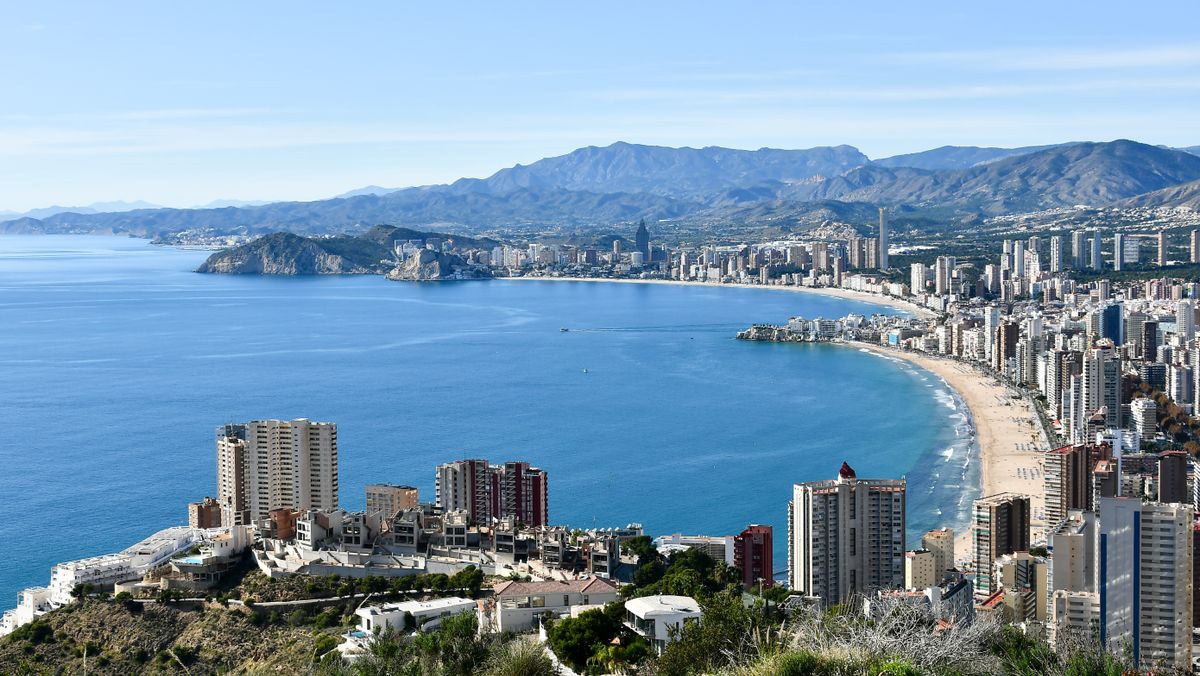
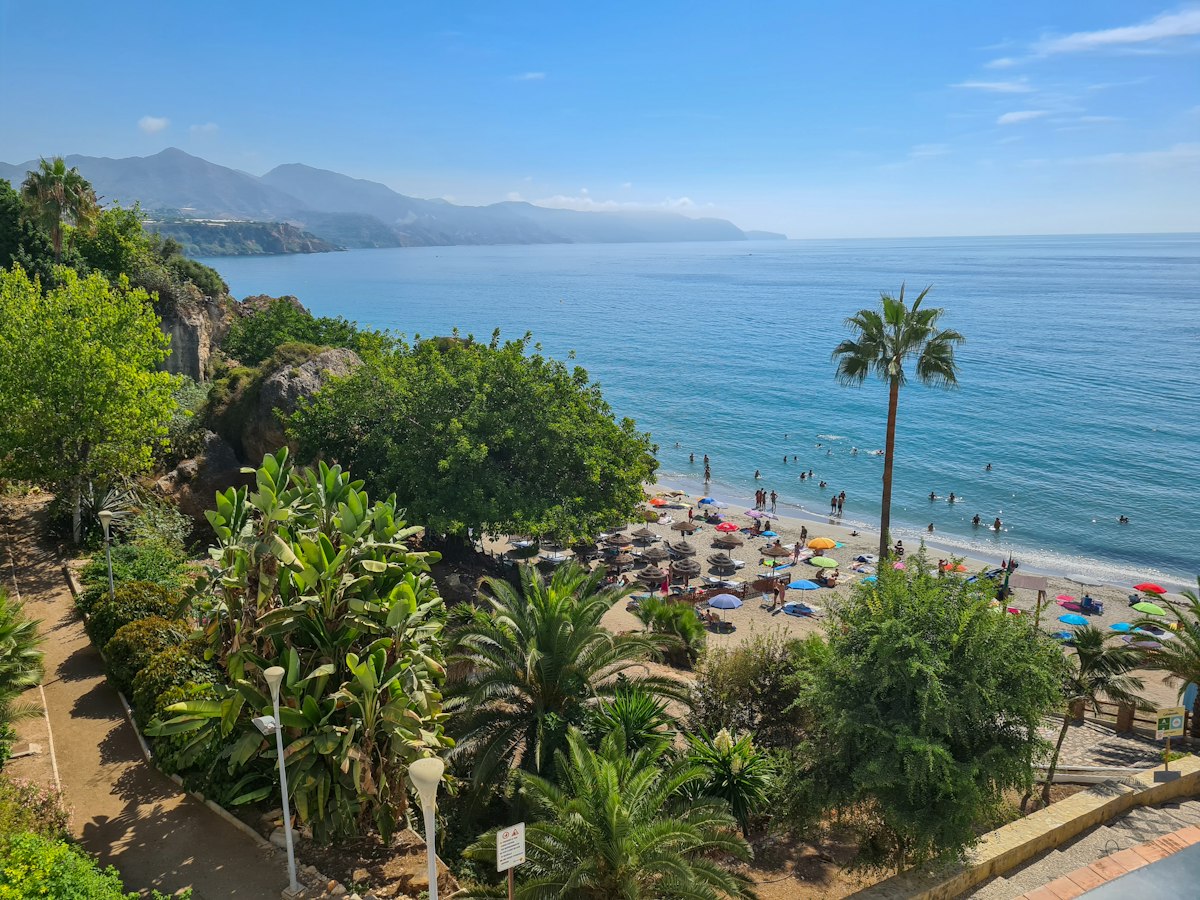
Mijas Pueblo is the postcard: a whitewashed village perched at roughly 400 metres above sea level in the foothills of the Sierra de Mijas, with donkey taxis, cobbled lanes, and views across the Mediterranean that estate agents don't need to exaggerate. Mijas Costa is something else entirely — a 12-kilometre coastal strip running from the Fuengirola border west towards Marbella, taking in La Cala de Mijas, Calahonda, Riviera del Sol, and a string of golf-and-beach urbanisations that house one of the largest British communities in Spain.
Buy in the wrong half for your circumstances and you'll regret it. This guide separates the two markets properly — prices, character, rental economics — so you know which Mijas you're actually buying.
One Municipality, Two Markets
The Mijas municipality covers around 149km² and roughly 90,000 registered residents — around 40% of them foreign nationals, with British passport holders the single largest group. The property stock splits across three distinct zones:
Mijas Pueblo, the historic hilltop village, is small, protected, and supply-constrained. New construction is heavily restricted inside the village core, which is precisely why it has kept its character while much of the coast has not.
Mijas Costa, the coastal strip, is where the vast majority of the municipality's transactions happen. It has no single centre — it's a chain of urbanisations and beach towns strung along the A-7, of which La Cala de Mijas is the closest thing to a proper town.
Las Lagunas, the inland district bordering Fuengirola, is the municipality's working commercial heart — functional and Spanish in character, but rarely what UK lifestyle buyers are shopping for. It's where the cheapest stock sits.
The practical upshot: when a listing says "Mijas", check the actual location before you fall for the photos. It could be 400 metres up a mountain or 400 metres from the beach, and the two are a 25-minute drive apart.
Mijas Pueblo: The Village Market
Mijas Pueblo is one of the best-preserved white villages within striking distance of the coast, and unlike the famous inland pueblos of Andalucía, it comes with sea views and a 25-minute drive to Málaga airport. That combination — authentic village fabric plus coastal accessibility — is rare, and the market prices it accordingly.
What it's like to live there. The village core is pedestrian-scaled: narrow streets, plant-pot façades, small plazas, a bullring, and a viewpoint that draws coach tours daily. That's the honest caveat upfront — Mijas Pueblo is a tourist honeypot. Between roughly 11am and 5pm in season, the central streets belong to day-trippers. Mornings and evenings the village reverts to its own rhythm, and the streets two or three back from the tourist circuit stay quiet year-round. But if living on the excursion circuit grates, this is not your village.
The property stock is village houses (casas de pueblo), a limited number of apartments, and — on the slopes around the village — detached villas with the panoramic sea views that make the area famous. Villas on the outskirts, in areas like Valtocado, offer plots, pools, and privacy at prices that undercut equivalent view properties in Marbella's hills by a wide margin.
Prices in 2026: expect €2,500–€5,000/m² in and around the village, with the premium end reserved for reformed village houses with terraces and sea views, and for well-positioned villas. In practice: a two-bedroom village house needing work might be found from €220,000–€280,000; a beautifully reformed three-bed with a roof terrace and views runs €400,000–€600,000; villas on the slopes start around €500,000 and run past €1,200,000 for large plots with uninterrupted coast views.
Who it suits: lifestyle buyers, retirees who want character over convenience, remote workers, and holiday-let investors (more on that below). It does not suit buyers who need flat walking, a big supermarket within strolling distance, or a beach on the doorstep. The village is hilly, parking inside the core is difficult, and while there's a good local supermarket and health centre, the serious shopping happens down the hill in Fuengirola or Las Lagunas.
Mijas Costa: The Coastal Market
Mijas Costa is a different proposition in almost every respect: flat-to-rolling coastal terrain, large-scale urbanisations built from the 1970s onwards, a deep resale market, and an infrastructure base — international schools, medical centres, supermarkets, sports clubs — built around a large permanent foreign population. Broad pricing across the strip runs €1,800–€3,500/m², but the sub-areas differ enough that they deserve individual treatment.
La Cala de Mijas
La Cala is the jewel of the coastal strip and the closest thing Mijas Costa has to a real town: a former fishing village with a walkable centre, a Blue Flag beach, a weekly market, and a genuine mix of Spanish and international residents. It has grown fast — new-build development on the hillsides behind town has been intense — but the core has kept its scale.
Demand here has consistently outrun the rest of the strip, and prices reflect it: €2,200–€4,000/m² in 2026, with high-spec new-builds and frontline-beach resales at the top of that range. A two-bedroom apartment in a modern development with communal pools runs €280,000–€420,000; townhouses €350,000–€550,000; villas from around €650,000. La Cala is the pick for buyers who want coastal Mijas with an actual town attached — and it's the sub-area most likely to hold its value in a soft market, because it's the one people specifically ask for by name.
Calahonda
Sitio de Calahonda, at the western end of the strip near the Marbella boundary, is one of the largest urbanisations in Spain — home to a substantial British community for 40+ years. It's self-contained (commercial centres, restaurants, services) and offers some of the best value on this stretch of coast: mostly older resale stock at €1,800–€2,800/m². Two-bedroom apartments from €180,000–€280,000 are realistic, and townhouses from around €280,000.
The trade-offs are equally established: much of the stock is 1980s–1990s build and shows it, the area is car-dependent, and community fees and build quality vary enormously between phases. There is genuine value here, but view several communities before committing, and scrutinise the community accounts on anything you shortlist.
Riviera del Sol
Riviera del Sol sits between Calahonda and La Cala — a hillside urbanisation with a commercial centre, a chiringuito-lined beach below, and pricing similar to Calahonda's upper range: roughly €2,000–€3,000/m². It's popular with a slightly younger owner profile and has an active holiday rental scene. Sea-view apartments on the upper slopes are the sweet spot; the walk back up from the beach is the recurring complaint.
Who Mijas Costa suits: families relocating (the schools and services are here, not in the pueblo), buyers who want beach access and year-round convenience, golf buyers, and anyone whose budget is under €300,000 — a bracket where the pueblo offers very little and the costa offers plenty.
The Golf Factor
Mijas is one of the strongest golf municipalities on the coast, and for a meaningful segment of UK buyers this is the whole point.
La Cala Golf Resort, in the hills behind La Cala de Mijas, is the largest golf resort in Spain — three championship courses, a hotel and spa, and a substantial residential offering. Apartments run roughly €300,000–€500,000, villas from €700,000 upwards. The resort is quiet, secure, and 10 minutes from the beach — but it is resort living, not town living, and a car is non-negotiable.
Mijas Golf, inland near the Fuengirola border, is an established double-course setup (Los Lagos and Los Olivos) surrounded by mature residential communities where value is generally better than at La Cala Golf, in exchange for older stock.
For golf-led buyers, Mijas offers something Marbella increasingly doesn't: frontline golf property at accessible prices. If your search is villa-shaped, browse current villas for sale on the Costa del Sol to calibrate what different budgets buy along the coast.
Rental Market: Two Different Engines
The rental economics split exactly the way the lifestyle does.
Mijas Pueblo runs on holiday lets. The village's postcard appeal generates strong short-stay demand — couples, walkers, and visitors who want the white-village experience with coast access. A well-presented two-bedroom village house with a terrace can achieve €900–€1,400/week in peak season, with respectable shoulder-season occupancy because the appeal isn't beach-dependent. Winter demand is thinner. You'll need Andalucía's tourist rental registration (VFT), and rules have been tightening — verify current requirements and any community restrictions before you underwrite a purchase on rental income.
Mijas Costa runs on year-round residential demand. The strip has a deep long-term rental market driven by relocating families, remote workers, and the winter-let crowd — and supply is chronically short. Two-bedroom apartments in decent communities let at €1,100–€1,500/month long-term; La Cala commands the top of that range. Holiday letting works well here too, but the costa's distinctive strength is the fallback: if short-let regulation tightens further, the long-term market will absorb your property at a solid rent. The pueblo doesn't offer the same depth of long-term demand.
Realistic gross yields across the municipality sit at 4–6% for well-managed properties, before management fees, community charges, IBI, and maintenance. Treat anything advertised above 7% as a projection, not a promise.
Buying in Mijas: What UK Buyers Need to Know
The process is standard Andalucía: budget roughly 10–13% on top of the purchase price for taxes and fees — 7% transfer tax (ITP) on resales or 10% VAT plus stamp duty on new-builds, plus notary, registry, and legal fees. The full breakdown is in our guide to buying costs in Spain.
Mijas-specific due diligence points worth flagging:
- In the pueblo: older village houses can carry structural quirks, unregistered reforms, and boundary ambiguities. An independent lawyer and a proper survey are not optional. Check that the built reality matches the Land Registry and the catastro.
- On the costa: the community of owners matters as much as the apartment. Ask for two years of community accounts and minutes — they reveal pending works, disputes, and fee trajectories that listings never mention.
- Everywhere: confirm tourist-rental viability at community level, not just regional level, if letting is part of your plan. A growing number of communities have voted to restrict short lets.
For context on where Mijas sits in the wider coastal market, see our Costa del Sol property guide; if you're weighing Mijas Costa's western end against its glossier neighbour, the Marbella property guide gives you the comparison numbers.
The Honest Downsides
The pueblo's tourism is relentless in season. Coach tours arrive daily, and the central streets are not yours between late morning and late afternoon. Some owners love the buzz; others quietly sell after two summers.
The costa lacks a heart. Outside La Cala, Mijas Costa is urbanisation after urbanisation along a motorway. If you're picturing strolling into a Spanish town square, most of the strip won't deliver that.
Car dependency is near-total. Pueblo residents drive down for serious shopping; costa residents drive for almost everything outside La Cala's centre. Budget for a car and, in the pueblo, fight for a property with parking.
Build-quality variance on the costa is wide. Forty years of development at varying standards means two apartments 200 metres apart can be worlds apart in construction and community management. This market punishes buyers who skip the survey.
Frequently Asked Questions
Q: Is Mijas Pueblo or Mijas Costa better for a permanent move?
For most permanent relocations — especially families — Mijas Costa wins on practicality: schools, healthcare, supermarkets, and flat access to the beach are all on the strip, with La Cala de Mijas the standout choice. Mijas Pueblo suits retirees and remote workers who prioritise character and views over convenience, and who don't mind driving down the hill for the weekly shop.
Q: How much does property cost in Mijas in 2026?
Mijas Pueblo trades at roughly €2,500–€5,000/m², with the premium on reformed village houses and view villas. Mijas Costa broadly runs €1,800–€3,500/m², with Calahonda at the value end and La Cala de Mijas at €2,200–€4,000/m². As a rule of thumb, €250,000 buys a decent two-bed apartment on the costa, while the same money in the pueblo buys a smaller village house, possibly needing work.
Q: Is Mijas a good place for rental investment?
Yes, but match the strategy to the sub-area. Mijas Pueblo performs strongly as a holiday let thanks to its white-village tourist appeal; Mijas Costa offers dependable year-round residential demand plus solid holiday-let performance in La Cala and beachside Riviera del Sol. Realistic gross yields are 4–6% for well-run properties — and always verify Andalucía's VFT tourist-licence requirements and community rules before buying for short lets.
Q: How far is Mijas from Málaga airport?
Mijas Pueblo is around 25–30 minutes by car (roughly 30km). Mijas Costa ranges from about 20 minutes at the Fuengirola end to 35 minutes for Calahonda. This proximity is one of Mijas's underrated advantages over towns further west like Estepona, and it materially improves holiday-let appeal and weekend usability for UK-based owners.
Q: What extra costs should I budget when buying in Mijas?
Allow 10–13% on top of the purchase price: 7% transfer tax (ITP) on resales or 10% VAT plus stamp duty (AJD) on new-builds, plus notary, registry, and independent legal fees of roughly 1–2%. Mortgage buyers should also factor in valuation and arrangement fees.
Final Verdict
Mijas rewards buyers who understand that it's two markets, not one — and punishes those who don't.
Mijas Pueblo is a genuinely special place to own: a real white village with sea views, airport access, and a supply-constrained market that supports values and holiday-let income. The price of entry is tourist crowds, hills, and parking wars. Mijas Costa is the pragmatic play: deep stock, real infrastructure, strong year-round rental demand, and — in La Cala de Mijas — one of the best-balanced beach towns on the coast, still priced below its Marbella-side neighbours.
Decide which buyer you are before you book viewings, insist on an independent lawyer and a survey, and Mijas offers one of the most flexible propositions on the Costa del Sol: village romance up the hill, coastal practicality down it, and golf in between.
Ready to find your property in Spain?
Browse thousands of verified listings from licensed local agents.
Browse properties →