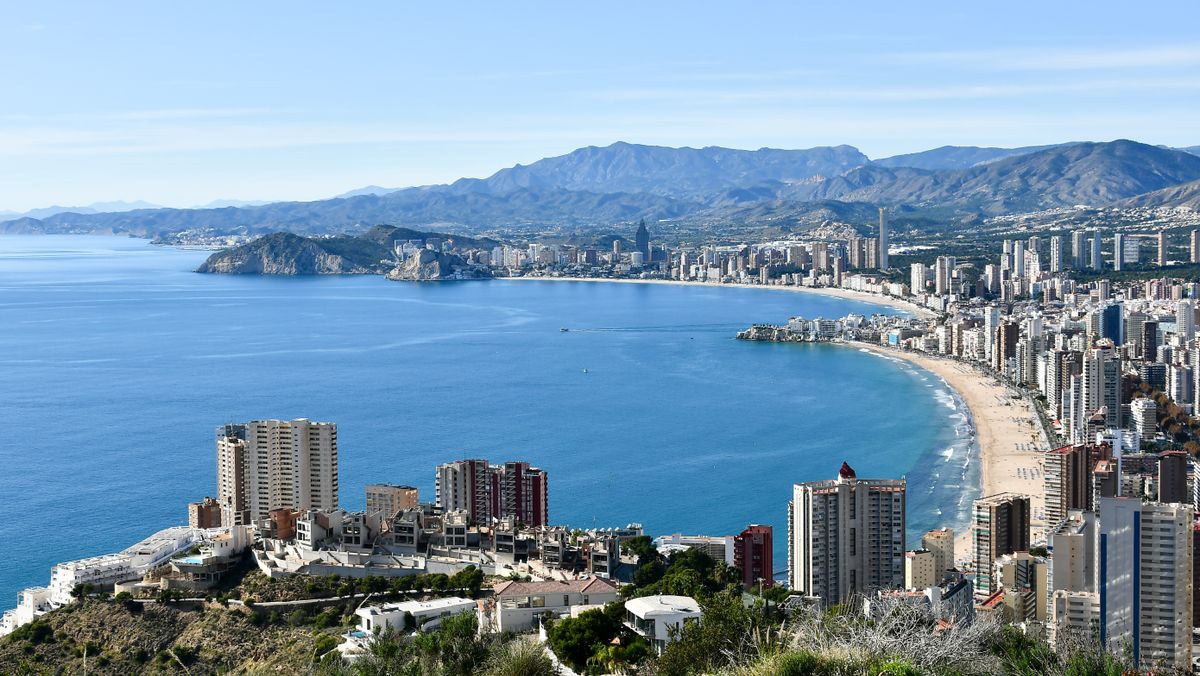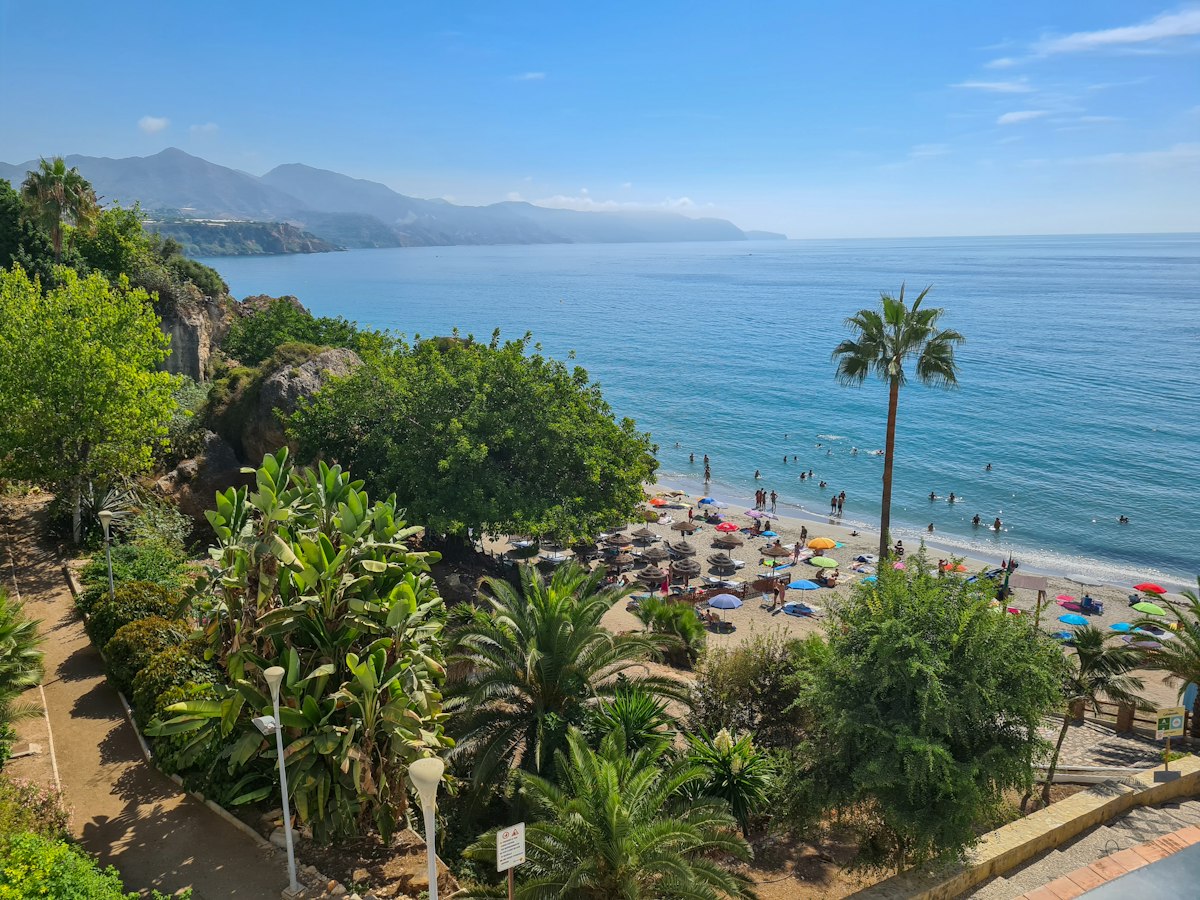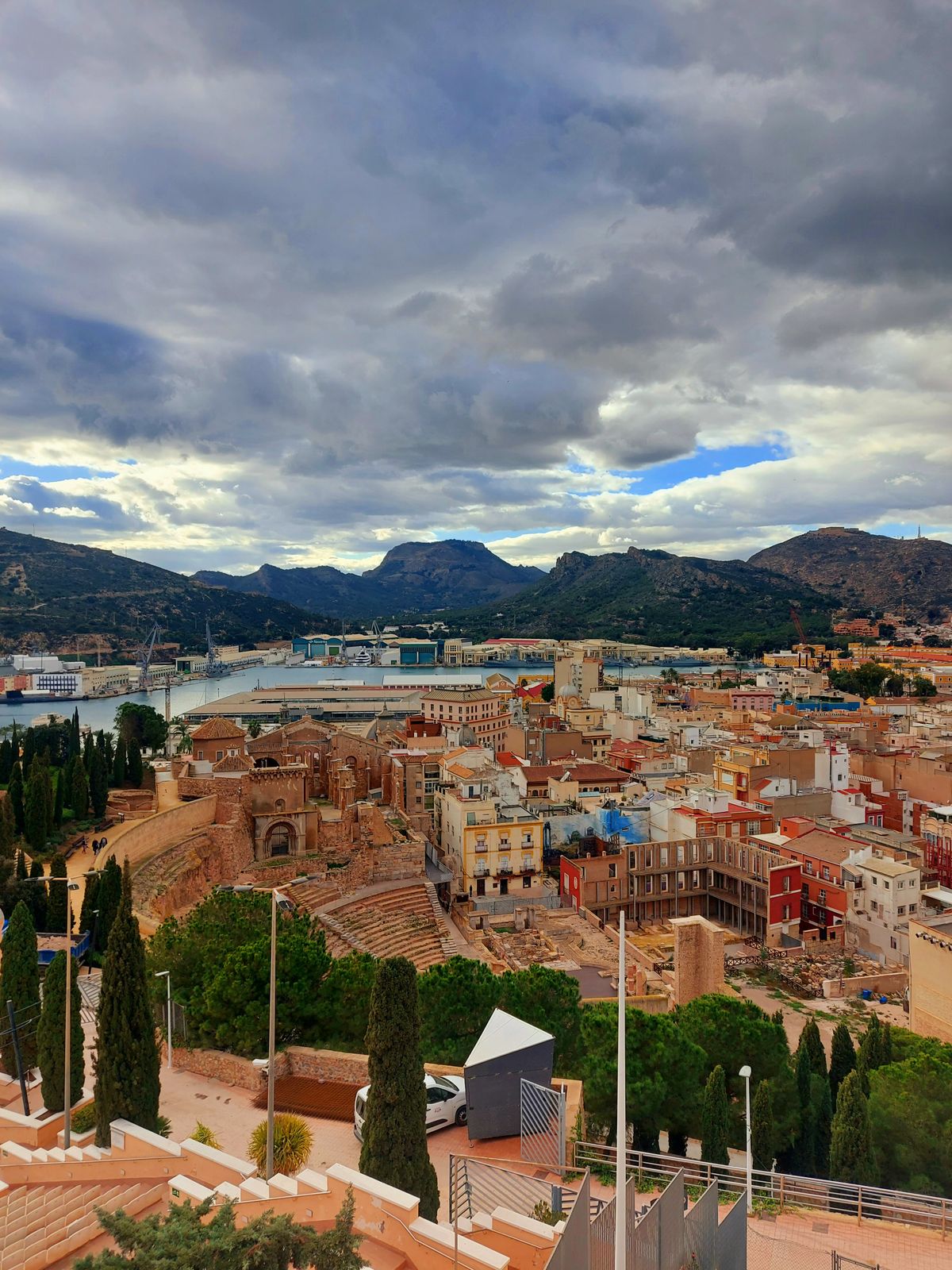
Marbella. The name carries weight that no other Spanish coastal town quite matches — a compound of genuine glamour, decades of celebrity mythology, and a property market that sits at the expensive end of everything the Costa del Sol offers.
If you've arrived here because you searched "Marbella property for sale," you probably already know the reputation. What you need to know is whether it's worth it for you specifically — and that depends entirely on your budget, your purpose, and your willingness to be honest about what you're actually buying versus what the lifestyle marketing is selling.
This guide cuts through it.
Is Marbella a Good Place to Buy Property?
Yes — with conditions attached.
Marbella has a genuinely strong property market underpinned by real fundamentals: consistent international demand from wealthy buyers across multiple nationalities (British, German, Scandinavian, Arab, Russian), a short-term rental market that produces some of the highest yields on the Costa del Sol, a warm 12-month climate, and proximity to good infrastructure. The Golden Mile is one of Spain's most coveted stretches of residential real estate, and that status doesn't evaporate with market cycles the way speculative markets do.
But Marbella is also a market where you can pay heavily for a postcode. Prices in the prime zones — the Golden Mile, Puerto Banús, the beachside urbanisations — are driven partly by prestige, and prestige inflates cost without necessarily improving the underlying asset. There are buyers who pay a significant premium to tell friends they have a place in Marbella, and there are buyers who identify actual value pockets within the wider municipality and buy intelligently. This guide is for the second group — though it covers what the first group is getting into as well.
Why Marbella Commands a Premium
Three reasons — each legitimate, none of them marketing spin.
1. Geography and microclimate. Marbella sits in a natural bay sheltered by the Sierra Blanca mountains, which act as a windbreak against cold northerly air. The result is one of the mildest winter climates on mainland Europe — average January temperatures around 17°C. That translates to a genuinely longer season than most of the Costa del Sol, more outdoor days, and stronger year-round rental demand. The climate isn't a selling point invented by agents; it's a measurable fact.
2. International buyer depth. Most coastal Spanish property markets are dominated by one or two buyer nationalities — British, German, or Dutch, depending on location. Marbella's buyer base is genuinely diverse: British buyers represent a significant slice, but so do buyers from Saudi Arabia, UAE, Russia, Germany, Scandinavia, and increasingly from the US and Latin America. That breadth creates price floor support. When one buyer group retreats (Brexit-era uncertainty dampened British demand, for instance), others typically fill the gap. It's a more resilient market than most.
3. Infrastructure quality. Marbella has two private hospitals, a cluster of international schools (including German, French, and multiple English-language options), a serious golf infrastructure across the municipality, and a dining and leisure scene that operates at a meaningfully higher level than most Spanish coastal towns. These aren't trivial lifestyle amenities — for buyers planning to spend substantial time in Spain, or to attract high-end rental guests, they represent tangible value.
Property Types and Price Ranges
The Marbella municipality covers a larger area than most buyers realise. When you hear "Marbella," you might picture the Golden Mile — but the municipality stretches from San Pedro de Alcántara in the west to Cabopino in the east, taking in old town Marbella, Puerto Banús, Nueva Andalucía, and a string of beach urbanisations along the way.
Price per square metre varies dramatically across this territory:
| Area | Price per m² (2026) |
| --- | --- |
| Golden Mile (coastal) | €5,000–€12,000 |
| Puerto Banús (apartments) | €4,000–€8,000 |
| Marbella Old Town / Centre | €3,500–€6,000 |
| Nueva Andalucía | €3,000–€6,000 |
| Marbella East (Elviria, Las Chapas) | €2,500–€4,500 |
| San Pedro de Alcántara | €2,500–€4,000 |
- Apartments: The most accessible entry point. Studios and one-beds from €180,000 in San Pedro and Marbella East; two-beds from €280,000 in Nueva Andalucía and Marbella centre; beachside and Golden Mile apartments from €500,000 upward.
- Townhouses: Typically within golf or urbanisation complexes — good middle ground between apartment convenience and villa space. From €350,000 in Nueva Andalucía; significantly more near the coast.
- Villas: Entry-level detached villas from around €600,000 in Nueva Andalucía and San Pedro. Golden Mile villas start at €1,500,000 and reach into eight figures. There is no upper limit.
- New build: A significant pipeline across the Marbella municipality, particularly in Nueva Andalucía and the east side. Off-plan pricing can front-run capital growth, but choose the developer carefully and understand completion risk. See our guide to buying off-plan in Spain.
The Best Areas to Buy
The Golden Mile
The Golden Mile runs between Marbella town centre and Puerto Banús — approximately 6km of coastal road lined with gated communities, luxury hotels, and some of the most expensive private residential property in Spain. Villas here typically sit behind serious security on landscaped plots with sea views, private pools, and asking prices that start at €1,500,000 and routinely exceed €5,000,000 for anything seriously positioned.
This is a trophy market. The buyers are wealthy internationally mobile individuals, often purchasing as a prestige residence rather than a primary home. Rental yields in absolute percentage terms are lower here than elsewhere in Marbella — 4–5% — because the capital values are so high. But the absolute rental income on a well-positioned Golden Mile villa can be extraordinary: €3,000–€8,000 per week in peak summer.
Unless you have a budget north of €1,500,000, the Golden Mile is not your market. It sets the tone for Marbella's international reputation, but it doesn't represent the whole picture.
Marbella Old Town
Marbella Old Town (the casco antiguo) is the historic heart — pedestrian lanes, whitewashed walls, independent restaurants, and the famous Plaza de los Naranjos (Orange Square) that has anchored Marbella's social life for decades. This is genuine Spanish character, not a simulacrum of it.
Apartments here range from €300,000–€600,000 for quality two-bedroom properties. Supply is constrained because the historic centre doesn't grow — which creates a structural floor on pricing. The rental market is strong year-round because visitors want to stay in the centre, and the lifestyle for owner-occupiers is excellent: everything walkable, good restaurants on the doorstep, active street life.
If your budget is around €350,000–€500,000 and you want an apartment that genuinely performs as both a lifestyle purchase and a rental asset, old town Marbella deserves serious attention. It's not the flashy choice, but it's arguably the smartest one at that price point.
Nueva Andalucía
Nueva Andalucía sits in the golf valley immediately behind Puerto Banús — accessed from the N-340 through a series of residential urbanisations clustered around several golf courses (Las Brisas, Aloha, Los Naranjos). It's a more residential, less theatrical environment than the coastal strip.
This is probably the most coherent value proposition in the Marbella municipality for buyers in the €300,000–€700,000 range. Infrastructure is well established — supermarkets, restaurants, schools, medical facilities — and the golf scene creates sustained demand from a specific buyer profile that generates year-round rental interest.
Apartments from €280,000; townhouses from €400,000; villas from €600,000. New build has been active here, and quality varies — inspect carefully and check developer track record before committing off-plan.
Marbella East: Elviria, Las Chapas, Cabopino
The stretch east of Marbella town — taking in Elviria, Las Chapas, and the marina village of Cabopino — is the area that most guides underserve. It's consistently 20–30% cheaper per square metre than equivalent west-side properties, the beaches are excellent (some of the best on the Costa del Sol), and the atmosphere is noticeably calmer.
Apartments from €250,000; villas from €550,000. Rental demand is strong in summer because of the beach quality, though the season is slightly shorter than the more sheltered west side. Cabopino in particular has a devoted following among buyers who want a genuine marina community without Puerto Banús prices.
If you're weighing up the west side versus east side and working with a budget below €500,000, look east seriously before deciding.
San Pedro de Alcántara
San Pedro de Alcántara is west of Marbella centre, between the town and Estepona, and it is consistently underrated in property conversations that focus on glitzy Banús. This is a proper Spanish town — a pedestrian boulevard (the Bulevar), local shops and markets, Spanish families living ordinary lives — with a real beach and substantially lower prices than equivalent Marbella or Banús addresses.
Apartments from €230,000; well-presented two-bedroom apartments from €280,000–€380,000. Family buyers in particular should look here: there are good international schools within reach, daily life is straightforward and affordable, and the character is more settled than tourist-facing parts of the coast.
San Pedro won't win on glamour. It wins on value, livability, and the fact that you're actually living in a functioning community rather than a permanent holiday atmosphere.
What Your Budget Actually Buys
At €300,000
This is a workable Marbella budget — just. Your realistic options are:
- A one-bedroom apartment in Marbella old town or a well-positioned Nueva Andalucía complex
- A two-bedroom apartment in San Pedro de Alcántara or Marbella East
- A studio or very small one-bed in Puerto Banús (not the prime stretch)
Don't let anyone tell you €300,000 doesn't work in Marbella. It works in the right sub-markets. It just doesn't work on the Golden Mile.
At €500,000
This budget opens up meaningfully. Realistic options:
- A good two-bedroom apartment near Marbella centre or a front-line golf position in Nueva Andalucía
- A townhouse in Nueva Andalucía or a Marbella East urbanisation
- An entry-level small villa in San Pedro or the less-prime parts of Nueva Andalucía
- Starting to touch the lower end of the Puerto Banús apartment market
At €800,000+
Above €800,000, the market changes character. You're now competitive for:
- Two and three-bedroom apartments on or near the Golden Mile
- Well-positioned villas in Nueva Andalucía with pool and garden
- Quality properties in Puerto Banús (not front-line, but genuinely positioned)
- Larger villas in Marbella East and San Pedro
Rental Potential and the Golden Visa Angle
Rental demand across the Marbella municipality is strong. The combination of an affluent international visitor market, excellent climate, and a long effective season (April through October, with a meaningful winter rental market from December to March) produces yields that compare favourably with most of the Costa del Sol.
Broad yield expectations by area:
- Golden Mile / Puerto Banús: 4–5% on high-value properties (lower percentage, high absolute income)
- Nueva Andalucía / Marbella Old Town: 5–7%
- Marbella East / San Pedro: 5–7%, with slightly shorter peak season
Be realistic about management costs. Luxury properties require professional management companies, which typically charge 20–25% of rental revenue plus maintenance. For villas specifically, ongoing maintenance (pool, garden, cleaning, guest services) adds meaningfully to operating costs. Factor this in before comparing headline yields to what you'd get from a straightforward investment.
Andalucía's tourist licence regime (the Junta de Andalucía system) is less restrictive than Valencia's, but regulations have tightened and the process requires compliance. Licence applications take time, and some community statutes restrict short-term letting. Verify the specific property's lettability before purchasing if rental income is part of your plan. Our guide to renting out property in Spain covers this in detail.
The Golden Visa angle is real and worth mentioning. Spain's Golden Visa programme grants residency rights to non-EU buyers who invest €500,000 or more in property — debt-free, meaning any mortgage portion doesn't count toward the threshold. For a purchase at that level, you and your immediate family get Spanish residency, which carries with it freedom of movement within the Schengen Area and access to Spain's public services.
The Golden Visa is a genuine demand driver in the Marbella market — particularly for buyers from the Middle East, Russia, and China, for whom Spanish residency carries significant practical value. It also has relevance for post-Brexit UK buyers who want a legal route to spending extended time in Spain without hitting the 90-in-180-days Schengen limit. Our Spain Golden Visa guide covers the eligibility rules, process, and conditions in full.
The Honest Downsides
Marbella is an excellent market for the right buyer. It also has genuine drawbacks that no one selling you a property will volunteer.
Distance from the airport. Marbella is approximately 130km from Málaga airport — that's a drive of 1 hour 15 minutes in normal conditions, and the A-7 coastal road in summer peak season is genuinely difficult. If you're comparing with a property in Fuengirola (35 minutes) or Torremolinos (25 minutes), the time cost of Marbella's location is real. It affects how often you can make the trip, the cost and time of airport runs for rental guests, and the convenience factor for weekend breaks. Factor this honestly into your assessment.
Summer traffic. The A-7 through Marbella in July and August can be slow to the point of being genuinely unpleasant. If you plan to use the property as a primary summer base, you're largely committing to being in the immediate area rather than making day trips along the coast. The AP-7 toll motorway mitigates this somewhat, but it adds cost for every journey.
Management costs. Luxury property ownership in Marbella is not a passive exercise. Professional management for a villa runs 20–25% of rental revenue, community fees on quality developments are higher than elsewhere on the coast, and the expectation of property standards from a high-end rental clientele means ongoing maintenance is not optional. If your yield calculations don't account for this, they're wrong.
The prestige premium. A meaningful portion of what you pay for a Marbella postcode is for the postcode itself. This cuts both ways — it supports pricing in downturns, because aspirational demand has a floor — but it also means you can pay significantly more for the same physical asset than you would in a less famous address. Nueva Andalucía and San Pedro are municipalities of Marbella, and they benefit from its halo. But a beachfront apartment on the Golden Mile priced at three times the equivalent San Pedro property isn't three times the physical space or three times the rental income — part of that multiplier is pure status, and you should price that consciously.
Property taxes and buying costs. As a resale purchase, Andalucía charges 7% ITP (transfer tax) — lower than Valencia's 10%, but still a real number on a €500,000 purchase (€35,000). Legal fees, notary, and registration add roughly 1–2%. First-time Spanish property buyers consistently underestimate total acquisition costs. Read our full buying costs guide for Spain before you have a number in your head.
Who Should Buy in Marbella — and Who's Kidding Themselves
Buy in Marbella if:
- You have a budget of €300,000 or more and are targeting Nueva Andalucía, Marbella East, San Pedro, or the old town — where the money is being spent on actual property rather than a marquee address.
- You're after strong rental yields and can manage a property professionally. The demand is genuine and the season is long. This market rewards landlords who treat it like a business.
- You want Golden Visa eligibility at the €500,000+ level and the Schengen residency access that comes with it.
- You're a serious lifestyle buyer who values the infrastructure — schools, healthcare, golf, year-round dining — and are prepared to pay the honest cost of access to it.
- You're targeting new build from a quality developer in a strong location. Marbella's new-build pipeline has several credible developers, and well-selected off-plan positions in rising sub-markets have produced real capital growth for patient buyers.
- You have a budget under €250,000 and are fixated on having a Marbella address. Your money will buy something better in Estepona, Nerja, or Fuengirola — and you'll avoid feeling stretched from the moment you complete.
- You're expecting passive ownership. Marbella property — particularly anything positioned as a holiday let — requires active management, real maintenance spend, and ongoing engagement. If you want something genuinely low-touch, it's not the right market.
- You're primarily drawn by the name rather than the specifics. If what you're actually buying is the ability to say "we have a place in Marbella," that's a real motivation — just be honest that you're paying a premium for it.
- You're working from a comparison with prices from five or more years ago. The Marbella market has moved significantly since 2020, and 2019 research is actively misleading you. Get current numbers from agents with live listings, not from articles with stale data.
Practical Steps: What You Need to Do
The mechanics of buying Spanish property are the same in Marbella as elsewhere, but the pace and competition at the top end of the market means preparation matters more.
Get your NIE number sorted before you start viewing seriously — it's the tax identification number you need to complete any purchase in Spain, and you cannot proceed without it. If you're considering a mortgage, get an Agreement in Principle before you fall in love with something. Spanish lenders can be slow, and sellers in the Marbella market are not always willing to wait for finance to be arranged. Our guide to Spanish mortgages for non-residents covers what you're entitled to borrow and at what rates.
Budget carefully for total acquisition costs using our buying costs calculator guide. On a €400,000 purchase, expect to add €35,000–€45,000 in taxes and fees before you factor in any refurbishment. This is not Marbella-specific, but it's where buyers regularly underestimate.
For a complete walkthrough of the Spanish buying process — from offer through notary completion — see our buying property in Spain guide.
Final Verdict
Marbella is not overrated as a market — but it is over-marketed as a concept. There is a difference.
The underlying demand drivers are real: climate, infrastructure, buyer depth, rental market strength, Golden Visa eligibility. The market has shown resilience through cycles that tested other Spanish coastal markets. The lifestyle for owners who use the property substantially is genuinely excellent.
But Marbella rewards buyers who do the specific work — who choose Nueva Andalucía over the Golden Mile when their budget is €400,000, who look at Marbella East before reflexively heading west, who buy in the old town rather than a mediocre apartment in a complex with a better postcode. The buyers who get poor results from Marbella are typically the ones who bought the name rather than the property.
Done intelligently, with clear eyes about budget, area, and purpose, Marbella is one of the better property markets in Spain for UK buyers. Done aspirationally rather than analytically, it's a market where you can spend a lot of money for less than you think you're getting.
The Costa del Sol as a whole has strong fundamentals beyond just Marbella. Our Costa del Sol property guide covers the full coast from Estepona to Nerja if you want to see how Marbella fits into the wider picture before committing to a specific search area.
Ready to find your property in Spain?
Browse thousands of verified listings from licensed local agents.
Browse properties →