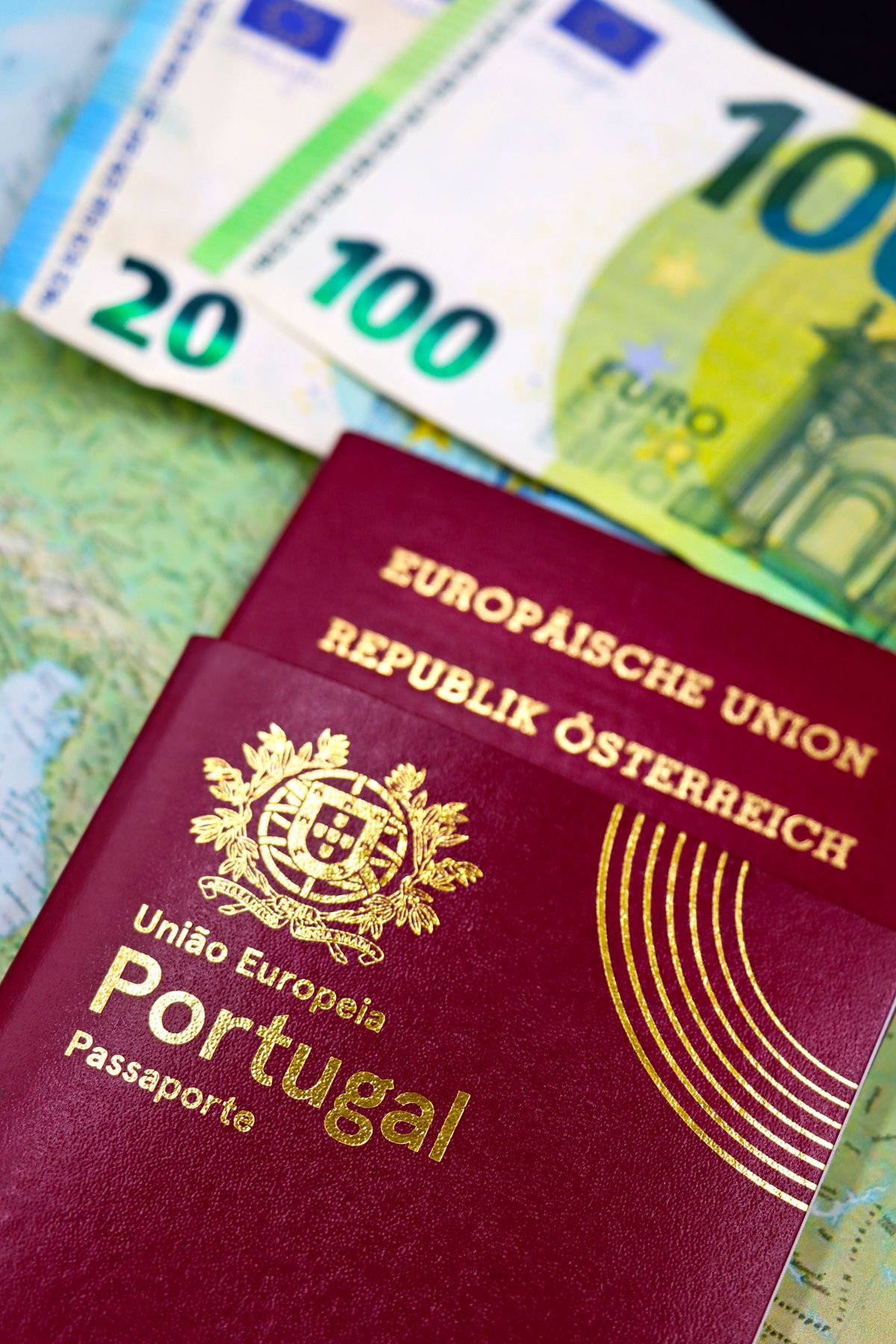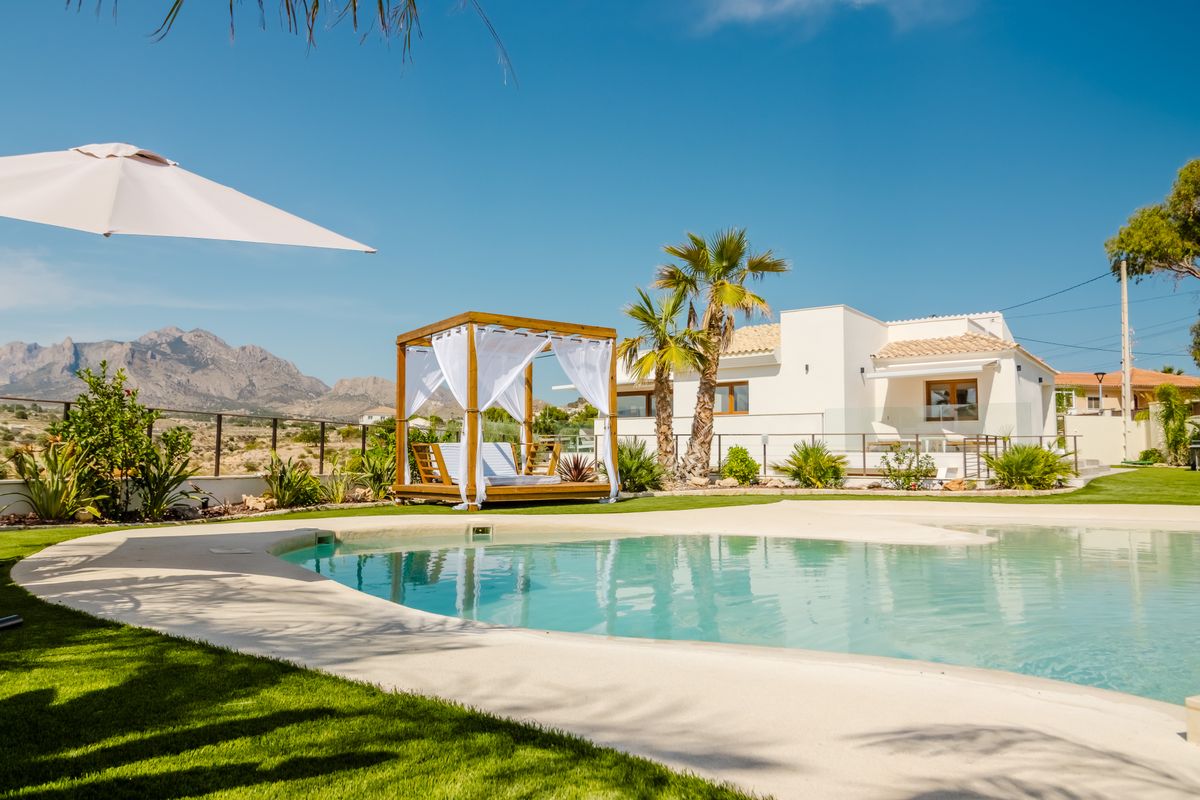
Nobody buys a villa in Spain thinking about their own death. But if you own Spanish property and haven't planned for succession, you're leaving your family a legal and tax problem in a foreign language, on a six-month deadline, in the middle of their grief. It is the single most neglected part of buying property abroad — and, handled early, one of the cheapest to fix.
How does Spanish inheritance tax work on property owned by foreigners? Spain charges Impuesto sobre Sucesiones y Donaciones (ISD) on the beneficiary, not the estate. Any heir inheriting Spanish property pays Spanish inheritance tax regardless of where they live. Rates and allowances vary by region, but most popular regions — including Andalucía, Valenciana, and Murcia — apply bonifications of up to 99% for spouses and children, often reducing the bill to near zero. Heirs have six months from the date of death to file and pay.
If you're still working out the upfront numbers, start with our guide to what buying a property in Spain actually costs. But once you own, succession planning belongs on the same list as insurance and IBI.
The Fundamental Difference: Your Heirs Pay, Not Your Estate
If you're British, unlearn what you know about inheritance tax. In the UK, IHT is charged on the estate before distribution — the executor settles the bill, beneficiaries receive what's left. Spain works the other way round.
Under Spanish ISD, each beneficiary is individually liable for tax on what they receive. Two consequences follow:
- The tax bill depends on who inherits. A spouse or child faces a very different bill from a nephew, an unmarried partner, or a friend.
- Heirs must pay before they can take ownership. The property cannot be registered in a beneficiary's name — or sold — until the tax is settled. Heirs can find themselves needing cash to unlock an asset they can't yet sell.
Who Pays Spanish Inheritance Tax — And On What
The rule is straightforward:
- Non-resident owners: if you own Spanish property, your heirs pay Spanish ISD on that Spanish asset, wherever in the world they live.
- Resident heirs: a beneficiary who is Spanish tax resident pays ISD on their worldwide inheritance, not just the Spanish part.
Beneficiary Groups: Why Relationship Matters So Much
Spanish law sorts beneficiaries into four groups, and the group determines allowances and multipliers:
- Group I: children and descendants under 21
- Group II: children and descendants 21 and over, spouses, parents and ascendants
- Group III: siblings, nieces, nephews, aunts, uncles, in-laws
- Group IV: everyone else — cousins, unmarried partners (in most regions, unless registered as a pareja de hecho), friends
The headline: leave your Spanish property to a spouse or children and the system is generous. Leave it to anyone else and plan carefully. Unmarried partners in particular should take advice — in several regions they are treated as strangers (Group IV) unless formally registered.
Regional Bonifications: Where Near-Zero Is the Norm
Here is where the picture improves dramatically. ISD is devolved to Spain's autonomous communities, and the regions where foreign buyers concentrate compete on generosity:
- Andalucía: a 99% bonification on the tax due for Group I and II beneficiaries, on top of a €1,000,000 allowance per heir. Spouses and children inheriting a typical property pay effectively nothing.
- Comunidad Valenciana: a 99% bonification for spouses, children, and parents, applied to both inheritances and lifetime gifts.
- Región de Murcia: a 99% deduction for Group I and II beneficiaries.
- Madrid, the Balearics, the Canaries and others run similarly generous regimes for close family.
Two caveats. First, regional rules change with regional politics — the 99% figures above are policy, not constitutional guarantees, so review your planning every few years. Second, the bonification is not automatic: heirs must file the ISD return correctly and claim it. An unfiled or late return can forfeit reliefs and add surcharges. Check current regional rules via the Agencia Tributaria or the relevant regional tax agency.
The EU Succession Regulation: Choosing Whose Law Applies
Tax is only half the problem. The other half is who inherits at all.
Spanish default succession law imposes forced heirship (legítima): a fixed share of the estate must pass to children, restricting your freedom to, say, leave everything to your spouse. Many British owners find this alarming — English law lets you leave your assets to whomever you choose.
The fix exists and is well established. Under EU Succession Regulation 650/2012 (Brussels IV), which Spain applies, the default is that the law of your habitual residence governs your estate — but you can expressly elect the law of your nationality in your will. A British national can state that English law (or Scottish law) governs their succession, sidestepping Spanish forced heirship entirely. Dutch, German, and Scandinavian nationals can make the equivalent election.
Note what the regulation does not do: it determines which succession law applies, not which tax applies. Your heirs still pay Spanish ISD on Spanish property. The election governs distribution, not taxation.
What Happens Without a Spanish Will
You can inherit Spanish property under a foreign will, or under intestacy — but the process becomes slower, more expensive, and more fragile:
- The foreign will (or grant of probate) must be translated, apostilled, and validated for use in Spain, often alongside certificates from home-country lawyers confirming its effect.
- If there's no will at all, a declaration of heirs (declaración de herederos) must be obtained before a Spanish notary — more time, more cost.
- All of this happens against the six-month tax deadline, which does not pause while your family untangles paperwork.
The Fix: A Spanish Will Covering Your Spanish Assets
The solution is disproportionately cheap relative to the problem it solves. A Spanish will (testamento) covering only your Spanish assets:
- Is signed before a Spanish notary and automatically registered in the Central Wills Registry (Registro General de Actos de Última Voluntad) under the Ministry of Justice — it cannot be lost
- Costs roughly €50–€150 in notary fees (a lawyer drafting and advising alongside adds a few hundred euros more)
- Lets your heirs proceed directly, without translating and validating foreign probate documents
- Is the natural place to make your election of national law under Regulation 650/2012
Name your beneficiaries clearly, by full name and relationship. Ambiguity that would be resolved cheaply at home becomes expensive in a cross-border estate.
Timelines and Payment: The Six-Month Clock
Heirs have six months from the date of death to file the ISD return and pay. Key practical points:
- A six-month extension can be requested, but only within the first five months, and interest accrues on the extended period.
- Late filing without an extension triggers surcharges and interest, and can jeopardise regional bonifications.
- Payment deferrals and instalment plans exist where heirs lack liquidity, but must be applied for — they are not automatic.
- Even where the 99% bonification reduces the bill to almost nothing, the return must still be filed and the notarial inheritance deed signed before the property can be registered in the heirs' names.
Double Taxation: The UK and EU Angle
Spanish property owned by a UK-domiciled individual falls within their estate for UK inheritance tax as well as attracting Spanish ISD for the heirs. There is no comprehensive UK–Spain inheritance tax treaty, but unilateral relief applies: HMRC generally credits Spanish tax paid against the UK IHT attributable to the same asset, so the asset isn't fully taxed twice. Where the regional bonification takes Spanish ISD to near zero, the practical exposure is simply UK IHT as normal.
German, Dutch, and Scandinavian owners face their own home-country estate or inheritance regimes with varying credit mechanisms — Sweden and Norway have abolished inheritance tax altogether, which makes the Spanish position the only one to plan for. Whatever your nationality, have one adviser look at both sides of the border together. Piecemeal advice is where cross-border estates go wrong.
Your Succession Planning Checklist
- Make a Spanish will covering Spanish assets, with an express election of your national law
- Confirm your home-country will doesn't conflict with or revoke it
- Check your region's current bonifications and how your intended beneficiaries are classified
- Registered partnership: if you're an unmarried couple, investigate pareja de hecho registration or marriage — the tax difference can be enormous
- Consider ownership structure at purchase: buying in joint names, or with children on the title, changes what passes on death — decide this before you sign, not after
- Tell your heirs where the documents are and which Spanish lawyer to call
- Review every few years — regional rules move with regional elections
Frequently Asked Questions About Spanish Inheritance Tax on Property
Do my heirs pay Spanish inheritance tax if none of us live in Spain? Yes. Spanish ISD applies to Spanish-situated assets regardless of where the deceased or the heirs live. Non-resident heirs are entitled to the same regional allowances and bonifications as residents.
How much will my spouse and children actually pay? In Andalucía, Valenciana, Murcia, and most other popular regions, spouses and children benefit from bonifications of up to 99% — the effective bill on a typical property is close to zero. They must still file the return within six months to claim it.
Can I avoid Spanish forced heirship as a British owner? Yes. Under EU Regulation 650/2012 you can elect English (or Scottish) law to govern your succession by stating so in your will. This restores full testamentary freedom over your Spanish property. It does not change the tax position.
Do I need a Spanish will if I already have a UK will? Strictly no, but practically yes. A Spanish will covering your Spanish assets costs €50–€150, is centrally registered, and saves your heirs months of translation, apostille, and validation work against a six-month tax deadline.
What if my heirs can't pay the tax within six months? They can request an extension (within the first five months, with interest) or apply for deferral or instalments. What they cannot do is ignore it — the property cannot be registered or sold until ISD is settled, and late filing risks losing regional reliefs.
Is Spanish inheritance tax also charged on lifetime gifts? Yes — the same tax (ISD) covers donations. Gifting the property to children during your lifetime is a planning option in regions with donation bonifications, but it triggers other taxes (including plusvalía municipal and potential capital gains). Take advice before gifting.
---
Planning starts before you buy. Browse properties on Voya → and get the ownership structure right from day one.
---
*This guide is for informational purposes only and is not legal or tax advice. Inheritance tax rules vary by region and change frequently. Always take advice from a qualified Spanish lawyer and a cross-border tax specialist.*
Ready to find your property in Spain?
Browse thousands of verified listings from licensed local agents.
Browse properties →