Dental care is one of those things nobody thinks about until they need it — and if you're moving to Spain, or even just visiting, it pays to know what to expect before you're sitting in a waiting room with a sore tooth and no idea how the system works.
The good news: Spain has a strong dental profession, modern clinics, and prices that make British dentistry look like a luxury service. The slightly less good news: the public health system covers very little when it comes to teeth. Read on for everything you need to know.
Is Dental Care Free in Spain?
Technically, adult dental care is part of Spain's Sistema Nacional de Salud (SNS) — but in practice, the coverage is extremely limited. Registered adults are entitled to emergency extractions and urgent treatment for pain or infection. That's about it.
Basic preventive and restorative dentistry — fillings, crowns, root canals, implants — is not covered for adults under the public system. You pay for these privately, whether you're a Spanish national, a registered expat, or a visitor.
Children under 15 receive slightly more generous coverage: basic examinations and some treatments are available through the SNS. But even for children, anything beyond the basics will typically require a private clinic.
The upshot is that most people living in Spain — locals included — use private dental clinics as a matter of course. This is not the exception; it is simply how dental care works here.
How Much Does a Dentist Cost in Spain?
This is where things get genuinely encouraging. Private dental care in Spain is substantially cheaper than in the UK, typically 40–70% less for most common treatments. Spanish dental clinics aren't cutting corners to achieve this — lower operating costs, different wage structures, and a more competitive market all play a role.
Here's a straightforward comparison of typical prices:
| Treatment | Spain | UK |
| ----------- | ------- | ----- |
| Check-up and clean | €50–€100 | £80–£150 |
| Filling | €60–€150 | £100–£250 |
| Root canal | €300–€500 | £500–£1,000 |
| Crown | €350–€600 | £600–£1,200 |
| Single implant (incl. crown) | €800–€1,500 | £1,500–£3,000 |
| Teeth whitening | €200–€400 | £400–£800 |
| Full set of veneers (10–12) | €3,000–€5,000 | £8,000–£15,000 |
Is the Quality Good?
Yes — and this is the question worth addressing directly, because some people assume cheaper automatically means worse.
Spanish dentists complete a five-year undergraduate degree from an accredited Spanish dental faculty, followed by national licensing. EU qualification standards apply, and ongoing professional development is the norm. Many dentists in tourist areas and larger cities have completed additional postgraduate training in implantology, orthodontics, or cosmetic dentistry.
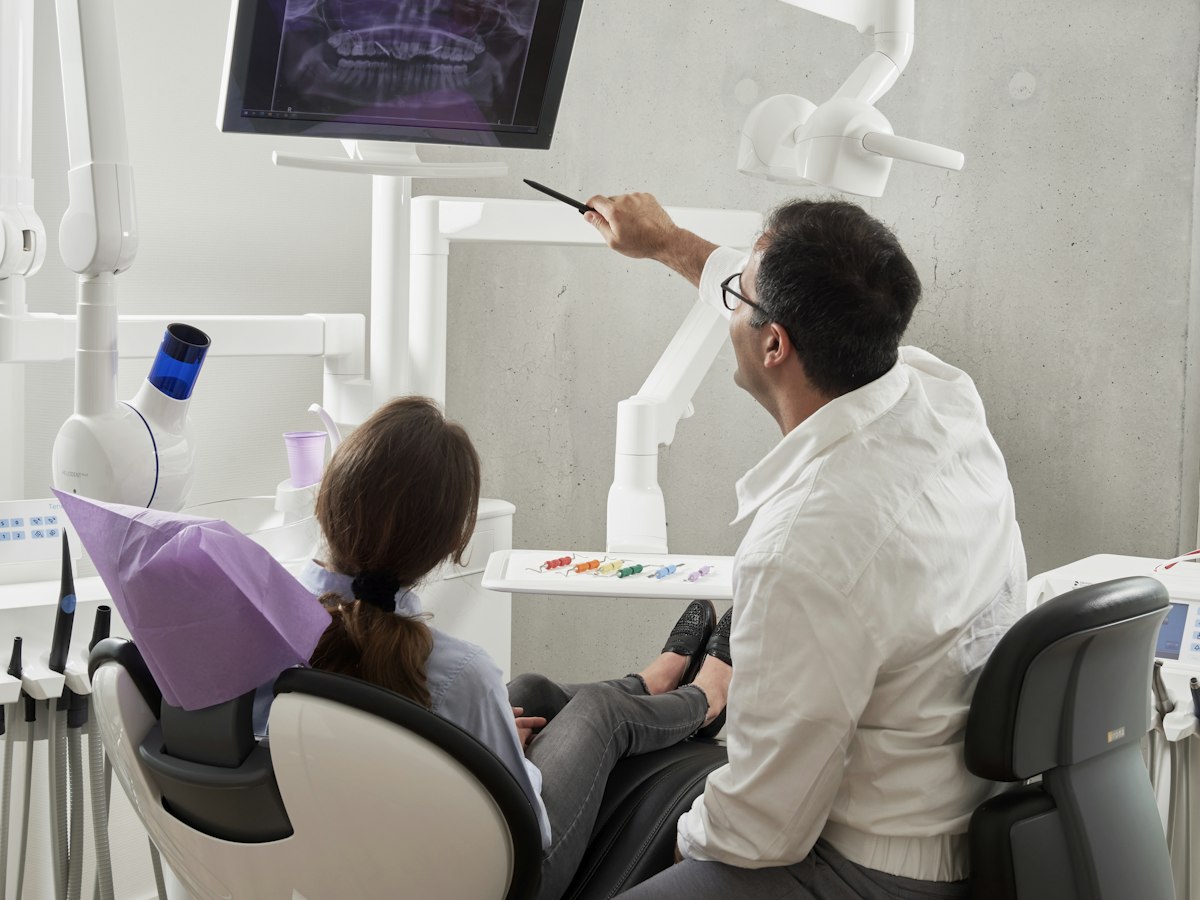
The equipment in established Spanish clinics is modern. Digital X-rays, 3D imaging for implant planning, and CAD/CAM crown technology are all commonplace in clinics that aren't just scraping by. Spain has a large domestic dental market and a well-developed dental tourism industry — both drive investment in facilities.
Where you should exercise caution is the same as anywhere: very low-cost clinics offering implants at suspiciously cheap prices, particularly in high-tourist areas. Get a written treatment plan, ask about the implant brand being used, and don't be afraid to get a second opinion on any significant work.
Dental Insurance in Spain
Private dental insurance is widely available in Spain and reasonably priced. Monthly premiums typically run from €10–€30 per person, depending on coverage level, your age, and the insurer.
The main providers include Sanitas, DKV, Adeslas, and Asisa — all large, reputable Spanish health insurers with established dental networks. Most policies cover annual check-ups, X-rays, and a proportion of the cost of routine treatments such as fillings and extractions.
What dental insurance in Spain generally does not cover: implants, major orthodontic work, and cosmetic treatments. For these, you're paying out of pocket regardless. But for people who want to budget predictably for regular dental maintenance, an insurance policy makes sense — particularly if you have a family.
If you're also considering private health insurance for general medical cover, check whether dental is bundled in or available as an add-on. Sanitas, for instance, offers combined health and dental packages that can represent good value.
Finding an English-Speaking Dentist
Language is a genuine practical concern. Your Spanish dentist explaining a treatment plan in rapid Castilian while you're reclined with a mouthful of equipment is not an ideal scenario.
The good news is that English-speaking dentists are not hard to find, particularly in coastal areas with significant expat populations. Here's how to locate one:
Doctoralia is the Spanish equivalent of patient rating platforms like Trustpilot for healthcare. You can filter by location and specialty, read patient reviews, and book online. Many listings indicate languages spoken.
Expat Facebook groups — whether for Costa Blanca, Costa del Sol, Murcia, or wherever you're based — are an underused resource. Ask for a recommendation and you'll have five responses within an hour, with personal experience attached.
Word of mouth in your local expat community remains the most reliable way to find a dentist you can trust.
Dental chains with English-speaking staff: DentalMediterranea operates across the Mediterranean coast and is well known in the expat community. Clínica Baviera (primarily ophthalmology but with some dental services) also has multilingual staff in major clinics. Larger chains in any city tend to have at least one English-speaking dentist on staff.
Dental Tourism: Worth the Trip?
Spain has become one of Europe's most popular destinations for dental tourism, and for good reason. The maths are hard to argue with.
Consider someone needing a full smile makeover — say, 10 porcelain veneers. In the UK, that's likely £8,000–£15,000. In Spain, the same work from a well-regarded clinic might cost €3,000–€5,000. Even after flights, a week's accommodation, and any follow-up costs, the savings are substantial.
More commonly, people combine an existing Spain holiday with dental treatment they've been putting off. A root canal and crown that might cost £1,500–£1,800 in the UK can be done in Spain for around €600–€900, leaving money for a decent dinner and a flight upgrade.
For implants specifically, the numbers are particularly compelling. A single implant in Spain typically costs €800–€1,500 all-in (implant, abutment, and crown). In the UK, the same procedure routinely costs £2,000–£3,000 or more. Two or three implants on a dedicated dental trip to the Costa Blanca or Costa del Sol can save several thousand pounds.
The main practical consideration for dental tourists is timing. Most significant work — implants in particular — requires multiple appointments spaced weeks or months apart for healing. Either plan a longer stay, or be prepared for a return visit. Some clinics catering specifically to dental tourists have developed protocols that front-load as much work as possible into a single visit.
Emergency Dental Care in Spain
Dental emergencies don't wait for convenient moments. If you're in Spain and you have a dental crisis — acute pain, a broken tooth, a lost filling — here's what to do.
Most towns of any size have private emergency dental clinics (*urgencias dentales*) that accept walk-ins and operate extended hours. These are your first port of call. They are straightforward to find by searching "urgencias dentales" plus your town name.
In tourist areas, private dental clinics are often set up specifically for walk-in emergency treatment during holiday periods.
Hospital A&E departments (*urgencias hospitalarias*) will generally treat genuine dental emergencies — severe infection, dental abscess with systemic symptoms, facial trauma — but they'll handle the medical side rather than the restorative work. For a standard emergency crown repair or emergency extraction, a private *urgencias dentales* clinic is a faster and more practical option.
If you have travel insurance or private health insurance, check your policy before paying — emergency dental treatment is often covered, at least partially.
Children's Dental Care
Parents moving to Spain with children will find that the public health system is more generous with under-15s than with adults. Basic dental examinations, preventive treatments, and some restorative work are available through the SNS for children.
That said, Spanish parents routinely use private dentists for their children too, because private clinics offer shorter waiting times, more modern facilities, and a more child-friendly environment. Prices for children's dental care at private clinics are in line with adult pricing — check-ups from around €50, fillings from €60 — which remains significantly cheaper than the UK.
Before You Move: A Pre-Departure Checklist
If you're planning a move to Spain and you're mid-treatment with a UK dentist, finish that treatment before you leave. Transferring part-way through a course of treatment — particularly anything involving root canals, orthodontics, or multi-stage implant work — creates unnecessary complications and can leave you in limbo.
Before departing:
- Book a comprehensive check-up and ask your dentist to flag anything that will need attention in the next one to two years
- Complete any treatment that's already in progress
- Request your dental records and X-rays — many Spanish dentists will accept digital copies
- If you're planning significant cosmetic or restorative work, compare UK quotes with Spanish prices before committing — you may be better off waiting and having the work done in Spain
Frequently Asked Questions
Is dental care free in Spain? For adults, almost no routine dental care is free under the public system — only emergency extractions and urgent treatment. Children under 15 receive limited free treatment. For anything beyond this, you'll use a private clinic.
How much does a dentist cost in Spain? A check-up and clean typically costs €50–€100. Fillings are €60–€150. Major work such as implants runs €800–€1,500 per tooth. Across the board, expect to pay 40–70% less than you would in the UK.
Can I get dental treatment in Spain as a tourist? Yes. Private dental clinics in Spain are open to anyone. You don't need residency, an NIE, or health insurance. You book, you attend, you pay. Many clinics in coastal tourist areas are set up specifically to treat visitors.
Is dental care cheaper in Spain than the UK? Consistently, yes — across virtually every treatment type. The savings are most dramatic on high-value work such as implants, veneers, and full mouth reconstructions, but even routine check-ups and fillings cost significantly less than their UK equivalents.
---
Dental care is one of those practical considerations that people moving to Spain rarely think about until they're settled — and then discover, pleasantly, that it's one of the areas where Spain genuinely outperforms the UK. Modern clinics, qualified professionals, English-speaking staff in most expat areas, and prices that make a trip to the dentist feel almost reasonable. It's not a bad situation to find yourself in.
Ready to find your property in Spain?
Browse thousands of verified listings from licensed local agents.
Browse properties →