There are places in Spain where the sun always shines, the pools are heated, and the biggest dilemma is which beach bar to choose. Tarifa is not one of those places.
Spain's southernmost town sits at the very tip of the Iberian Peninsula, where the Atlantic meets the Mediterranean and the winds that funnel through the Strait of Gibraltar have been shaping everything — the landscape, the architecture, the people, the culture — for centuries. On a clear day you can see the Rif Mountains of Morocco rising from the sea just 14 kilometres away. On a windy day, which is most days, you may not be able to see your own hand in front of your face.
Tarifa is one of the most compelling, uncompromising, and quietly addictive places in Europe. It is also, emphatically, not for everyone — and that is precisely its appeal to the people who love it.
Where Is Tarifa and What Makes It Different?
Tarifa sits at the southern tip of Cádiz province, on the Costa de la Luz — Spain's Atlantic coast below the Portuguese border — roughly 100km south-west of Málaga. The town itself has a population of around 18,000 people. The surrounding municipality is much larger, taking in wild hillsides, cork oak forests, and a stretch of Atlantic coastline that remains almost entirely undeveloped.
What makes Tarifa unlike any other place in Spain is the wind. The Strait of Gibraltar acts as a natural funnel between the Atlantic and the Mediterranean, channelling air that hits Tarifa with a consistency and force found nowhere else on the continent. The Levante — the easterly — blows hot and strong in summer, a dry blast from the African interior that can sustain gusts above 70km/h for days at a stretch. The Poniente — the westerly — comes off the Atlantic and is stronger in the shoulder seasons and winter. Between the two of them, Tarifa gets more than 300 days of wind per year.
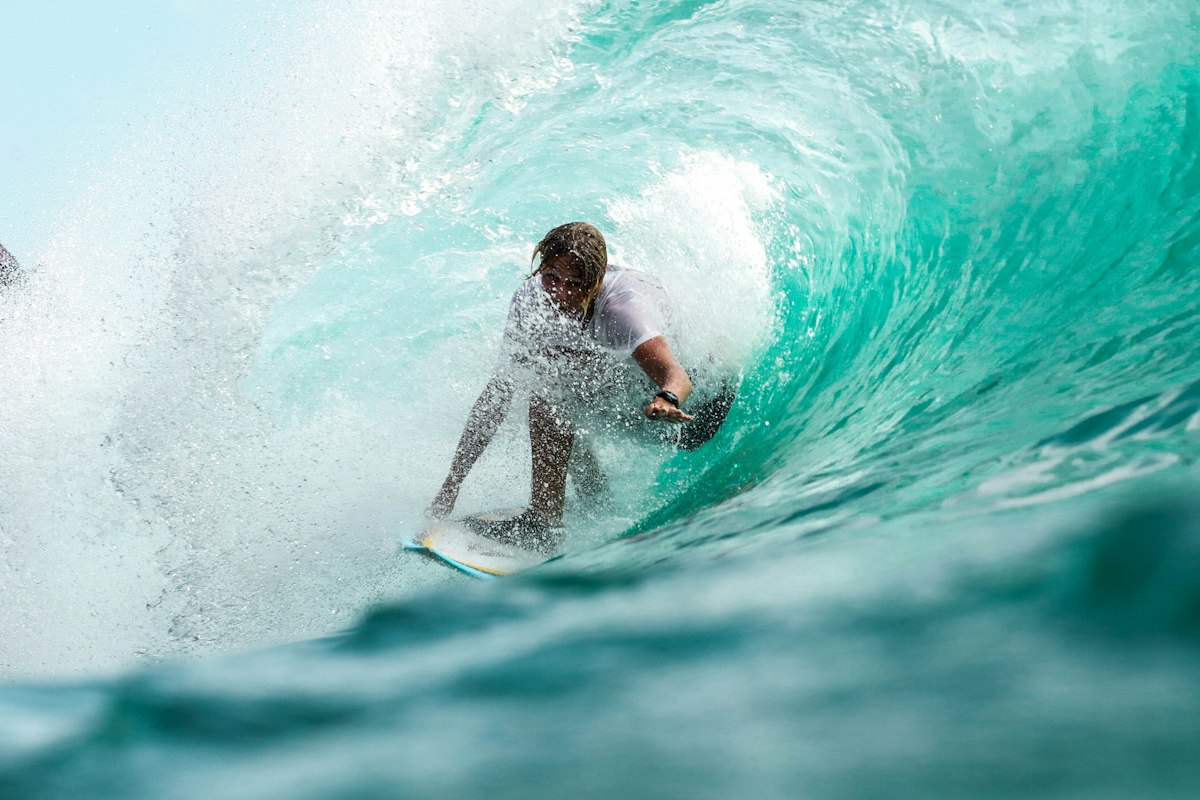
For the global kite-surfing and windsurfing community, this is paradise. For everyone else, it is an acquired taste that either becomes an obsession or sends you straight back to the Costa del Sol. There is no neutral position on Tarifa.
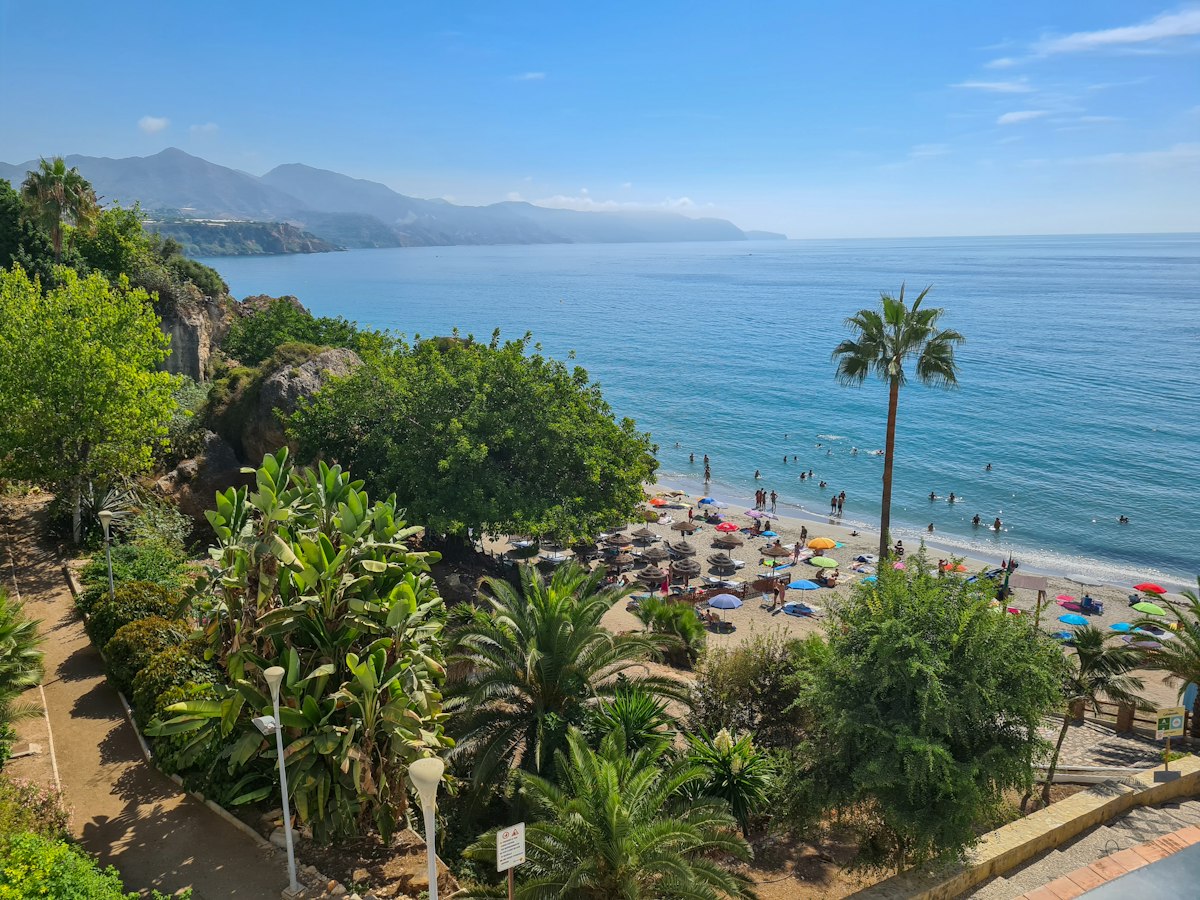
The beaches themselves — Los Lances, Bolonia, Valdevaqueros — are genuinely spectacular: long, wild, pale Atlantic sand backed by dunes and nature reserves, without a high-rise in sight. In terms of pure natural beauty, they are among the finest in Europe. But swimming serenely in a turquoise cove while a cocktail is delivered to your sun lounger? That is not the Tarifa experience. The Tarifa experience involves your hair in a permanent knot and sand in places you didn't think sand could reach.
That said: you cannot overstate how beautiful this place is.
The Culture: Free-Spirited, International, Quietly Serious
The permanent community in Tarifa has been shaped by the wind just as much as the landscape has. People who stay are self-selecting: active, independent, comfortable with wildness. The town has a significant international population — Germans, Dutch, Americans, French — drawn initially by the water sports and then by the quality of life. What it doesn't have is the large British expat community found elsewhere on the Spanish coast. This is not a place for a Wetherspoons and a weekly quiz night. It's a place for yoga at dawn, a surf lesson at nine, and a long lunch at a table that might be blown into the next province.
The town has an organic, handmade quality that is worth defending. There are independent shops, genuinely good restaurants, a lively old town that functions as an actual neighbourhood rather than a tourist set, and a sense that the people here have made a considered choice. Tarifa attracts artists, digital nomads, healers, professional athletes, and people who have looked at conventional Spanish coastal life and quietly declined.
It also attracts people who take the 35-minute ferry to Tangier on a Tuesday for lunch and think nothing of it.
Key Areas for Property Buyers
Tarifa Old Town
The historic walled town — partly designated as a UNESCO heritage site — is the heart of the place. Narrow whitewashed streets, Moorish arches, bougainvillea, the Castle of Guzmán el Bueno looming above it all. Stock here is almost exclusively apartments and small townhouses. There are no grand villas in the old town; the streets are too narrow and the buildings too historic. What you get instead is character and location in abundance.
Prices for old town apartments typically range from €120,000–€280,000, with one-bedroom flats at the lower end and larger, renovated units with rooftop terraces at the upper end. Two-bedroom townhouses run from around €180,000 to €380,000. Anything with a proper terrace, a sea view, or architectural distinction commands a significant premium.
Planning controls here are strict. The UNESCO heritage status and local protections mean that renovations require permissions, materials are sometimes specified, and structural alterations can be complex. Work with a local architect who knows the municipal planning office — and budget time as well as money for approvals.
Los Lances Beach Area
The ten-kilometre stretch of Los Lances beach runs north of town, backed by a lagoon nature reserve (the Laguna de la Janda and surrounding wetlands) that effectively prevents significant development. This is a material point: the protected status of the coastline around Tarifa is one of the main reasons it looks the way it does. There will not be a Tarifa version of Torremolinos. The development that exists — a modest collection of apartments and a handful of hotels — was largely built before the protections were strengthened.
Beach-area apartments here run from approximately €180,000 to €350,000 for a two-bedroom unit, depending on condition and proximity to the shore. Inventory is thin; turnover is slow. When something good comes up, it tends to move.
Valdevaqueros
The wilder beach further north, Valdevaqueros is the spiritual home of the kite-surfing scene. The beach itself is more exposed and more dramatic than Los Lances. The property market here is limited — a handful of holiday complexes and rural properties on the fringes of the nature reserve — but it is the address that every serious kiter has in mind.
Rural Hinterland: Cortijos and Country Houses
The hills and valleys behind Tarifa — cork oak hillsides, valley farmland, views across to Morocco on clear days — contain the most extraordinary properties in the area: Andalusian cortijos, converted farmhouses, and rural estates with genuine land. This is the segment that draws buyers who want space, silence, and the elemental landscape without the wind-tunnel intensity of the beachfront.
Prices vary enormously with condition, land size, and access. Entry-level rural properties needing work start from around €200,000. A well-renovated cortijo with a few hectares, a pool, and reliable water runs €350,000–€500,000. The finest estates with substantial land, guest accommodation, and full renovation can reach €600,000 and beyond.
Rural properties in Andalucía come with legal complexity — check building legality (the AFO regularisation process), land classification, water rights, and road access — but the segment rewards buyers who do the work properly. Our rural property guide and due diligence guide are essential reading before you start.
The Wind: An Honest Conversation
Let's be direct. The Tarifa wind is not a minor quirk mentioned in paragraph seven of a property brochure. It is the defining characteristic of the place and the first thing any serious buyer must reckon with.
Summer (July–September): The Levante dominates. Hot, dry, relentless — it blows for days without break, creating the world-class kiting conditions that put Tarifa on the global map. Summer here is for people who want to be in the water or on the water. If your plan is to lie on a sunlounger reading a novel, you will be miserable. The sand moves horizontally.
Spring and Autumn: The most beautiful time of year. Temperatures are warm, the wind is more intermittent, and the light is extraordinary. This is when the non-kiting community loves Tarifa best.
Winter: The Poniente takes over, wetter and gustier. The beach is wild and deserted. The old town is quiet and completely its own self. Many buyers — particularly those who escaped northern Europe — find Tarifa's winter weeks deeply peaceful. Others find them isolating.
The wind is why Tarifa's property market has a completely different buyer profile from any other coastal town in Spain. It is not a passive sun-and-beach market. It is an active, weather-involved, deliberate choice. The buyers who thrive here are the ones who understand that from the start.
Getting To (and From) Tarifa
Remoteness is one of the honest downsides of buying here. Tarifa is not close to a major airport.
- Gibraltar Airport: approximately 45km via La Línea de la Concepción. British Airways and EasyJet fly direct from the UK; useful but flight frequency is limited.
- Jerez Airport: approximately 100km. Ryanair routes make this viable for regular travel.
- Málaga Airport: approximately 150km — around 1 hour 45 minutes by road, depending on traffic through Algeciras and the AP-7 motorway.
- Algeciras (20km): the major port city with ferry connections to Ceuta and the Moroccan mainland.
There is also the matter of the ferry to Morocco. Tarifa's port operates fast passenger ferries to Tangier-Med (the port, 14km from the city) in around 35 minutes. For buyers who do business in Morocco, travel regularly between continents, or simply want the extraordinary experience of breakfast in Europe and lunch in Africa, this is not a trivial consideration.
The Rental Market
Tarifa's rental market is seasonal and distinct from every other beach resort in Spain.
Summer is busy — but it's a different summer. The visitors are not package tourists. They are kite-surfers, windsurfers, surfers, yoga retreaters, and people who have actively sought out this place. They tend to stay longer than sun-and-sea holidaymakers, treat properties more carefully, and accept higher nightly rates for quality accommodation. A well-presented two-bedroom apartment with parking, near the beach, in July and August can comfortably generate €1,500–€2,500 per week.
Spring and autumn are increasingly active, as the wind sports and surf community extends the season and the general travel market discovers that Tarifa is extraordinary outside summer.
Winter is genuinely quiet. Unlike the Costa del Sol, which has a solid retiree market sustaining winter occupancy, Tarifa's winter visitors are limited to a dedicated community of wind enthusiasts, long-stay digital nomads, and people who specifically want the off-season solitude.
With active management, owners report gross yields of 4–7% on well-bought properties. The key variables are location (old town or beachfront outperforms), quality of fit-out (the international visitor base is not tolerant of tired interiors), and marketing (Tarifa is not a mainstream Booking.com town — specialist wind-sports and lifestyle platforms perform better). Our renting out property guide covers the legal obligations, including Andalucía's tourist rental licence requirements.
Who Actually Buys in Tarifa?
The buyer profile is one of the most distinctive in Spain:
- Wind sports enthusiasts (kite-surfers, windsurfers, surfers) who have been coming for years and want to stop renting
- Digital nomads and remote workers who want the lifestyle and can work from anywhere with a decent connection
- Yoga and wellness practitioners — Tarifa has a thriving wellness scene that is genuine rather than performative
- German and Dutch buyers — the largest non-Spanish nationalities by a long way; Tarifa has strong cultural links to northern Europe
- Adventurous buyers who want something that isn't the Costa del Sol playbook
- People with Morocco connections — business, travel, or simply a fascination with North Africa
If you're in the second group, that's genuinely fine — Nerja, Moraira, and Marbella are all extraordinary places where you'll be better served. The point is to be honest with yourself about which buyer you are before you fall in love with a whitewashed apartment in the medina.
Is Tarifa a Good Investment?
The investment case for Tarifa is genuine but requires nuance.
In favour: Strong demand from a global, affluent, active-travel market. Very limited supply (the protected coastline guarantees this will not change). A lifestyle destination with genuine scarcity. Slowly growing year-round appeal as digital nomadism normalises. Morocco access as an increasingly valued differentiator.
Against: Small, illiquid market — the buyer pool for resale is narrower than on the Costa del Sol. Remoteness from airports limits both personal use and visitor access. High seasonality requires active management to achieve the top-end yield figures. Wind can be genuinely off-putting for resale buyers who haven't experienced it.
The buyers who do best in Tarifa treat it as a lifestyle-led investment: they buy something they love, use it well, rent it purposefully, and hold for ten-plus years. Buyers looking for a quick-flip or a low-maintenance rental income stream will find other markets in Spain more accommodating.
Buying in Tarifa: Practical Considerations
Budget for purchase costs of 10–12% on top of the purchase price: ITP transfer tax (7% in Andalucía on resale), notary fees, land registry, and legal costs. Our buying costs guide has the full breakdown.
Use an independent lawyer — not one recommended by the estate agent or developer. In the old town and rural hinterland especially, title issues, planning irregularities, and protected-status complications are common enough to make independent legal advice essential.
Non-resident mortgage finance is available but LTVs are typically capped at 60–70% for non-residents. Our Spanish mortgage guide for non-residents covers what to expect from lenders.
Obtain your NIE number early — you cannot complete a purchase without one. See our NIE guide for how to apply.
Frequently Asked Questions
Is Tarifa good for property investment?
For the right buyer, yes. The combination of a globally sought-after lifestyle destination, genuinely limited supply (protected coastline), and a distinctive international visitor base creates a solid foundation. Gross yields of 4–7% are achievable with active management. The investment case is strongest for buyers with a long-term horizon (10+ years) who will also use the property themselves — Tarifa is not an efficient passive income play.
Is Tarifa really as windy as people say?
Yes. Genuinely yes. The town gets over 300 days of wind per year. Summer means the Levante — hot, dry, and relentless. There are days when the wind is powerful enough to make walking on the beach uncomfortable. This is not a selling point being downplayed; it is the central fact of life in Tarifa, and you should visit in July or August before committing to a purchase if you haven't experienced the Levante firsthand.
How far is Tarifa from Málaga?
Approximately 150km, taking around 1 hour 45 minutes by road via the AP-7 motorway and the coastal route through Algeciras. Jerez Airport is closer (around 100km, roughly 1 hour 15 minutes), and Gibraltar Airport is approximately 45km away. Tarifa is genuinely remote — plan your access routes before buying.
Is Tarifa good for kitesurfing beginners?
Paradoxically, yes and no. The conditions that attract elite kiters — strong, consistent wind, large beach — can be overwhelming for beginners. However, Tarifa has an excellent infrastructure of professional schools that run IKO-certified beginner courses. The flat water in the lagoon at Los Lances is ideal for learning. Many of Tarifa's property buyers started their relationship with the town as nervous beginners at one of those schools.
How do I get to Morocco from Tarifa?
Fast passenger ferries run from Tarifa port to Tangier-Med (the port facility, 14km from Tangier city) in approximately 35 minutes. There are multiple daily sailings. It is an extraordinary short crossing — you leave Europe and arrive in Africa in the time it takes to have a coffee. Multiple operators run the route; book in advance in summer.
Ready to find your property in Spain?
Browse thousands of verified listings from licensed local agents.
Browse properties →