Renovation can be one of the smartest moves in the Spanish property market. An unloved village house in Andalucía, a crumbling finca in Murcia, or a dated apartment on the Costa Blanca can sell at 20–40% below what the same property would fetch after a competent refurbishment. Buy right, renovate sensibly, and you end up with a home tailored exactly to your taste for less than the asking price of a turnkey equivalent.
That said, renovation in Spain is not a project to approach casually. Spanish planning law is fragmented — rules differ by municipality, by autonomous community, and by the classification of the land. Bureaucracy moves slowly. And the building trade, like everywhere, ranges from excellent to catastrophic. Understanding the system before you buy is the single most important thing you can do.
Before You Buy: Establish the Planning Status
This is non-negotiable. Before falling in love with a property that needs work, instruct your solicitor to obtain a nota simple from the Land Registry and — critically — a certificate of urban situation (cédula urbanística) from the local town hall (ayuntamiento). This document tells you:
- Whether the property is on suelo urbano (urban land), suelo urbanizable (developable land), or suelo no urbanizable (rural/protected land)
- Whether there are any expedientes de disciplina urbanística (planning infringement files) open against it
- What the permitted uses are and what can legally be built
Do not rely on the seller's assurances. Get your solicitor to verify everything.
Types of Work and the Permits Required
Spanish planning law draws a clear distinction between minor and major works. Getting this wrong — starting major works without the appropriate licence — can result in fines, a halt order, and potentially a demolition order.
Obra Menor (Minor Works)
Minor works cover cosmetic and non-structural changes: repainting, new flooring, replacing kitchen units, replacing bathroom fittings, re-tiling, fitting a new boiler, replacing windows in the same opening, minor electrical or plumbing upgrades. In most municipalities, obra menor requires either no permit at all or a simple comunicación previa (prior notification) to the ayuntamiento — essentially a notification rather than an application.
Fees for comunicación previa are modest: typically €200–€500 depending on the municipality and the scale of work. Processing is usually swift — a few days to a couple of weeks.
This is the category that covers the majority of cosmetic renovations: redecorating a tired apartment, fitting a new kitchen, modernising bathrooms, and refreshing a garden. For buyers who want to improve a liveable property rather than gut it, obra menor is all you need.
Obra Mayor (Major Works)
Major works — anything structural, anything that changes the layout or footprint of the building, adds new rooms, alters the facade, or changes the use of a space — require a full licencia de obras from the ayuntamiento. This is a substantive planning application.
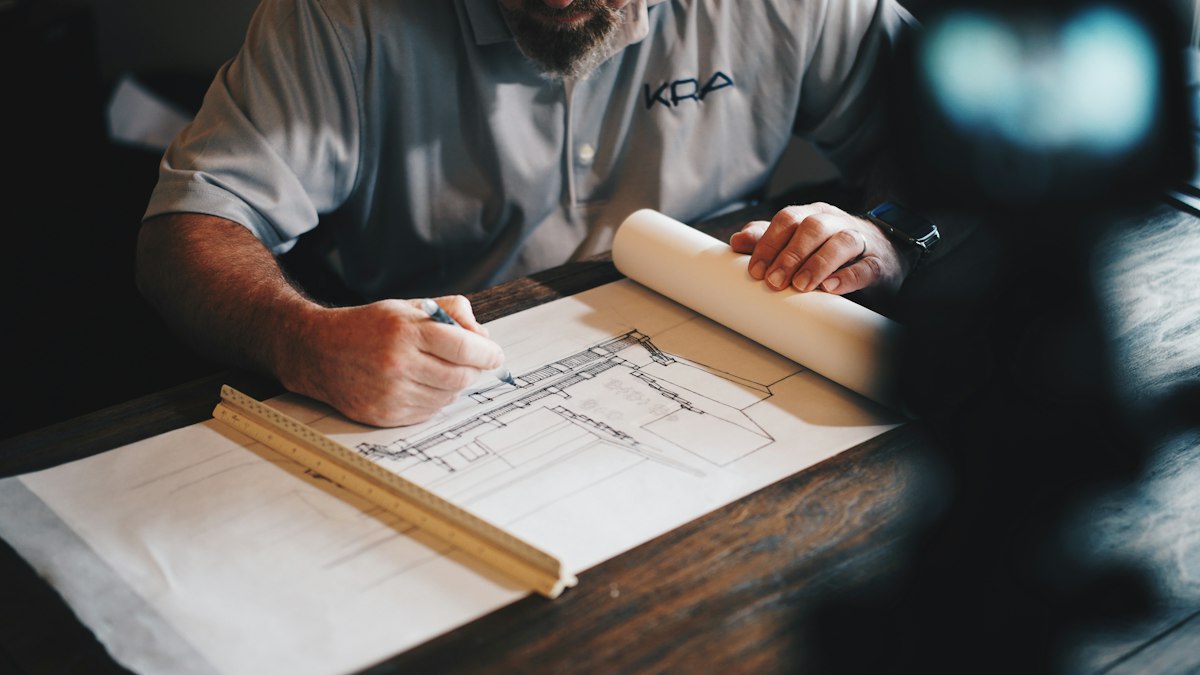
The process requires an arquitecto (architect) to produce a full project — more on professionals below. That project is submitted to the ayuntamiento, which consults its planning team, reviews compliance with local planning rules, and may request amendments before granting the licence.
Timelines are honest: three to six months is a reasonable expectation, and in smaller municipalities with overworked planning departments, it can stretch to nine months or more. You cannot legally start major works before the licence is granted. Factor this into your purchase timeline. If you are buying a property that requires substantial structural work, your solicitor can include a condition in the purchase contract (via the arras or escritura) making completion conditional on planning consent — though sellers will often resist this.
Licencia de primera ocupación (first occupation licence, also called cédula de habitabilidad in some regions) is also essential context. Any property that lacks this licence — often the case with rural properties that have never been formally habitated or that underwent major works without following the process — will struggle to connect to mains utilities and cannot legally be rented out. Obtaining this licence after major renovation requires a signed completion certificate from the architect.
The Professionals You Need
Arquitecto (Architect)
For obra mayor, an architect is not optional — it is a legal requirement. The architect's role is to produce:
- Proyecto básico: the outline design establishing the scope and form of the works, sufficient to obtain the planning licence
- Proyecto de ejecución: the detailed technical project required to commence construction, specifying materials, structural calculations, and execution details
Arquitecto Técnico (Aparejador)
The aparejador is the site supervisor — a qualified building professional who oversees quality on site, certifies that work is carried out in accordance with the project, and signs the certificado de fin de obra (final works certificate) on completion. Some architects provide this service themselves; on larger projects, a separate aparejador is appointed. Their fee is typically 3–5% of the construction budget.
Both the architect and aparejador must hold professional indemnity insurance. Ask to see it.
Contratista (Builder)
Get a minimum of three written quotes from separate contractors. The Spanish building trade includes highly skilled craftsmen and comprehensive rogue traders in roughly equal measure — the quotes alone will tell you a great deal. A quote that is 40% below the other two is not a bargain; it is a warning.
Verify that your builder:
- Is registered as an autónomo or has a registered company (ask for the CIF number)
- Holds public liability insurance (seguro de responsabilidad civil)
- Has a demonstrable track record — visit a completed project if possible, or at minimum ask for references you can actually call
The Renovation Process Step by Step
1. Survey the property: Commission a full structural survey before exchange. A surveyor will identify deficiencies in the roof, damp issues, structural cracks, and the condition of electrics and plumbing. This is your cost baseline. See our separate guide to property surveys in Spain.
2. Appoint an architect: For obra mayor, brief your architect and agree the scope of works. Ensure the design is costed before submission to avoid expensive redesigns.
3. Planning application: The architect submits the project to the ayuntamiento. For obra menor, submit the comunicación previa yourself or via a gestor.
4. Obtain the licence: Allow three to six months. Do not instruct builders or order materials until the licence is in hand.
5. Build: Your architect and aparejador will supervise. Visit the site regularly. Keep a written record of any changes agreed verbally — these should always be formalised as a written variation.
6. Certificado de fin de obra: On completion, the architect certifies that work was carried out in accordance with the approved project. This document is required for the next step.
7. Licencia de primera ocupación / cédula de habitabilidad: Submit the completion certificate to the ayuntamiento to obtain the habitation licence. This enables connection to mains utilities and is required for legal lettings.
8. Update the Catastro: If the works have changed the property's built area or description, your gestor should update the catastro (Spain's property registry) accordingly. Failure to do so can cause problems on future sale.
Cost Estimates: What Renovation in Spain Actually Costs
Spanish renovation costs are materially lower than the UK. Labour costs are roughly 40–60% lower than equivalent UK rates, and materials — particularly tiles, stonework, and traditional Spanish finishes — are competitively priced. These figures are rough guides for 2026 and will vary by region, specification, and contractor:
| Type of Work | Cost Range |
| --- | --- |
| Full gut renovation (structural + cosmetic) | €600–€900 per m² |
| Cosmetic renovation (kitchen, bathrooms, floors, decoration) | €150–€300 per m² |
| Kitchen replacement (units, worktops, appliances) | €6,000–€20,000 |
| Bathroom replacement | €3,000–€10,000 |
| New pool (standard rectangular, 8×4m) | €15,000–€30,000 |
| Roof replacement (traditional clay tiles) | €60–€100 per m² |
| Rewire (average 3-bed villa) | €5,000–€10,000 |
| New plumbing installation | €5,000–€12,000 |
As a worked example: a 120m² village house requiring a complete renovation — new roof, full rewire, new plumbing, new kitchen, two bathrooms, and internal decoration — might cost €80,000–€110,000 in construction costs plus €10,000–€15,000 in professional fees and licences. A comparable turnkey property in the same village would typically cost €60,000–€80,000 more on the purchase price.
VAT on Renovation Work
Renovation work in Spain is subject to IVA (Spanish VAT), but at different rates:
- 10% reduced rate: applies to renovation and repair work on habitual residences (vivienda habitual) where the property is the owner's primary home, the work does not involve a new build element exceeding 25% of the project value, and the property has been in use for at least two years
- 21% standard rate: applies to work on second homes, non-residential properties, and commercial spaces; also applies where the reduced rate conditions are not met
Buying a Wreck to Renovate: The Strategy
Purchasing a dilapidated property — a ruin, a long-empty village house, an uninhabitable finca — is a distinct strategy that requires different financing and a different mindset.
Financing: Spanish banks will not mortgage a property they deem uninhabitable. A property without a valid cédula de habitabilidad, with a seriously defective roof, or without working utilities will typically be refused for a mortgage. Most buyers of wrecks therefore purchase in cash, complete the renovation, and then approach a Spanish bank for a remortgage against the improved value. This requires sufficient capital to cover both the purchase and the full renovation costs — a significant liquidity commitment. Ensure your solicitor explains the timeline before you commit.
Timeline: From purchase to habitable, allow a minimum of 12–18 months for a major renovation project when you factor in the planning application period. For properties on rural land (suelo no urbanizable) where planning constraints are tighter, timelines can extend considerably.
Uplift: The appeal is clear — a ruin purchased for €40,000 and renovated for €80,000 may be worth €160,000–€180,000 on completion in the right location. But the risks are real: unexpected structural costs, planning complications, contractor disputes, and the personal cost of managing a project from another country. Many buyers find that using a local project manager or architect to oversee the build on their behalf is money well spent.
Energy Performance Certificates
A valid certificado de eficiencia energética (EPC) is required whenever a property is sold or rented in Spain. Properties without one cannot legally be marketed. A renovation is the obvious moment to improve the energy rating — insulation, double glazing, a more efficient boiler, and solar panels can all move a property from a low G or F rating to a respectable C or D, which reduces utility bills, increases rental appeal, and will increasingly matter as Spanish energy efficiency regulations tighten.
Your architect should advise on the most cost-effective improvements during the design phase. Retrofitting insulation after completion is always more expensive than including it in the original build.
Avoiding the Common Pitfalls
Never pay in cash without a receipt. Beyond the ethical dimension, cash payments leave you with no evidence of what was agreed and no legal recourse if the work is defective.
Verbal agreements count for nothing. Every variation to the original contract — additional work, changes of specification, revised timescales — should be confirmed in writing by email at minimum.
Do not let the contractor take the permits. In theory this should not happen; in practice, some contractors attempt to take out the licencia de obras in their own name rather than the property owner's. Ensure all planning documentation is in your name.
Check the builder's insurance exists. Ask for a copy of the seguro de responsabilidad civil certificate. A credible builder will produce it without hesitation.
Budget for surprises. On any renovation of a property over 30 years old, add a 15–20% contingency to your build budget. Hidden damp, asbestos (present in some pre-1990s properties), substandard previous work, and structural surprises are not uncommon.
---
Frequently Asked Questions
Do I need planning permission to renovate in Spain?
It depends on the scope of the work. Cosmetic changes — new flooring, painting, replacing kitchen or bathroom fittings — typically require only a simple notification (comunicación previa) to the town hall, or nothing at all. Structural changes, extensions, new rooms, or alterations to the facade require a full licencia de obras from the ayuntamiento.
How long does renovation planning permission take in Spain?
For obra mayor (major works), allow three to six months from submission to approval. In some smaller municipalities with stretched planning departments, it can take nine months or longer. Minor works notifications are typically processed within days or a few weeks.
Is it cheaper to renovate in Spain than the UK?
Yes, significantly. Spanish building labour costs are roughly 40–60% lower than equivalent UK rates, and many materials — particularly tiles, stonework, and traditional finishes — are cheaper. A full renovation that would cost £2,000/m² in the UK might cost €700–€900/m² in Spain at comparable quality.
Can I get a mortgage for a renovation project in Spain?
Spanish banks will not mortgage properties they deem uninhabitable. Dilapidated properties are typically purchased in cash, renovated, and then remortgaged against the completed value. For properties that are liveable but in need of updating, a standard mortgage may be possible — though the bank's surveyor will value on current condition, not projected value post-renovation.
Do I need an architect to renovate in Spain?
For obra mayor (major structural works), an architect is legally required. For obra menor (cosmetic works), you do not. If in doubt, consult a local architect or gestor before starting work — the cost of an initial consultation is trivial compared to the risk of starting unpermitted works.
Can I project manage a Spanish renovation myself?
Technically yes, but doing so from the UK or abroad is difficult. Language barriers, distance, and the need for on-the-ground oversight mean that most foreign buyers either appoint a trusted local architect to act as project manager, or hire a dedicated project manager. Expect to pay 5–10% of the build cost for this service — it is almost always worth it.
Ready to find your property in Spain?
Browse thousands of verified listings from licensed local agents.
Browse properties →