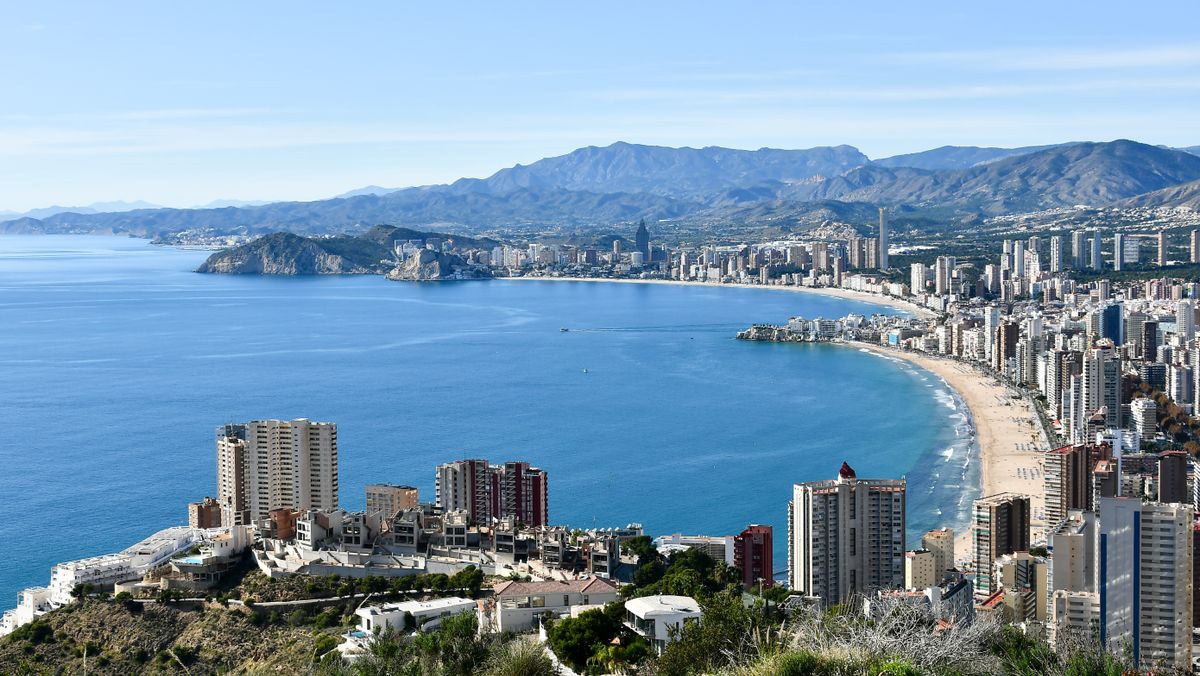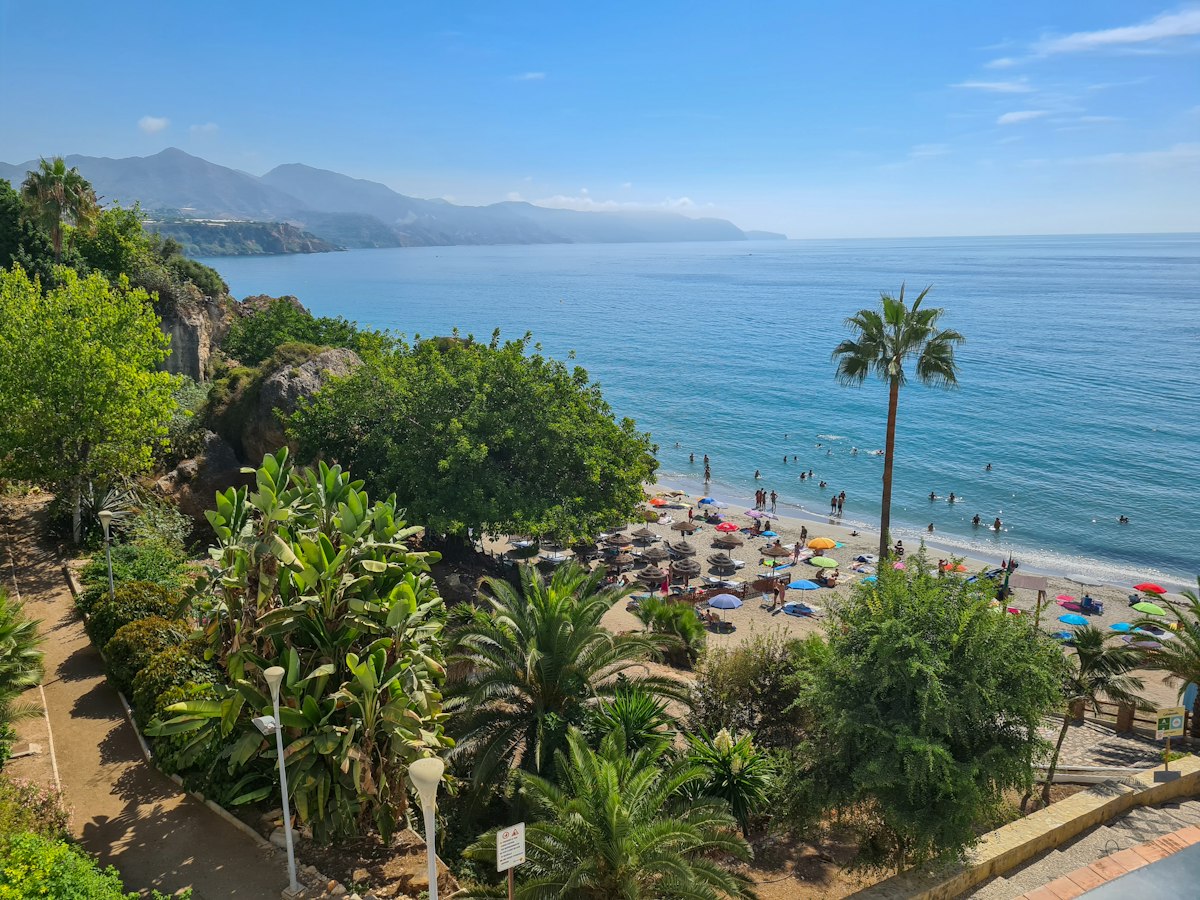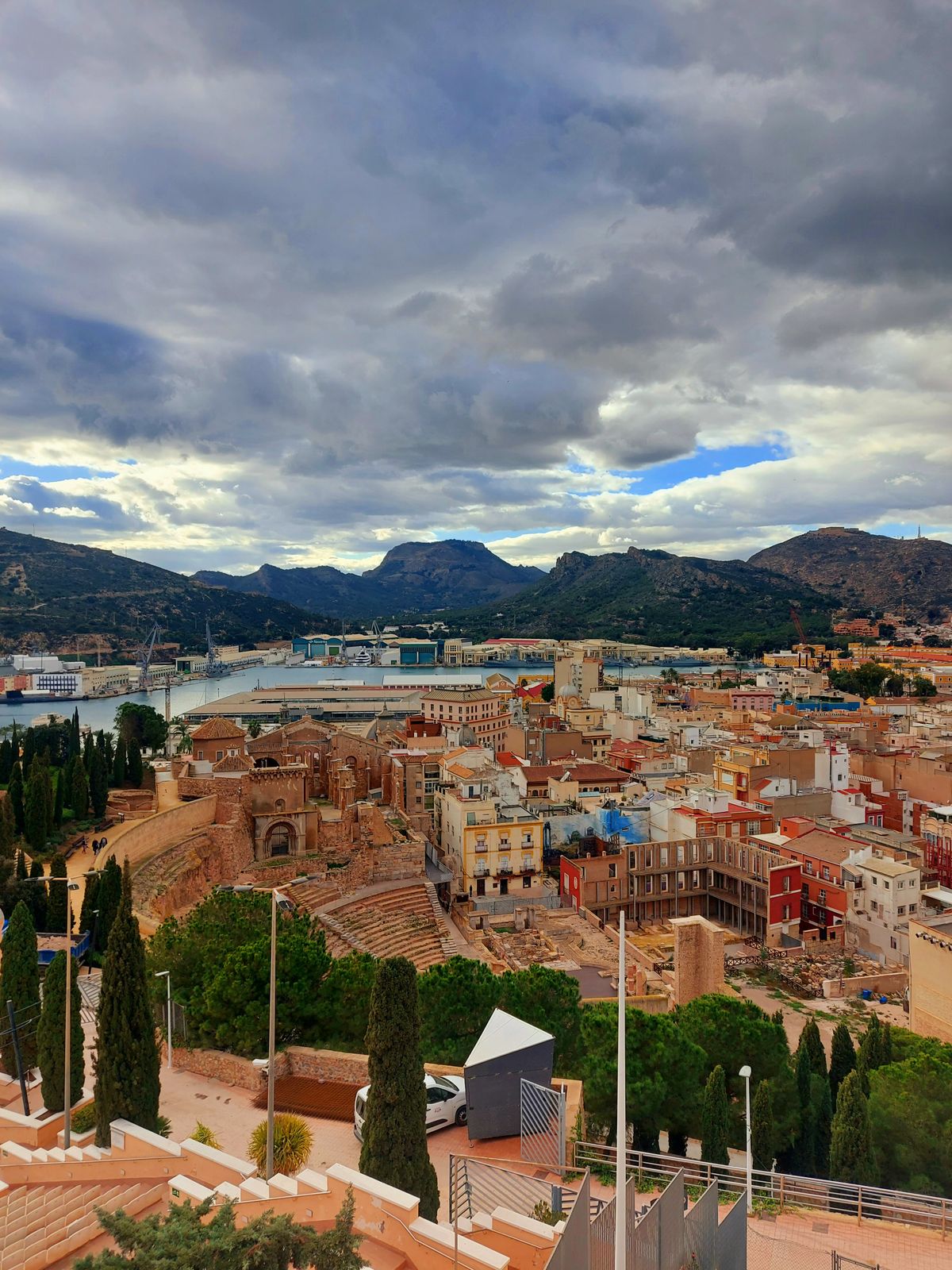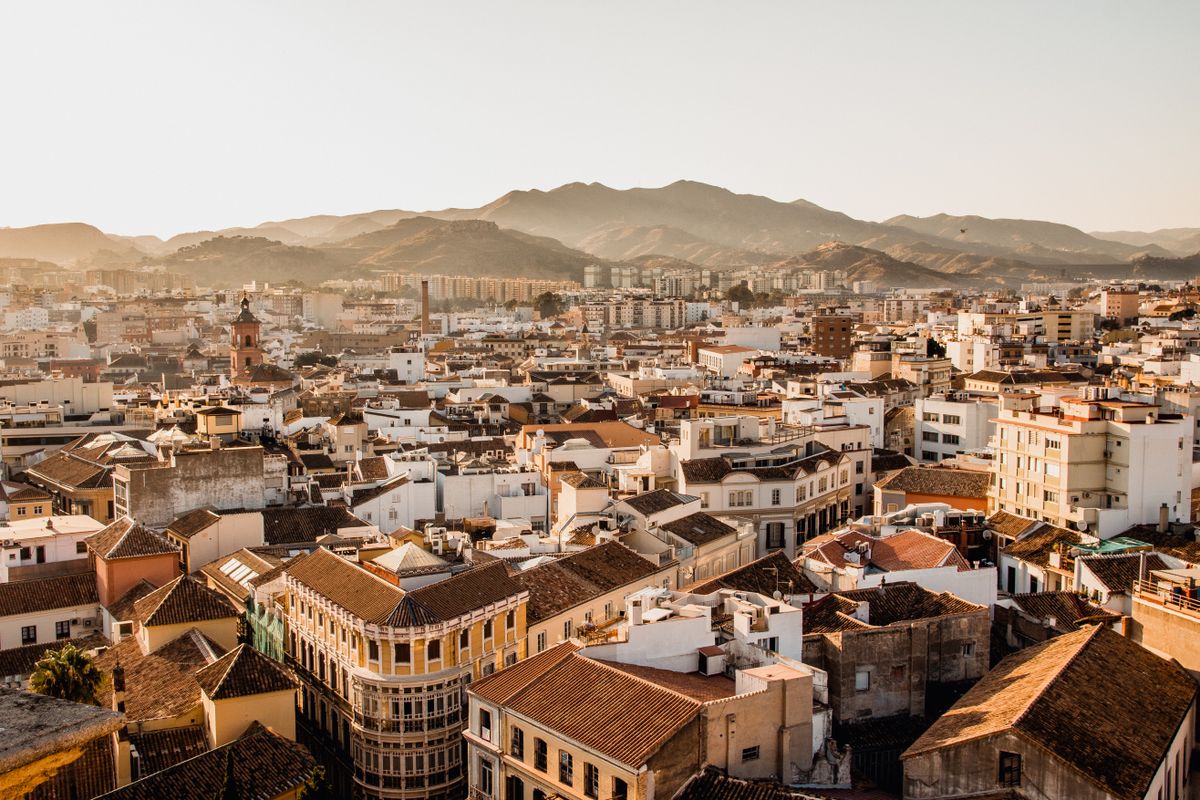
Málaga is not Marbella. It's not Torrevieja. It's not a resort town with an expat bubble and a British pub on every corner. It's a proper Spanish city of 580,000 people — with a world-class museum, a serious food scene, one of Spain's best airports, and property prices that have risen 40%+ in parts of the centre since 2020.
That rise is both the opportunity and the risk. Buyers who got in early made exceptional returns. Buyers entering now are paying premium prices in a city that has already had its major price surge. This guide doesn't pretend otherwise.
What it does do is give you the honest breakdown: which areas still offer value, what your budget actually buys, what the rental numbers look like, and why Málaga suits a very specific type of buyer — and isn't right for others.
Is Málaga a Good Place to Buy Property?
Yes — if you're the right buyer. Málaga suits people who want European city living with Spanish weather. A proper bar culture, serious restaurants, galleries, a diverse international community of remote workers and tech professionals, and a functioning urban life that doesn't shut down in October.
It does not suit buyers who want a quiet seaside retreat, a villa with a pool, or a predominantly English-speaking expat community. Those buyers should look at Nerja, Estepona, or the wider Costa del Sol resort towns instead.
For the right buyer, Málaga ticks boxes that almost no other Spanish city can match: it has the infrastructure and cultural weight of a major city, Andalusia's favourable 7% resale purchase tax (versus 10% in Valencia), year-round connectivity from a genuinely excellent airport, and a rental market driven by multiple demand streams — tourists, professionals, students, and an expanding tech sector.
The honest caveat: you are no longer buying cheap. Parts of Málaga's historic centre are now trading at prices that would be unremarkable in a mid-tier city anywhere in Western Europe. The bargain window closed around 2022–2023.
The Málaga Story — Why It's Boomed
Understanding what drove the boom helps you assess where prices go next.
The cultural rebranding started with the Picasso Museum in 2003 and accelerated when Málaga's Pompidou Centre opened in 2015 — the first Pompidou outpost outside Paris. The city invested heavily in its historic centre, transforming the waterfront (Muelle Uno), revitalising the Soho district, and building genuine cultural credibility.
The remote work wave after 2020 hit Málaga particularly hard — in a good way for property values. The city's combination of fast internet infrastructure, a growing co-working scene, warm climate, low crime, and direct flights to every major European city made it a magnet for digital workers who could live anywhere. The Málaga Tech Park (Parque Tecnológico de Andalucía) in nearby Campanillas attracted major companies including Google, which announced a significant presence in the city.
Spanish domestic migration compounded foreign demand. Madrileños and Barcelonans — fed up with higher costs and colder weather — moved south in significant numbers during and after the pandemic. This isn't a story of foreign buyers inflating prices; it's a genuine rebalancing of where Spaniards want to live.
The result: Málaga's historic centre has become one of the most expensive per-square-metre markets in Andalusia, and the ripple effect has pushed prices east and west along the coast.
Property Types and Price Ranges
Málaga is predominantly an apartment market. Unlike the resort Costa del Sol, standalone villas within the city are rare — you'll find them on the hillside outskirts and in suburban districts, but the urban fabric is dense, multi-storey residential stock.
Apartment typology:
- Historic buildings (pre-1960s): High ceilings, large rooms, character — but often require renovation and may lack lifts. Well-renovated versions command strong premiums.
- Mid-century residential blocks: The bread and butter of the market. Solid construction, manageable community fees, often with terraces.
- Modern new build: Limited supply in the centre but growing in areas like Teatinos. Higher spec, energy efficiency, but premium pricing.
| Area | Price per m² |
| ------ | ------------- |
| Centro Histórico / Soho | €3,500–€6,000 |
| Pedregalejo | €2,500–€4,000 |
| El Palo | €2,000–€3,200 |
| Teatinos | €2,000–€3,200 |
| Churriana | €1,800–€2,800 |
| Málaga Este (Rincón / Cala del Moral) | €1,600–€2,500 |
On top of the purchase price, budget for buying costs of approximately 10–12% in Andalusia: 7% ITP (resale transfer tax) or 10% VAT (new build), plus notary, registry, legal fees, and agency. See our full guide to buying costs in Spain for a line-by-line breakdown.
The Best Areas to Buy in Málaga
Soho and Centro Histórico
Soho and the wider historic centre is where Málaga's transformation has been most dramatic and where prices have risen fastest. The streets around the Pompidou, the Cathedral, and the Atarazanas market have become genuinely desirable — not in a resort-town way but in a Barcelona-Gràcia or Madrid-Malasaña way.
Restaurants here are competing on quality, not tourist footfall. The arts scene is real. Short-term rental demand is exceptionally strong — Málaga's city tourism has grown substantially, and well-located central apartments can achieve high occupancy.
The numbers: apartments run €250,000–€600,000+ depending on size and finish. Per-square-metre prices of €4,000–€6,000 in the best streets are no longer exceptional.
Who it suits: Buyers prioritising rental yield and capital appreciation, or lifestyle buyers who want to be in the thick of city life. Not for budget buyers — this market has already repriced significantly.
Watch out for: Tourist licence restrictions. The Junta de Andalucía and Málaga city council have introduced zoning restrictions on short-term rental licences in central areas. If rental income is part of your plan, verify the property's zone and licence status — or the existing licence — before purchase. See our guide to renting out property in Spain for how tourist licences work nationally.
Pedregalejo
Pedregalejo is the area that Málaga residents themselves often cite as their favourite: a former fishing village absorbed into the eastern city that has retained its neighbourhood character — proper *chiringuitos* (beach bar restaurants) on the beach, a pedestrianised seafront promenade, bakeries, local bars, and a genuine year-round residential community.
It's about 4km east of the centre — walkable, or a short bus or bike ride. The beach here is real and used by locals, not a tourist infrastructure play.
Prices: €200,000–€400,000 for apartments, with smaller one-beds at the lower end and larger properties near the seafront pushing above. Per-square-metre: €2,500–€4,000.
Who it suits: Buyers who want city access combined with genuine neighbourhood life and beach proximity. Strong long-term rental demand from professionals. Better value than Soho with more authentic day-to-day quality of life.
El Palo
El Palo sits immediately east of Pedregalejo — more working-class, less polished, and noticeably cheaper. It's gentrifying slowly rather than rapidly, which means there's still value to be found and the price ceiling is lower than in Pedregalejo.
Apartments: €160,000–€280,000. The beach is good, the community is genuine, and the infrastructure is solid. It's the kind of area that attracts buyers with a longer time horizon who want to buy before a neighbourhood fully tips.
Who it suits: Budget-conscious buyers who want an authentic urban neighbourhood with beach access. Less suited to buyers chasing short-term rental yields — the tourist infrastructure isn't here yet.
Teatinos
Teatinos is Málaga's western university district — home to the University of Málaga campus and increasingly a hub for tech companies and young professionals. It's less photogenic than the historic centre or the beach suburbs, but it has excellent infrastructure: metro line, large supermarkets, sports facilities, and a dense network of cafés and restaurants serving a working population.
The Málaga Tech Park is nearby, and the area benefits from sustained professional rental demand. If you're buying for long-term rental income rather than lifestyle or tourism, Teatinos is worth serious consideration.
Apartments: €150,000–€280,000. Per-square-metre: €2,000–€3,200. This is where a €200,000 budget buys you a genuine two-bedroom apartment rather than a studio in Soho.
Who it suits: Investment-focused buyers prioritising stable long-term yields over glamour. Also good for buyers on a tighter budget who want city access without resort-area prices.
Cala del Moral and Rincón de la Victoria
Cala del Moral and Rincón de la Victoria are coastal towns 10–15km east of Málaga — effectively commuter-belt seaside, connected to the city by a quick train or coastal road. Property prices here are the most affordable of any coastal option close to Málaga.
Apartments from €130,000; a reasonable two-bedroom near the beach at €160,000–€220,000. These are proper beach towns — the seafront is the main event, the summers are genuinely good, and the winter population is real rather than tourist-dependent.
Who it suits: Lifestyle buyers who want sea access without city prices, or retirees prioritising space and cost over urban energy. Not suited to buyers chasing short-term rental yields in the city centre.
What Your Budget Actually Buys
At €200,000: You're choosing between a one-bedroom apartment in Soho or Pedregalejo (smaller, possibly needs updating) or a genuinely comfortable two-bedroom in Teatinos or El Palo. €200,000 doesn't stretch to a well-located, move-in-ready central apartment anymore — those days ended around 2022. Budget an additional €20,000–€24,000 for buying costs.
At €350,000: This is where the market opens up meaningfully. A solid two-bedroom apartment near the beach in Pedregalejo, a spacious flat in Soho (possibly needing cosmetic work), or a well-specified two-bed new build in Teatinos. You could also look at Cala del Moral or Rincón for a three-bedroom apartment with sea views at this price point.
At €500,000+: You're accessing premium central apartments — large, renovated, potentially with terraces or rooftop space — or looking at the city-fringe and suburban villa market. This budget also opens up new-build developments with high specifications in emerging areas west of the centre. Some buyers at this level find themselves comparing Málaga against Marbella, where €500,000 also buys serious quality — though the character is entirely different.
Rental Potential — Realistic Numbers
Málaga's rental market is genuinely multi-layered, which is unusual and valuable.
Short-term (tourist) lets in Soho and Centro can achieve gross yields of 5–8% on well-bought properties. Occupancy of 70–80% is achievable year-round given Málaga's non-seasonal tourism profile. The critical caveat: tourist licence availability in central zones is restricted and getting harder. You need a licence before you start letting, and in some central zones, new licences are not being granted. Verify this before purchase — it's the single biggest risk for buyers banking on short-term rental income.
Long-term lets to professionals and tech workers are increasingly attractive as an alternative. A two-bedroom in Teatinos or Pedregalejo let to professionals at €900–€1,200/month on a 12-month contract produces a lower gross yield (typically 4–6%) but with far less management overhead, no tourist licence dependency, and a more stable income profile.
Student lets around Teatinos run €500–€700 per room per month — yields can be strong on multi-room flats if you're comfortable managing a student property.
For the full legal and tax framework around renting out Spanish property, read our guide to renting out property in Spain.
The Honest Downsides
Prices have already risen sharply. If you're reading this in 2026, you are not buying at the start of Málaga's property boom — you're buying at an elevated point in a market that may or may not have another strong leg up. The risk of buying at or near the top of a hot market is real and shouldn't be glossed over.
Traffic is bad. Málaga's road infrastructure was not designed for the population growth and tourist volumes it now handles. The ring road (A-7 and A-45) can be genuinely unpleasant in rush hours and during summer.
Parking in the centre is near-impossible without a garage space. If you want a car in central Málaga, budget for a private parking space — add €20,000–€35,000 to your purchase or €150–€200/month for rented parking.
Summer crowding. The historic centre becomes very busy June–September with cruise ship tourism and domestic holidaymakers. If you're planning to live here full-time, you need to either enjoy that energy or be prepared to leave for the worst weeks.
It's no longer cheap. Cost of living in central Málaga has risen materially. Restaurants that would have seemed expensive five years ago are now standard. The "cheap Spain" narrative does not apply to Málaga's centre.
The airport is 12km away. The train connection (Cercanías line C1) takes about 12 minutes to the centre and runs frequently — this is genuinely fine. But if you're comparing to a villa that's 45 minutes from the airport, factor that in for weekend trips back to the UK.
Málaga vs the Resort Costa del Sol
This is a comparison worth making clearly because buyers sometimes conflate them.
Resort Costa del Sol (Marbella, Estepona, Fuengirola, Nerja) is: mostly apartment and villa stock built for or around second-home buyers; strong expat communities; English widely spoken; lifestyle focused on beach, golf, restaurants, and pool; relatively quiet October–March; good for buyers who want a second home in the sun with minimal immersion in Spanish life.
Málaga city is: a functioning Spanish metropolis; Spanish as the primary language of daily life; culture, nightlife, and food on a city scale; dense urban living; minimal "expat bubble" infrastructure; year-round population with genuine city energy; suited to buyers who want to *live* somewhere, not just holiday somewhere.
Neither is objectively better. They suit completely different buyers. The mistake is arriving expecting one and finding the other.
If the resort Costa del Sol is what you're after, read our Costa del Sol property guide for the full breakdown of the key towns and what they offer.
Getting the Legals Right
Before you commit to any Spanish property purchase, a few non-negotiables:
Get an NIE number — your Spanish fiscal identification number. You cannot legally complete a property purchase without one, and it takes time to obtain. Start this process early.
Use an independent Spanish solicitor — not one recommended by the estate agent or developer. Your lawyer's sole duty is to you.
Understand the buying process in full — the reservation deposit, the *arras* contract, the timelines, and what happens if either party pulls out.
If you need financing, Spanish mortgages for non-residents typically lend up to 70% LTV. Rates and terms have shifted with the broader European rate environment — get a mortgage offer before you make an offer on a property.
Final Verdict
Málaga is a genuinely compelling city — one of the most liveable in Spain if urban European life with good weather is what you're after. The property market reflects that: it has repriced to match the city's new status, and buyers who got in before 2022 have done very well.
For buyers entering now, the arithmetic still works — particularly for long-term holds or well-structured rental propositions in areas like Pedregalejo, Teatinos, and the eastern suburbs. But you need to be clear-eyed: you're not finding hidden value in an undiscovered city. Málaga is discovered. The question is whether the fundamentals — airport, culture, professional community, climate, and Andalusia's tax advantage — justify the current prices for your specific use case.
For most buyers who genuinely want city life, they do. For buyers who primarily want sun, sea, and a relaxed second-home existence, the wider Costa del Sol resort towns will deliver better value and a more familiar expat experience.
Know which buyer you are. Then buy accordingly.
Ready to find your property in Spain?
Browse thousands of verified listings from licensed local agents.
Browse properties →