Lorca: Murcia's Baroque City and One of Spain's Hidden Property Gems
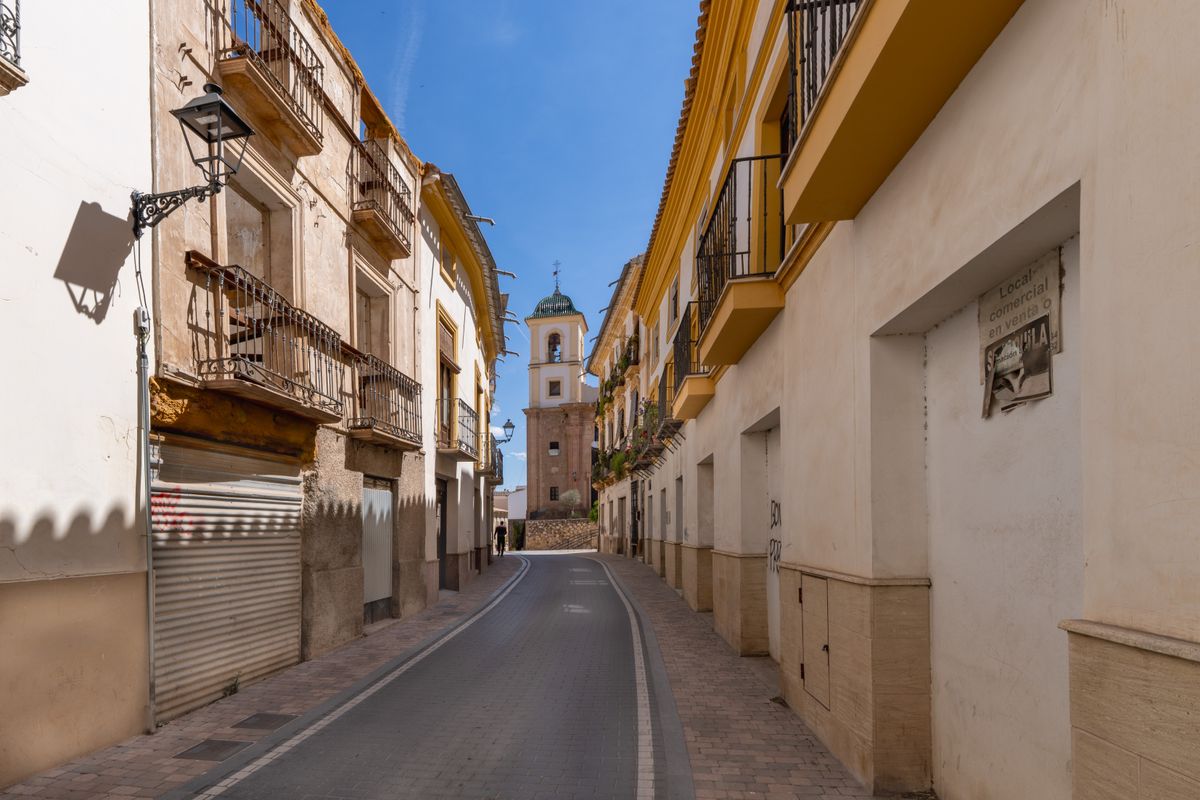
Lorca sits 60 kilometres southwest of Murcia city, deep in the sun-baked interior of the region, and it is the kind of place that stops first-time visitors in their tracks. Grand baroque churches, fortified hilltop castles, ornate noble mansions, and a historic centre that feels entirely, authentically Spanish — all at prices that would be laughable if you tried to apply them to a comparable city in Catalonia or Andalucía. With a population of around 90,000, Lorca is the second largest city in the Murcia region and the capital of a municipality so vast — 1,676 km², the largest in Spain by surface area — that it contains everything from medieval streetscapes to remote agricultural wilderness.
This is not a resort town. There is no beachside promenade, no strip of English pubs, no queue of estate agents targeting foreign investors. That is precisely what makes it interesting.
---
The Baroque City: What Lorca's Heritage Actually Means
The nickname is no marketing invention. Lorca was rebuilt extensively in the 17th and 18th centuries under royal patronage, and the result is a concentration of baroque architecture that rivals far more famous Spanish cities. The Collegiate Church of San Patricio, begun in the 16th century and finished two hundred years later, dominates the Plaza de España with a façade of theatrical grandeur. The Fortaleza del Sol — a Moorish fortress that looks out across the plain from a rocky hilltop — offers some of the finest views in southeastern Spain. Along the Calle Corredera, the historic trading street, baroque mansions built by wealthy merchants and nobility line the route in various states of splendour.
Lorca also has one of Spain's most spectacular Holy Week celebrations. The Semana Santa processions here are UNESCO Intangible Cultural Heritage — and they genuinely deserve the designation. The competing brotherhoods, known as the Blancos and the Azules (Whites and Blues), produce processional floats and costumes of extraordinary craftsmanship, with silk embroideries that take years to complete. It is not a tourist spectacle — it is something Lorca is fiercely and justifiably proud of.
Beyond Easter, the city holds an annual Mediaeval Market each September, rooted in Lorca's identity as a frontier city between Christian and Moorish Spain. The flamenco tradition is strong. The food culture — built on the agricultural abundance of the surrounding plain — is serious.
---
The 2011 Earthquake: An Honest Assessment
Any guide to Lorca that glosses over the earthquake of May 2011 is doing you a disservice. Two earthquakes — measuring 5.1 and 5.2 on the Richter scale — struck within hours of each other and caused significant damage to the historic centre. Nine people died, hundreds were injured, and thousands of buildings were damaged or rendered uninhabitable. It was the most destructive seismic event in Spain in decades.
More than a decade on, the picture is considerably more positive. Extensive rebuilding and restoration work has been carried out, substantial EU and national government funding was directed at the city, and the historic centre has largely recovered. The castle and church of San Patricio have both been restored. Residential areas have been rebuilt or retrofitted to modern seismic standards.
That said, buyers considering older properties — particularly those in the historic centre built before modern seismic regulations — should commission an independent structural survey. This is good practice anywhere in Spain, but in Lorca it is not optional. A properly qualified surveyor can assess whether a building has been post-earthquake assessed and whether any required work has been completed. New-build and recently renovated properties will be built to current standards, which include seismic considerations. Do not let the earthquake deter you entirely; do let it sharpen your due diligence.
---
Why Lorca is Undervalued
Lorca's low property prices are the product of several overlapping factors, none of which reflect the city's actual quality of life or cultural offering.
The 2011 earthquake knocked confidence in the market and kept international buyers away at the exact moment that other Spanish cities were beginning to attract renewed interest. The inland location — no beach within the city itself — means Lorca sits outside the coastal search parameters most foreign buyers set. The low international profile means it never appears in the lifestyle magazines that drive interest to places like Ronda or Granada. And the Murcia region as a whole still suffers from underexposure compared to Andalucía or Valencia, even though living standards, infrastructure, and climate are entirely comparable.
The result is a city where you can buy a genuinely historic townhouse for a fraction of what an equivalent property costs in Granada, and a rural cortijo with land for prices that barely register in other Spanish regions. For buyers who care about authentic Spanish life rather than an expat enclave, the maths is compelling.
---
Property Types and Prices
City apartments are the most accessible entry point to the Lorca market. A liveable one-bedroom apartment in a residential neighbourhood starts from around €35,000–€50,000. Larger, well-located apartments with two or three bedrooms in good condition sit in the €50,000–€80,000 range. These are not coastal inflated prices — they are inland Murcia prices, and they reflect real value.
Historic townhouses and renovated properties in or near the historic centre range from approximately €80,000 for a smaller house requiring cosmetic work to €150,000–€200,000 for a fully restored property with character features intact. Buyers willing to take on a renovation project will find opportunities below €60,000, though the structural survey caveat above applies with extra force here.
Rural properties — cortijos and fincas — are where Lorca becomes genuinely extraordinary value. The municipality's vast agricultural territory, stretching into sierra and plain, contains thousands of rural properties ranging from simple farmhouses to substantial country estates. Prices start from around €60,000 for a basic cortijo and rise to €200,000–€250,000 for a well-maintained finca with significant land, outbuildings, and views. Rural Lorca attracts buyers seeking genuine self-sufficiency, smallholding life, or simply space and solitude at prices unimaginable elsewhere in Western Europe.
New developments have returned to Lorca since the post-earthquake recovery and typically sit in the €90,000–€180,000 range for modern apartments and townhouses built to current standards, including seismic specifications.
---
Location and Connectivity
Lorca's inland position is real, but "isolated" would be misleading. The city sits on the A-7 motorway corridor and is well connected to the wider region:
- Murcia city: 60km — approximately 45 minutes by road
- Águilas: 40km — Murcia's southernmost beach resort, with a Blue Flag coastline and one of the region's most genuinely local coastal towns
- Mar Menor coast: 60km — the vast shallow lagoon that draws most international buyers to the region
- Murcia International Airport (Corvera): approximately 70km
- Almería Airport: approximately 100km — useful for those with connections to eastern Andalucía or who find better flight routes from there
---
Economy and Stability
Lorca's economy is more diversified than most Spanish coastal towns, which is a genuine stabilising factor for the property market. The surrounding plain is one of Spain's most productive agricultural zones — Lorca is, notably, the self-described artichoke capital of the world, and the surrounding huerta produces a wide range of vegetables and fruit for both domestic and export markets. Textiles, ceramics, and food processing provide additional industrial employment. Tourism is growing but remains a secondary economic driver rather than the primary one.
This matters for buyers. A town whose economy depends entirely on tourism is vulnerable to seasonality, geopolitical shocks, and shifts in travel patterns. Lorca's broader economic base provides more stability, which tends to translate into a more resilient property market.
---
Who Buys in Lorca?
The buyer profile in Lorca is different from the typical Spanish coastal market. You will not find the same concentration of British retirees seeking a beachside lifestyle — though plenty of British buyers do purchase here, particularly those who have spent time in the region and want something more authentic than a resort development.
The market is dominated by:
- Renovation-focused buyers seeking historic properties — townhouses, cortijos, and finca properties — with character and space at prices that make the investment viable
- Budget buyers who cannot afford coastal Murcia or the Costa Blanca but want a genuine Spanish property rather than a compromise
- People working in Murcia or Almería who want to live somewhere with lower property costs and more space, accepting the commute
- Rural lifestyle buyers — smallholders, remote workers, artists, and those seeking genuine countryside living — drawn by the vast rural municipality and its extraordinary value
- Property investors who recognise that Lorca's undervaluation relative to its cultural and architectural stock is structural rather than fundamental, and who are patient about timelines
Frequently Asked Questions
Is Lorca a good place to buy property? For the right buyer, it is an exceptional one. If you want authentic Spanish city life, extraordinary baroque heritage, rural space, and prices well below comparable heritage cities, Lorca offers a compelling combination. It is not the choice if beach access, international community infrastructure, or strong short-term rental yields are your priorities.
Was Lorca badly affected by the earthquake? Yes. The 2011 earthquakes caused significant damage to the historic centre and resulted in casualties. However, extensive rebuilding and restoration has occurred in the years since, the city has largely recovered, and new construction meets modern seismic standards. Buyers of older properties should always commission a professional structural survey — this is standard good practice, not a reason to avoid Lorca altogether.
How far is Lorca from the beach? The nearest beach is Águilas, approximately 40 kilometres to the south — around 35–40 minutes by car. The Mar Menor coast and the beaches of the Costa Cálida are approximately 60 kilometres away. Lorca is an inland city, but it is not remote from the coast.
What are property prices in Lorca? City apartments start from around €35,000–€50,000 for a one-bedroom property; larger apartments in good condition typically range from €50,000–€80,000. Renovated historic townhouses in the centre range from €80,000–€200,000 depending on size and condition. Rural cortijos and fincas start from around €60,000 and can reach €200,000–€250,000 for well-maintained properties with significant land. New-build developments typically range from €90,000–€180,000. These prices represent extraordinary value by the standards of comparable Spanish cities.
---
The Bottom Line
Lorca is the kind of place that rewards buyers who look past the obvious. No beach, no resort strip, a complicated history with the 2011 earthquake, and a low international profile have kept prices far below what this city's extraordinary architecture, culture, and quality of life would normally command. The earthquake was real, its consequences were serious, and it left a mark — but Lorca has done the work of rebuilding, and the fundamentals that made it a significant Spanish city for centuries are still entirely intact.
For buyers seeking authentic Spain, space, heritage, and value, Lorca deserves to be on your shortlist.
Ready to find your property in Spain?
Browse thousands of verified listings from licensed local agents.
Browse properties →