Almuñécar: The Subtropical Secret on Spain's Southern Coast
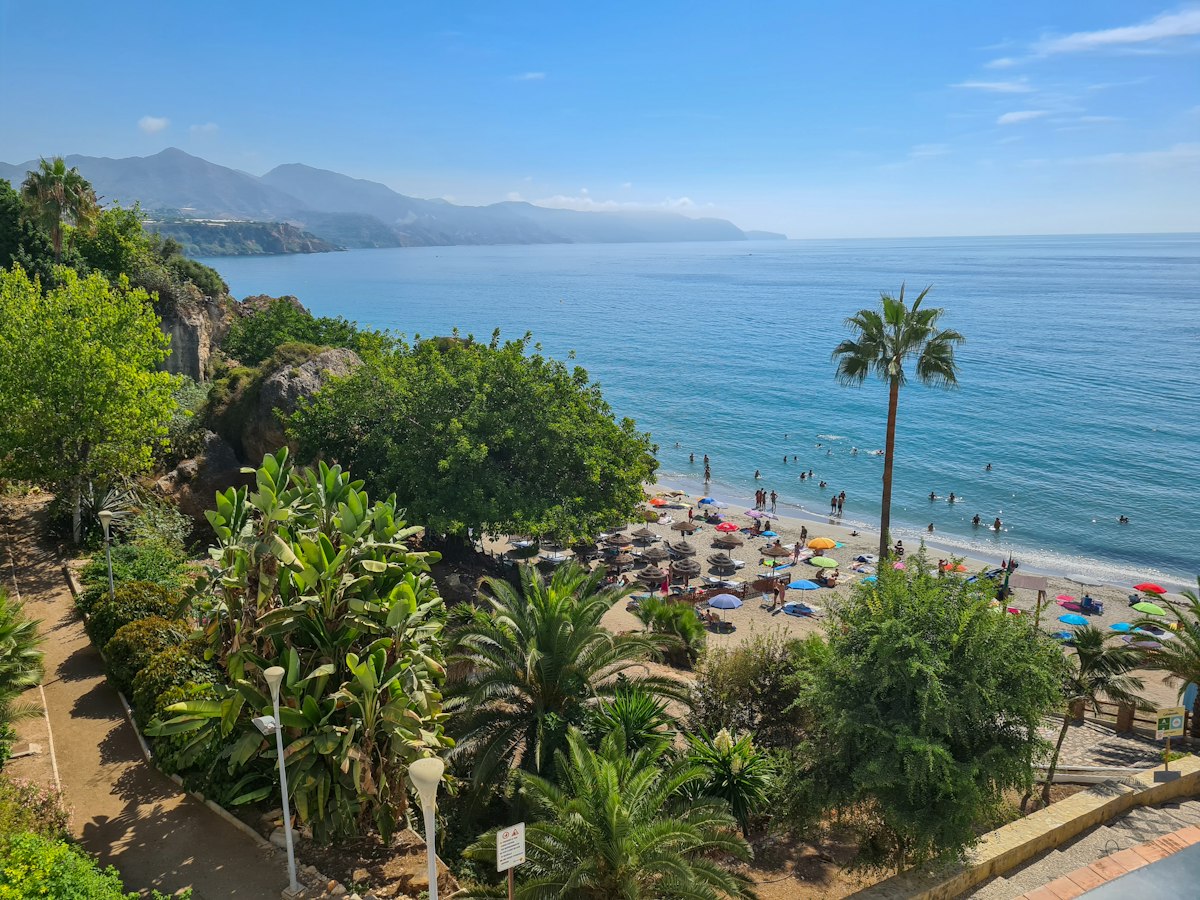
Most people who discover Almuñécar do so by accident. They were heading somewhere else — perhaps Nerja, perhaps Granada — and they stopped. They noticed the banana palms lining the road, the dark volcanic sand, the castle perched above an old town of whitewashed lanes, and the kind of light that makes you want to stay longer than you planned.
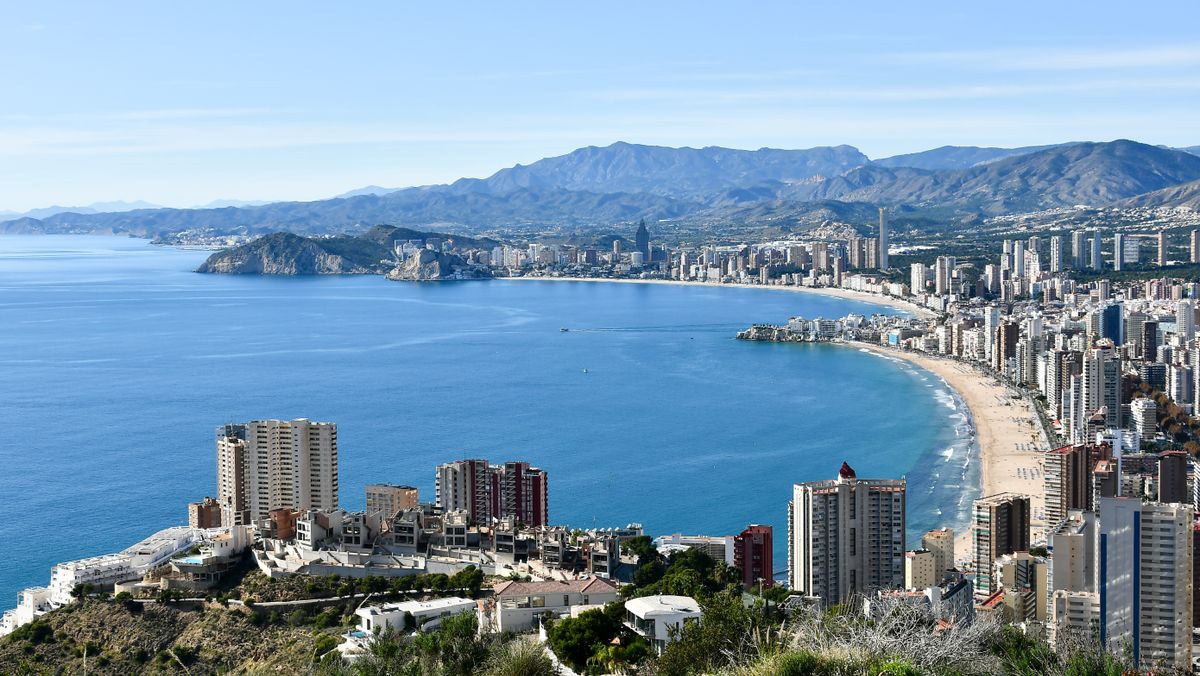
The largest town on the Costa Tropical (Granada province), Almuñécar has a genuine character that much of the Spanish coast has traded away for volume tourism. It's not undiscovered — the Spanish domestic market packs it out in August — but it remains recognisably itself. For the right buyer, that makes it one of the more compelling propositions on the Mediterranean.
---
What Is the Costa Tropical?
The Costa Tropical is a roughly 80km stretch of Granada's coastline, running from La Rábita in the east to Nerja (technically Málaga province) in the west. It earns its name honestly: the combination of a mountain backdrop — the Sierra Nevada descends almost to the sea here — and a sheltered southern exposure creates a microclimate that is, scientifically, the warmest and driest part of mainland Spain.
Average January temperatures hover around 16°C. Summer highs are tempered by evening breezes that the Costa del Sol, baking on a wider coastal plain, rarely gets. The result is a year-round growing climate that supports crops almost nowhere else in continental Europe: bananas, avocados, mangoes, custard apples (chirimoyas), and lychees all grow commercially here. The roadside orchards are not decorative — they're working farms, and they define the landscape in a way that's genuinely unusual for a European beach destination.
---
Almuñécar vs the Costa del Sol: Understanding the Difference
The honest comparison matters for buyers, because the Costa Tropical is frequently described as "the Costa del Sol but quieter." That's partially true but somewhat misleading.
What's similar:
- Mediterranean climate and beaches
- Andalucían culture, tapas bars, white villages
- European expat buyer market (British, German, Scandinavian)
- Andalucía's VUT holiday rental licensing system
The Costa del Sol has the AP-7 motorway running its full length, making Málaga, Marbella, and Estepona all quick drives from the airport. The AP-7 does not reach the Costa Tropical. From Málaga Airport to Almuñécar, you're on the N-340 coastal road — winding, occasionally spectacular, frequently slow. In clear conditions: around 80 minutes. In summer traffic or after rain: longer.
That single infrastructure fact has had a profound effect on the market. The Costa Tropical is less developed, more authentically Spanish, and considerably cheaper than comparable Costa del Sol spots. It has attracted fewer large-scale resort developments. It has a smaller and less infrastructure-heavy expat community. English is less widely spoken, services are more locally oriented, and the pace of life is slower — by design and by circumstance.
Whether that's a feature or a bug depends entirely on the buyer.
---
Where to Buy in Almuñécar: Key Areas
Almuñécar Town
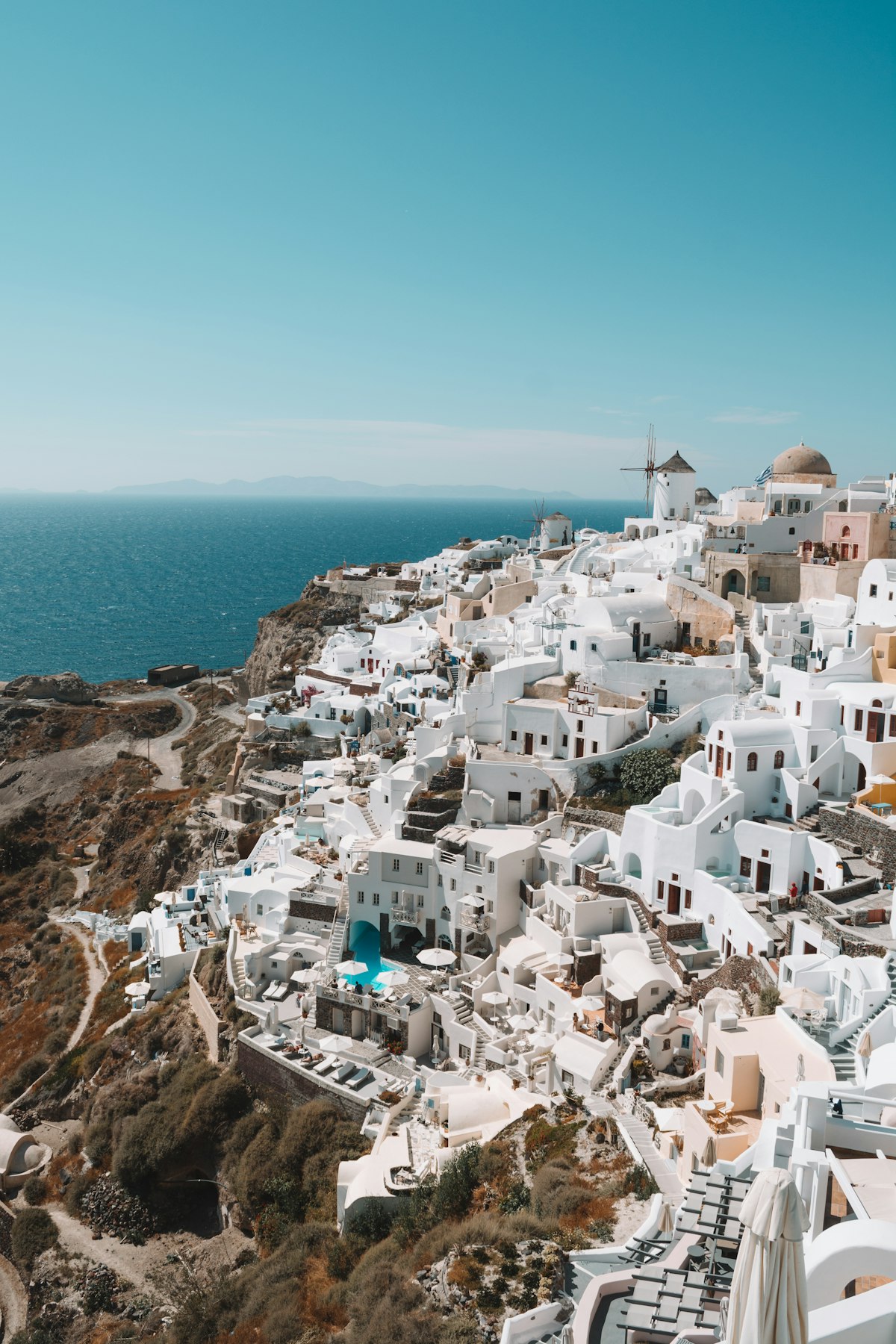
The town itself is the cultural and commercial centre. The Castillo de San Miguel dominates the skyline above an old quarter (the Barrio Árabe) of steep lanes and Moorish-era architecture. There's a small but interesting archaeological museum, a Roman fish-salting factory (garum works) open to visitors, and a promenade lined with palm trees and tapas bars.
Beach options are split between Playa de San Cristóbal to the east of the castle and the string of smaller coves towards Velilla. Neither has the wide sandy sweep of Torremolinos or Marbella — this is a volcanic-sand coast, and the beaches are narrower — but they're pleasant and far less overcrowded outside July and August.
Town-centre apartments are the most affordable entry point in the area and retain better year-round rental potential due to walkability.
La Herradura
Ten kilometres west of Almuñécar, La Herradura ("The Horseshoe") is built around one of the most naturally protected bays on the Spanish Mediterranean. The sweeping semicircular bay is a sailor's haven — the marina has a strong windsurfing and sailing scene — and the village itself is quieter and more residential than Almuñécar town.
La Herradura attracts buyers who want a little more space and seclusion. Villa plots are larger, views are generally better, and the premium property market here sits above the Almuñécar average. The trade-off is that amenities are sparser.
Velilla Beach Area
East of the town centre, the Velilla zone is where most of the purpose-built holiday apartment complexes sit. It's more resort-like in character, with direct beach access and a higher proportion of foreign-owned properties. It's also where the short-term rental market is most active, making it the first port of call for buyers focused on rental yield.
---
Property Types and Prices
The Costa Tropical sits in an interesting price gap — above the cheapest corners of inland Andalucía, but well below comparable beachside property on the Costa del Sol or the more fashionable stretches of the Costa Blanca.
Apartments
- Town-centre studios and one-beds: €80,000–€130,000. Older stock, mixed condition, but good location fundamentals.
- Modern apartments, Velilla / seafront zones: €130,000–€200,000. Better spec, typically within walking distance of the beach.
- Sea-view apartments, elevated positions: €150,000–€280,000. These are the properties that best justify the Almuñécar premium — unobstructed views of the Mediterranean with the Sierras behind.
Villas and Townhouses
- Townhouses in the old town or residential barrios: €180,000–€320,000. Characterful but often requiring works.
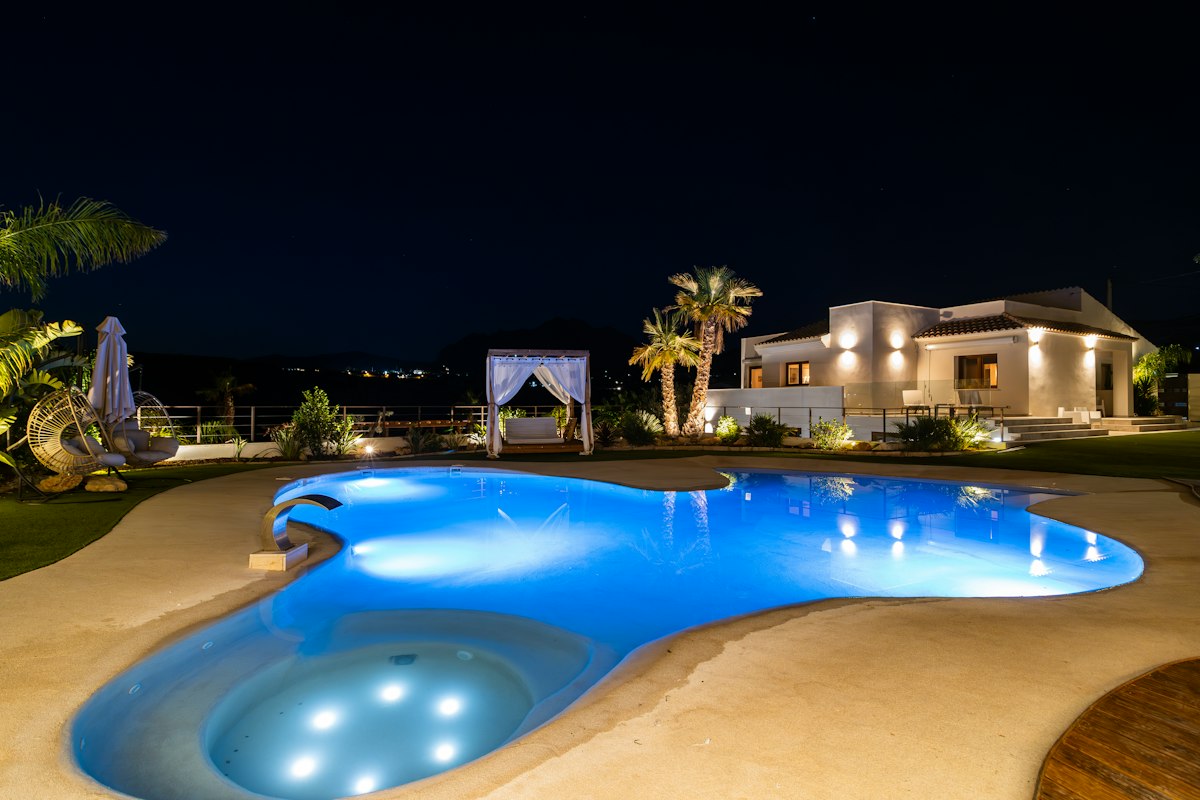
- Modern villas, Almuñécar municipality: €220,000–€500,000. Typically detached with private pool and sea views from upper terraces.
- La Herradura villas: €300,000–€800,000. The premium tier of the local market; larger plots, better privacy, some genuinely impressive contemporary builds.
---
Climate and Lifestyle
The subtropical microclimate is real and it matters day-to-day in ways that aren't obvious until you've spent time here. January in Almuñécar regularly produces days warm enough to sit outside in a light jacket. The summer heat is serious — July and August see highs above 35°C — but the evenings cool noticeably, making it more comfortable than many coastal towns further west.
Rainfall is low. The entire Costa Tropical receives less annual precipitation than most of mainland Spain, a fact that protects the outdoor lifestyle the area sells. The flip side is occasional water-supply pressure in dry years, something worth noting if you're buying a rural property with its own water source.
Daily life is unhurriedly Spanish. Markets, bars, and local restaurants are the social infrastructure. There is a small expat community — British, German, and Scandinavian buyers have been present since the 1980s — but it's nothing like the scale of the Costa del Sol. Services in English exist, but assuming them would be a mistake. A basic level of Spanish makes life significantly easier here than in, say, Fuengirola.
---
Getting There: The Access Question
There's no point glossing over this. The access situation is the defining constraint on the Costa Tropical market and it directly affects property values.
Málaga Airport is the primary arrival point for international buyers. It's 80km away, but the journey is not 80km of motorway. The N-340 coastal road is picturesque and reasonably well maintained, but it winds along the coastline through numerous towns and junctions. Budget at least 80–90 minutes in good conditions; more in summer.
Granada Airport is 60km as the crow flies but handles only a small number of flights — primarily domestic routes and some European connections. It cannot be relied upon as a primary access route for most international buyers.
There is no train. There is no motorway. There are regular bus services to Granada and Málaga, but they are not convenient for the kind of lifestyle most buyers are expecting.
This isn't a dealbreaker, but it is a genuine consideration. Buyers who are in Almuñécar for extended periods or who are relocating find the access acceptable. Those planning short, frequent weekend breaks from the UK or elsewhere in Europe will find it more frustrating than equivalent Costa del Sol or Costa Blanca destinations.
---
The Rental Market
Short-term (holiday) rentals follow the standard Andalucía VUT (Vivienda de Uso Turístico) licensing framework. Demand is real but concentrated: the main season runs July and August, with a secondary shoulder season in June and September. Spanish domestic tourism drives a significant proportion of the summer market, which is both a strength (less dependent on international flight schedules) and a limiting factor (Spanish domestic tourists typically pay less per night than northern European visitors to comparable Costa del Sol properties).
Year-round occupancy is difficult to achieve without active marketing. The low season is genuinely quiet.
Long-term rentals (unfurnished, 12-month contracts) are a thin market. Almuñécar has a small resident population without the large workforce of a city or the retiree demand of Costa del Sol towns. Long-term yields are modest. Buyers targeting rental income primarily should model conservatively outside the core summer weeks.
---
Who Buys in Almuñécar?
The buyer profile here is fairly consistent:
- Costa del Sol refugees — buyers who've looked at Marbella, Nerja, or Fuengirola and found prices too high or the atmosphere too international.
- Granada city connections — the 60km drive to Granada is manageable as a second-home arrangement, and some buyers work or have family in the city.
- Subtropical climate seekers — people who have specifically researched the warmest part of mainland Spain and chosen accordingly.
- Culture-first buyers — those who value an old town, local life, and an un-packagedholiday feel over beach infrastructure.
- Budget-constrained Mediterranean buyers — buyers who want a sea-view apartment and can't stretch to the Costa del Sol equivalent.
---
Frequently Asked Questions
Is Almuñécar a good place to buy property?
For the right buyer, yes — genuinely so. It offers good value relative to comparable coastal towns in more accessible locations, a distinctive and pleasant lifestyle, a subtropical climate that most of Spain can't match, and a property market that has historically been stable rather than volatile. The key qualification is access: if you need easy, frequent international connectivity, it's a harder sell. If you're planning longer stays or relocation, those concerns are much reduced.
How far is Almuñécar from Málaga Airport?
It's approximately 80km, but the drive takes around 80–90 minutes under normal conditions because there is no direct motorway connection. The N-340 coastal road is the primary route. Allow longer during the summer peak season and factor this into your decisions if frequent short breaks are part of your plan.
What is the Costa Tropical?
The Costa Tropical is the name for Granada province's Mediterranean coastline — roughly 80km of coast between Almería province to the east and Málaga province (including Nerja) to the west. It takes its name from the subtropical microclimate produced by the combination of southern exposure and the Sierra Nevada mountains acting as a barrier against cold northern air. The result is the warmest and driest part of mainland Spain, capable of growing tropical and subtropical crops commercially.
Is Almuñécar better than Nerja?
It's a comparison that comes up constantly, and the honest answer is: it depends on what you want. Nerja sits in Málaga province, closer to the AP-7 motorway, and has a more developed expat infrastructure and a more polished tourist offer (the Balcón de Europa, the famous caves). Almuñécar is larger, has a more substantial old town and archaeological heritage, a stronger subtropical character, and — crucially — lower property prices. Nerja has better access; Almuñécar has more authentic local life and more affordable entry points. Neither is objectively better. Most buyers who research both end up self-selecting based on priorities.
Ready to find your property in Spain?
Browse thousands of verified listings from licensed local agents.
Browse properties →