Mallorca has a hold on the imagination that no amount of budget travel to Alicante quite replicates. The cobalt coves, the Tramuntana mountains, the Michelin-starred restaurants and the general sense that you've arrived somewhere — it's seductive.
But seductive is expensive. When a two-bedroom apartment in Mallorca costs roughly the same as a four-bedroom villa with a pool in Murcia, buyers who haven't done the maths risk falling in love with the brand rather than making a sound property decision.
This guide breaks down the real differences between buying in Mallorca and buying on mainland Spain's southern coasts — the Costa Blanca, Costa del Sol, and the Region of Murcia — so you can make the choice that actually suits your budget, lifestyle, and goals.
Price: The Numbers Don't Lie
The single most important factor in this comparison is price, and the gap is stark.
Mallorca averages around €3,200 per square metre across the island, according to 2025 notarial data. Premium areas — Palma's Old Town, Port Andratx, Deià, Pollença — regularly exceed €5,000/m², with trophy properties going well beyond that.
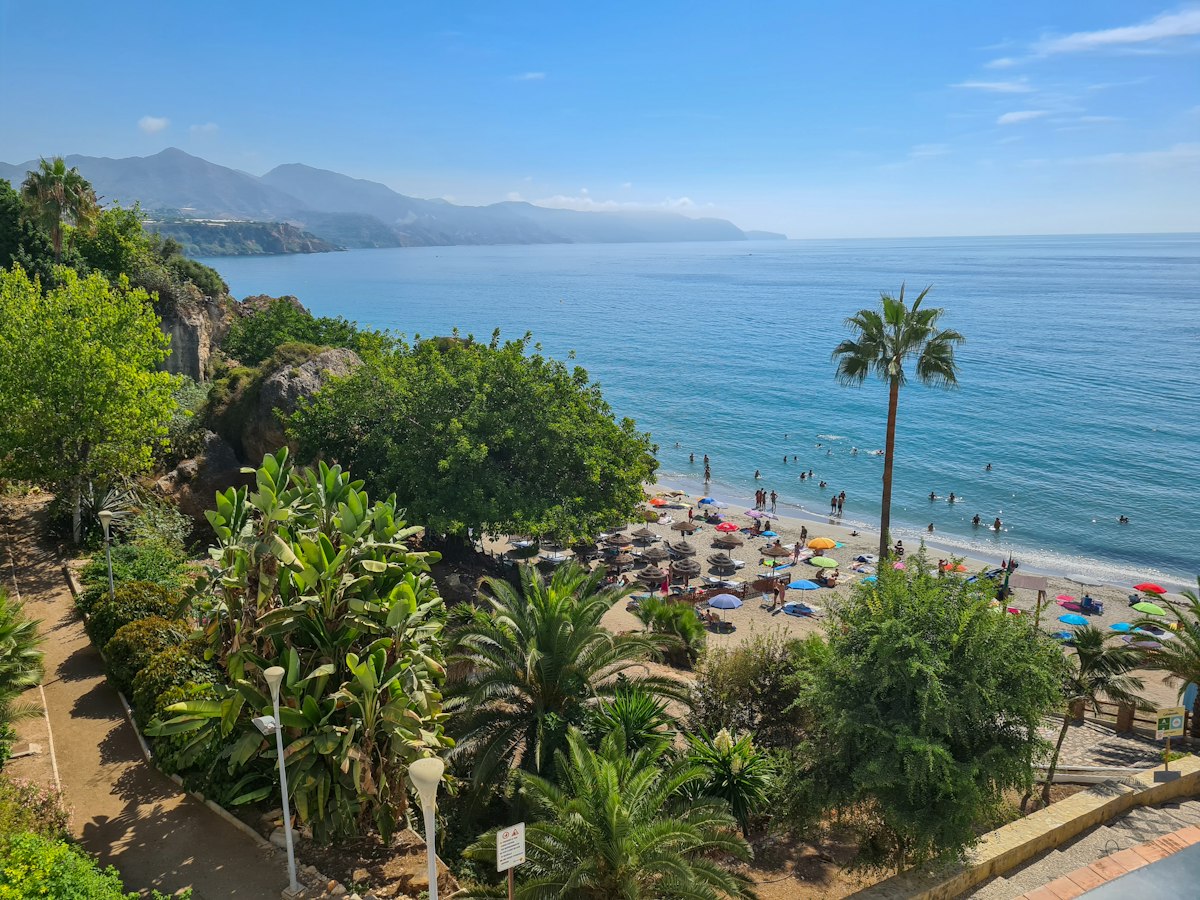
Costa del Sol averages approximately €2,800/m². Marbella's Golden Mile and Benahavís push significantly higher, but the coast between Fuengirola and Estepona gives you genuine quality for considerably less than Mallorca.
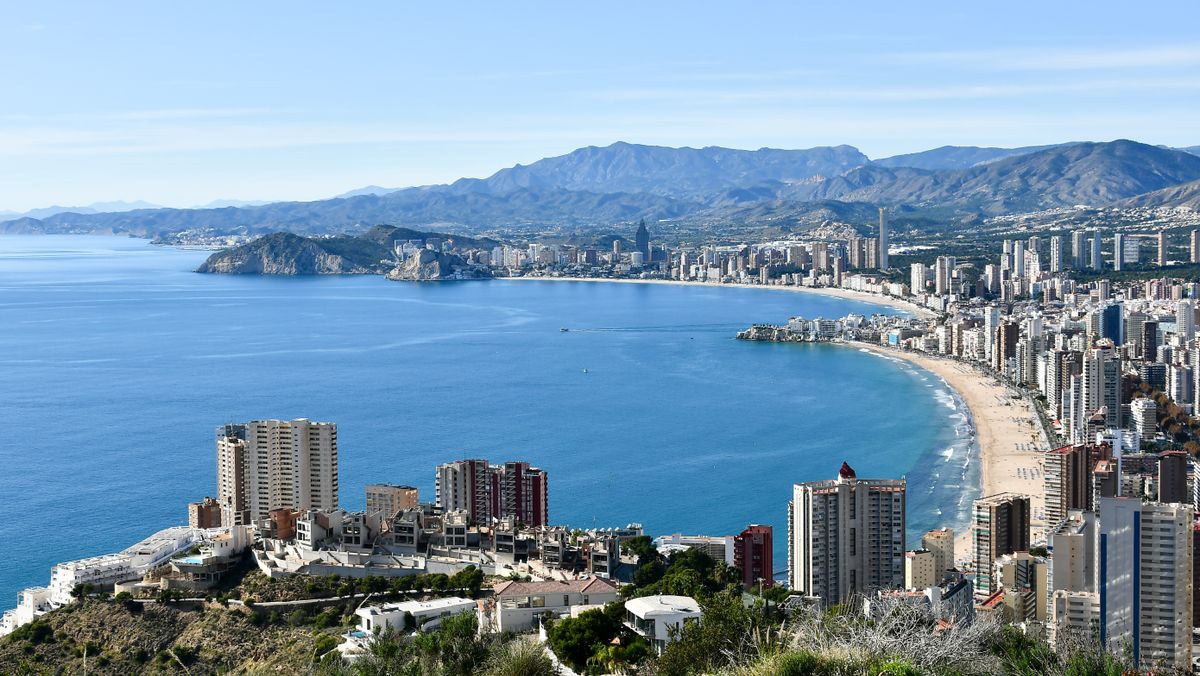
Costa Blanca sits at roughly €1,800/m² across the region, with the north (Javea, Moraira, Altea) edging above €2,000/m² and the south (Torrevieja, Orihuela Costa) offering properties from as little as €1,200/m².
Murcia / Costa Cálida averages around €1,200/m², making it the most affordable of the four options and one of the best-value coastal destinations in Western Europe.
To put that in practical terms: a 100m² apartment on Mallorca costs around €320,000. For the same money on the Costa Blanca, you could buy a detached villa with a private pool. In Murcia, you'd have budget left over for a car and several years of running costs.
Why Is Mallorca So Expensive?
Three factors drive the island premium, and understanding them matters if you're deciding whether it's justified.
Limited supply. Mallorca is 3,640 km² of finite land. Roughly 42% of the island is protected under the Tramuntana UNESCO World Heritage designation and various nature park statuses, meaning development is heavily restricted. Unlike the mainland coasts, there is no meaningfully expanding supply of new buildable land.
Demand is international and deep-pocketed. German buyers have dominated the Mallorca market for decades, joined by Scandinavians, Swiss, and increasingly US buyers who favour the island over French Riviera prices that have grown beyond reach. This is not a market driven primarily by British holiday-home buyers — it's a genuinely global luxury market.
The island effect. There's a psychological premium attached to insularity. Mallorca feels exclusive in a way that Benalmádena simply doesn't, and that feeling is priced in.
Accessibility: Getting There and Getting Around
Mallorca has one airport: Palma de Mallorca (PMI). It handles around 30 million passengers annually and has excellent direct connections to UK airports — Ryanair, Jet2, easyJet, and TUI all operate routes from most major British cities, primarily in the summer season.
The critical word there is summer. Direct, affordable flights to Mallorca from the UK are abundant from April through October. In winter, frequencies drop sharply and prices on remaining services rise. If you're planning regular visits to a holiday home — say, monthly long weekends — the winter schedule is something you'll encounter repeatedly.
The mainland coasts have a structural advantage here. Alicante Airport (ALC) runs year-round to over 30 UK airports with Ryanair and easyJet operating high-frequency routes even in January. Málaga Airport (AGP) is similarly strong, with carriers including British Airways, Vueling, and multiple budget airlines maintaining winter schedules.
If you're driving from the UK via the Channel Tunnel and France, the mainland also wins unambiguously. A drive to Alicante is straightforward in two days. Mallorca requires a ferry crossing from Barcelona or Valencia — manageable, but it adds complexity and cost to every driving visit.
Tourist Rental Licences: A Critical Difference
This is perhaps the most practically significant point for buyers who intend to let their property when they're not using it.
Mallorca has some of the most restrictive short-term rental legislation in Spain. The Balearic regional government introduced a moratorium on new tourist rental licences for apartments in 2018, which has been progressively extended and tightened. In 2024, the Balearic government announced further restrictions limiting new licences predominantly to detached properties (unifamiliars) in certain zones, and the moratorium on apartment licences in tourist saturation zones was reaffirmed.
The practical result: if you buy an apartment in Mallorca with the intention of listing it on Airbnb or through a rental agency, you will almost certainly not be able to obtain a legal tourist rental licence. Properties already holding licences are available on the market and command a notable price premium precisely because of their rarity.
The mainland is more accessible, though the picture is nuanced by region.
Murcia and the Region of Valencia (which includes the Costa Blanca) have active tourist licence systems. Obtaining a licence requires registration with the regional tourism authority, meeting specific requirements around habitability, access, and facilities, and paying local tax. The process is bureaucratic but achievable — thousands of properties on these coasts operate legally as tourist rentals.
The Costa del Sol falls between the two extremes. Andalusia has an active rental licence regime, but many municipalities around Marbella and Málaga have introduced local restrictions on rental concentrations in certain zones. It's workable, but requires careful due diligence before purchase.
If rental income is central to your investment case, the mainland — particularly the Costa Blanca and Murcia — gives you a materially more straightforward path.
Year-Round Living: Infrastructure and Community
For buyers considering full-time relocation rather than a holiday home, Mallorca is genuinely competitive. Palma is a proper city of 450,000 people with good hospitals, international schools, a functioning public transport system (rare in Spanish coastal towns), and a diverse economy that doesn't rely exclusively on tourism.
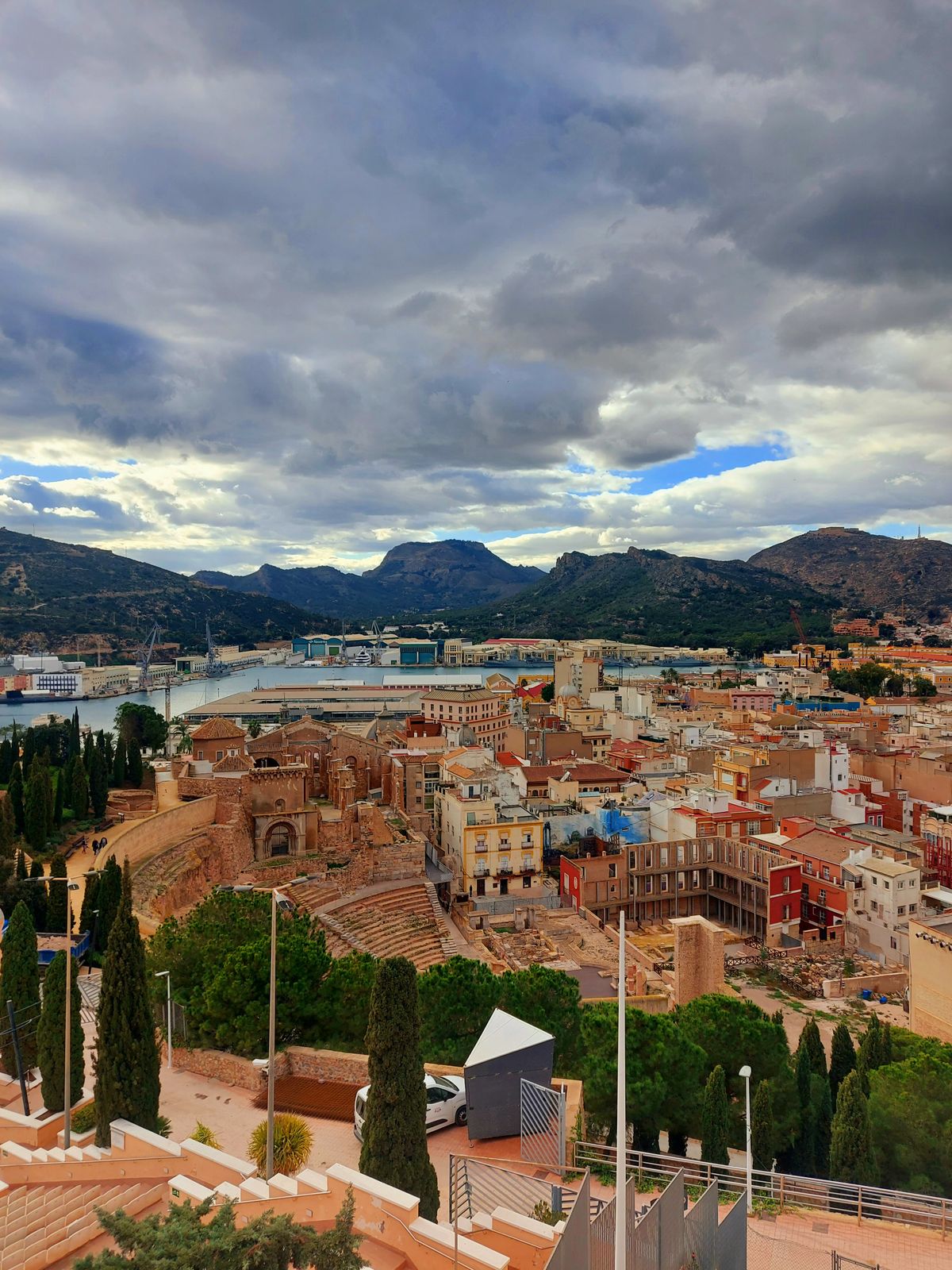
However, the same is true of the mainland at significantly lower cost. Alicante city has a teaching hospital (Hospital General Universitario), multiple international schools, a functioning tram network, and an urban sophistication that surprises visitors expecting a resort town. Málaga, Murcia city, and Cartagena all offer genuine city infrastructure.
The expat communities on the mainland coasts are substantial. The Costa Blanca has an estimated 100,000+ British residents. The Murcia coast has a large and well-organised British and Irish community, particularly around Los Alcázares and Mazarrón. These are communities with established social clubs, English-speaking GPs, British supermarkets, and the general fabric that makes relocation less isolating.
Mallorca's expat community is heavily German, which is neither a positive nor a negative — but British buyers sometimes find the social infrastructure less immediately familiar than on the mainland coasts.
Lifestyle: Prestige vs Value
This is the point where honest advice gets harder to give, because lifestyle preference is subjective.
Mallorca offers something the mainland doesn't quite match: a sense of arrival, of being somewhere genuinely special. The Tramuntana villages, the coves of the north and east coast, the quality of the food and wine, the absence of the bleak high-rise density that scars parts of the Costa del Sol — Mallorca has a coherent identity and visual beauty that's hard to argue with. If your primary goal is to own a beautiful place and money is not the binding constraint, Mallorca justifies the premium.
The mainland, particularly the Costa Blanca Norte and Murcia coast, offers something different: extraordinary value, accessible infrastructure, and genuine community without the island's price tag. The area around the Mar Menor — Los Alcázares, San Javier, Lo Pagán — has a landscape quality and way of life that more than compensates for the absence of celebrity cachet.
A useful rule of thumb: if you want a place that impresses people at dinner parties, Mallorca wins. If you want a place that improves your actual daily life, the mainland is worth very careful consideration.
Who Each Option Suits
Mallorca suits you if:
- Your budget comfortably exceeds €500,000 for a meaningful property
- You want a luxury holiday home used primarily in summer
- The property already holds a tourist rental licence (or you don't need rental income)
- You're drawn to the international luxury market and island lifestyle specifically
- You want somewhere with genuine year-round city infrastructure in Palma
- You want maximum value for your budget — particularly if that budget is under €400,000
- Rental income is important to your financial case
- You plan regular year-round visits and need reliable, affordable flight connectivity
- You're relocating full-time and want a large English-speaking expat community
- You want a pool and garden for the price of a Mallorcan apartment
Tax and Legal: No Meaningful Difference
One area where the comparison is simple: tax and legal process are essentially identical.
Both are subject to Spanish national law for the buying process — you'll need an NIE number, a Spanish bank account, a lawyer, and a notary. Both are subject to the same non-resident income tax obligations (19% on EU residents, 24% on non-EU) and the same capital gains tax rates.
Transfer tax (ITP) on resale properties varies by region: Balearic Islands charges 8–12% (sliding scale), while mainland regions typically charge 8–10%. This difference is modest in the context of overall price differentials.
Spanish mortgage rules, inheritance tax, and wealth tax all apply equally. There is no structural tax advantage to either location.
FAQ
Is Mallorca overpriced compared to mainland Spain?
Relative to the mainland coasts, Mallorca commands a significant premium — typically 75–165% more per square metre depending on which mainland coast you compare. Whether that premium is "overpriced" depends on your use case. For a holiday home with no rental income, you're buying an experience and location that the mainland doesn't replicate. For an investment property or a value-focused purchase, the premium is hard to justify.
Can I get a tourist rental licence in Mallorca?
In most cases, no — not for apartments or properties in tourist saturation zones. The Balearic government's moratorium on new apartment rental licences has been in place since 2018 and shows no signs of reversal. If rental income is part of your plan, you should focus on detached properties in eligible zones, or reconsider the location. Always verify the current licensing position with a local property lawyer before purchasing.
Which is better for families?
Both work, but with different trade-offs. Palma has good international schools and genuine city infrastructure. The mainland coasts — particularly the Costa Blanca and Murcia — have established British and Irish communities with English-medium schools, British supermarkets, and GPs who speak English. The mainland is generally more affordable, which means more space for the same money — relevant if you have children who need bedrooms and a garden.
Is Costa Blanca a good alternative to Mallorca?
Genuinely, yes — and for many buyers, it's the better choice. The Costa Blanca Norte (Javea, Moraira, Altea, Denia) offers a landscape quality and lifestyle that is underrated internationally. You get mountains meeting sea, excellent food culture, year-round accessibility, functioning tourist rental licence regimes, and prices that are 40–50% below equivalent Mallorca properties. If you've been looking at Mallorca out of habit rather than analysis, the Costa Blanca Norte deserves serious consideration.
What about driving to my property?
This matters more than people realise. Driving to Alicante or Murcia from the UK (via Calais and France) takes about 18–20 hours and is very manageable over two days. You can bring the car loaded with belongings, avoid airline baggage fees, and arrive at your door. Mallorca requires a ferry crossing — typically Barcelona or Valencia to Palma — which adds a day, ferry costs, and logistical complexity to every driving trip. For frequent users, the mainland driving advantage compounds significantly over time.
Ready to find your property in Spain?
Browse thousands of verified listings from licensed local agents.
Browse properties →