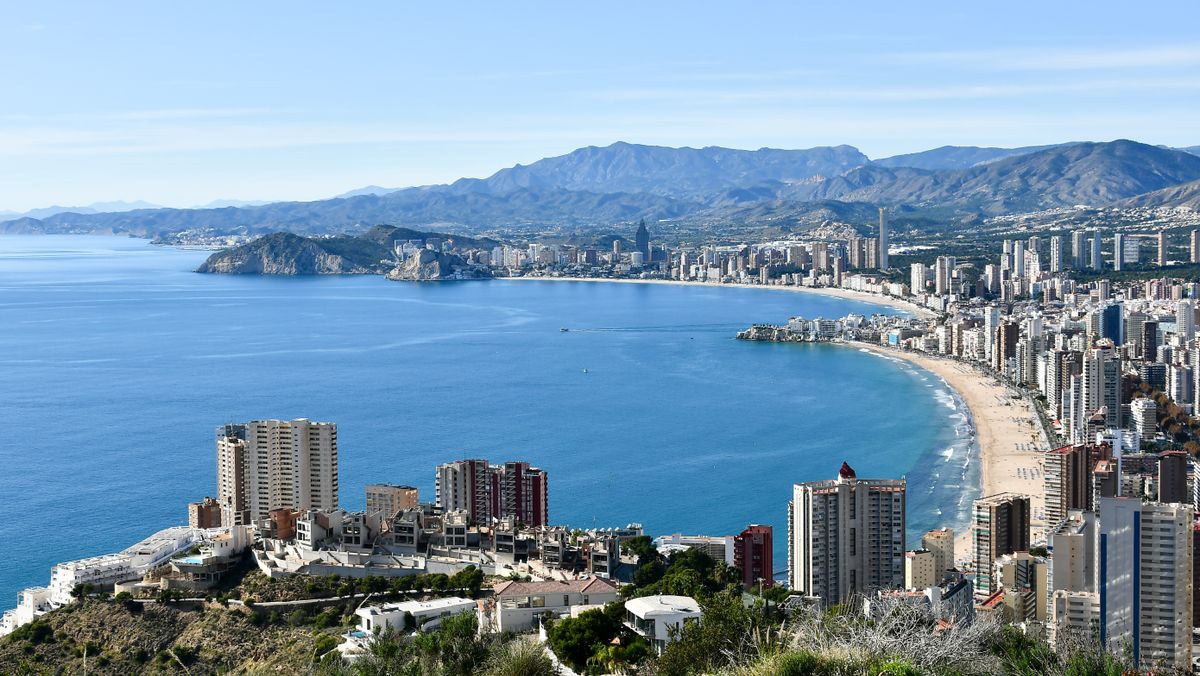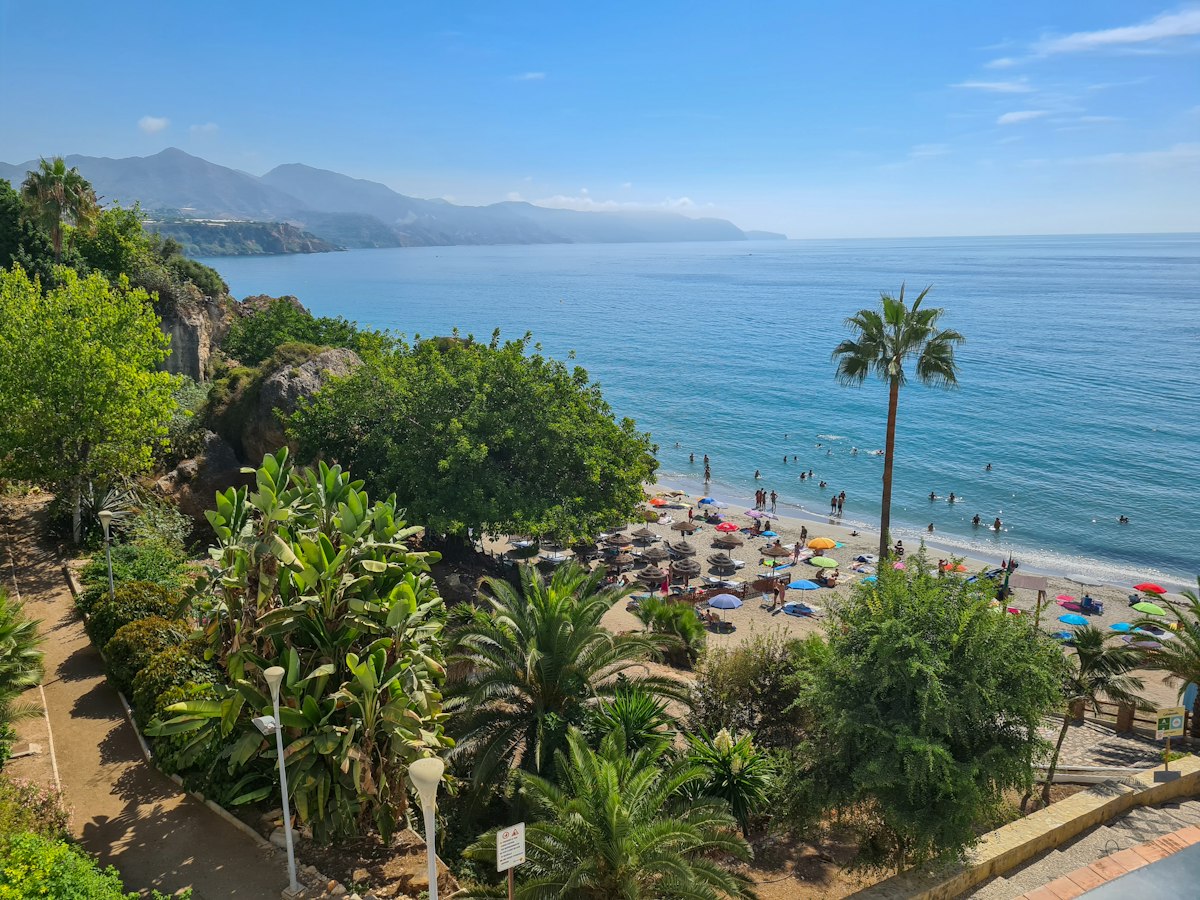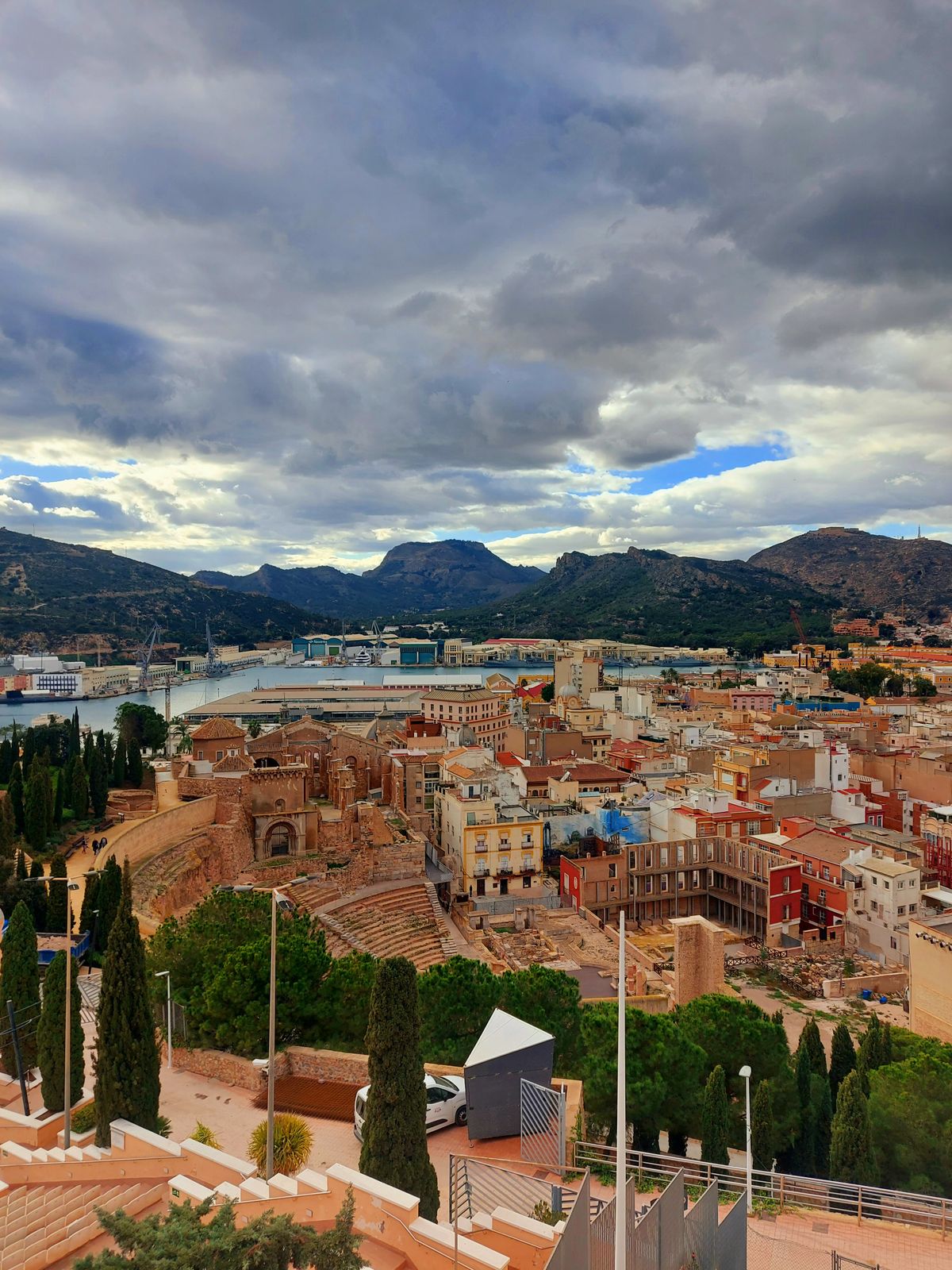
Most Costa Blanca towns are resort towns. Alicante is not. It's a provincial capital of 330,000 people with a working economy, a genuine city centre, excellent hospitals, two universities, and a cultural life that exists independently of whether tourists show up. That distinction matters enormously when you're deciding what kind of property purchase you're actually making.
If you want a quiet village or a sun-drenched urbanisation, Alicante probably isn't your answer. But if you want urban energy, year-round rental income, good infrastructure, and the security of owning in a city rather than a mono-seasonal resort — Alicante deserves serious attention.
It's also one of the few places on the Spanish coast where the airport is part of the city rather than an inconvenient distance from it. Alicante-Elche Airport (ALC) sits 12 kilometres southwest of the centre, with year-round direct services from London, Manchester, Birmingham, Bristol, Edinburgh, and most other major UK airports. That direct connection is baked into the resale value of anything you buy here.
Is Alicante a Good Place to Buy Property?
Yes — with the right expectations. Alicante gives you European city living at prices that would be laughable in any comparable UK city, or in Barcelona, Madrid, or even Valencia. The trade-off is that you're buying into urban Spain, not a beach retreat. If your vision is a quiet villa with nothing but birdsong and a pool, look further up or down the coast. If you want cafés, restaurants, nightlife, a tram to the beach, world-class healthcare nearby, and easy flights home — Alicante delivers all of that at a price that still makes sense.
Why Alicante Keeps Selling
1. The airport is genuinely convenient. A 15-minute taxi from the centre. Most Costa Blanca buyers have to factor in a 30–60 minute drive to ALC. Alicante buyers don't. That matters for rental guests, for flying back for weekends, and for long-term resale value.
2. It's a real city, not a resort dependent on one season. Demand — for property, for rentals, for services — exists year-round. The permanent Spanish population keeps the economy functioning through the winter months. Restaurants don't shut in November. That alone separates Alicante from most of the coast.
3. Price-to-quality ratio is still compelling. You can buy a renovated two-bedroom apartment in a great neighbourhood for €180,000–€250,000. Try doing that in Valencia, let alone Madrid. The city hasn't been discovered by the volume of international money that has hit other European coastal capitals, which means there's still value here relative to what you're getting.
Property Types and Price Ranges
Alicante's property market covers everything from modest city apartments to beachfront new builds, with the price per square metre varying significantly by location.
City centre and old town: €2,000–€3,500/m². These tend to be older buildings, often in need of renovation, typically without lifts or parking. Character is high; practicality is sometimes low. A 2-bedroom apartment runs €160,000–€350,000 depending on condition and exact location.
Playa de San Juan: €2,200–€3,800/m². The beach suburb to the northeast, connected to the city by tram. Modern apartment complexes, pools, direct beach access. This is where demand concentrates. Expect €180,000–€400,000 for a two-bedroom.
Albufereta: €2,500–€4,000/m². The upscale northern beach suburb between the city centre and Campello. More exclusive, less frenetic than San Juan. Good demand from quality buyers.
Gran Alacant: €1,400–€2,200/m². The budget entry point, a southern urbanisation close to the airport. Villas start from €120,000, though most quality purchases sit €180,000–€280,000. Popular with British retirees.
El Campello: €1,800–€2,800/m². A coastal village 10km north of the city. More relaxed pace, own beach, good year-round community. Apartments from €150,000, up to €300,000 for seafront positions.
Villas: From €280,000 in Gran Alacant for an older detached home with pool; €500,000+ near Playa de San Juan for something modern with sea views.
For a full breakdown of purchase costs on top of these prices, see our guide to buying costs in Spain — budget 10–13% on top of the purchase price for taxes, legal fees, and notary costs.
The Best Areas to Buy
Playa de San Juan
Playa de San Juan is where most buyers end up, and for good reason. Six kilometres of clean sandy beach, a tram line back to the city centre, modern apartment buildings with pools and underground parking, and consistent rental demand from both tourists and locals.
This is Alicante's primary beach district — not a village with a beach, but a proper beachside suburb with its own commercial centre, restaurants, supermarkets, and year-round residents. That makes it work as a year-round rental rather than just a summer-season play.
Prices have risen steadily. A two-bedroom apartment in a mid-range complex with pool and parking runs €180,000–€280,000 inland from the front line. Beachfront or sea-view positions push €300,000–€400,000. New build prices are higher still.
If you're buying for a combination of personal use and rental income, Playa de San Juan is the most bankable choice in the city.
El Casco Antiguo (Old Town)
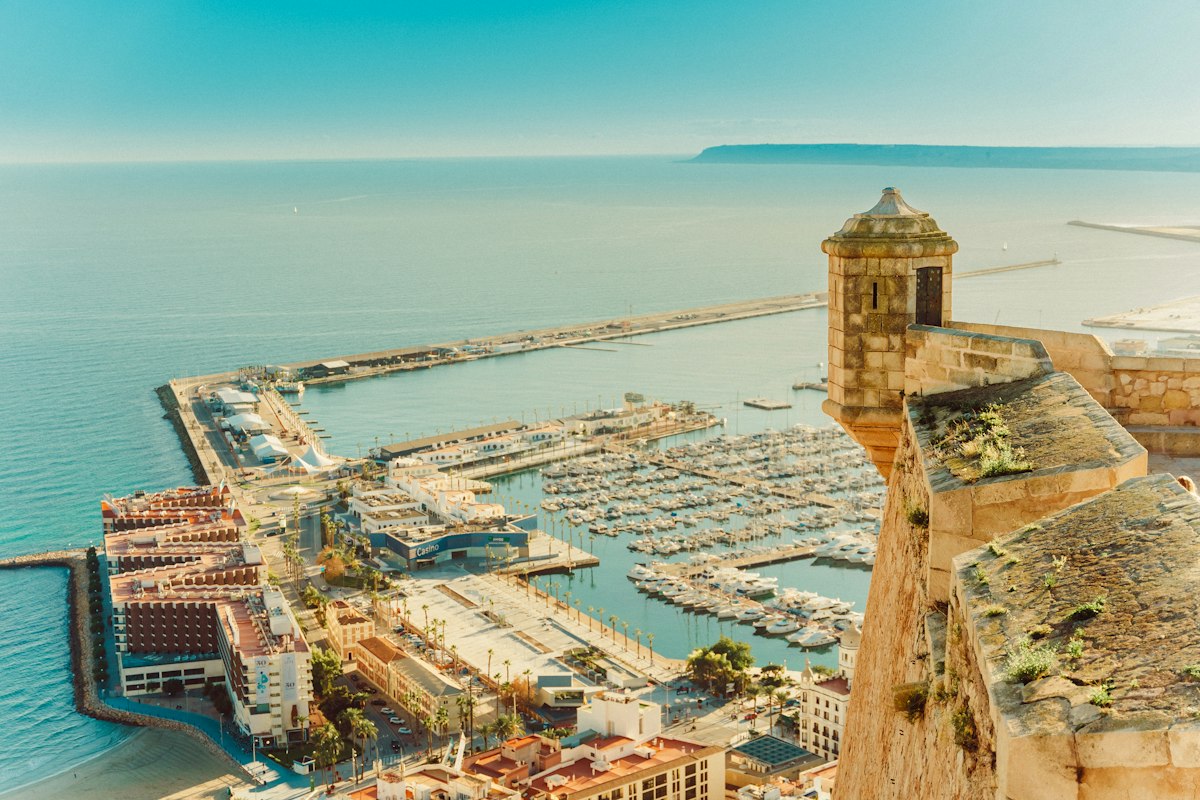
El Casco Antiguo sits beneath the Castillo de Santa Bárbara on the hill that anchors the city centre. It's one of the most visually striking parts of Alicante — Baroque churches, tapas bars in every alley, the Explanada de España palm promenade running along the harbour edge.
It's gentrifying, but hasn't gentrified. That means you can still find unrenovated apartments at €160,000–€220,000 for a two-bedroom, with renovated or better-located properties pushing €250,000–€320,000.
The rental yields here are good — tourist licence demand is strong, the location sells itself. But know what you're buying. Many buildings have no lift. Parking is either a nightmare or an additional cost. Nightlife noise is part of the deal, especially at weekends. And the tourist licence situation — covered in our guide to renting out property in Spain — requires checking at community level; some buildings prohibit short-term lets.
For the right buyer — someone who wants a city-centre bolthole with strong rental credentials and doesn't need a car — the old town is genuinely attractive. For families or buyers who need practicality, look elsewhere.
Albufereta
Albufereta is the neighbourhood Alicante buyers graduate to once they've done their research. Located between the city centre and El Campello, it's a smaller, quieter beach suburb with a marina, good restaurants, and an established residential feel that distinguishes it from the busier Playa de San Juan strip.
Prices reflect the demand. Expect €2,500–€4,000/m², which puts a two-bedroom apartment at €250,000–€400,000 depending on floor, views, and building quality. Sea-view positions command a premium that holds well at resale.
It's not the place to chase maximum rental yield — the profile here is more owner-occupier or long-term rental than tourist let. But if you're buying a property you'll actually use and care about holding long-term, Albufereta consistently attracts quality buyers and retains value well.
Gran Alacant
Gran Alacant is a large residential urbanisation south of the city, close to the airport and to the natural park of Clot de Galvany. It's popular with British retirees in particular, and has a functioning expat community with English-speaking services, familiar supermarkets, and an established social scene.
The prices are the draw. Villas — detached houses with private pools — start from €120,000 for older stock needing work, with well-maintained 3-bedroom villas sitting €200,000–€320,000. Apartments run €120,000–€200,000.
The honest caveat: Gran Alacant requires a car. Without one, you're stuck. The urbanisation is spread out, and local walking amenities are limited. It also sits close enough to the flight path to notice aircraft noise. Neither of these is dealbreaking for the right buyer — many people love the community atmosphere and the space their money buys — but go in clear-eyed.
El Campello
El Campello is a coastal village 10km north of Alicante that functions as its own place rather than a city suburb. It has a traditional fishing harbour, its own beach, a good selection of local restaurants, and a year-round Spanish residential community that keeps it feeling genuine rather than purpose-built-for-tourists.
The tram connects it directly to Alicante city centre and to Playa de San Juan, making it practical without requiring full city immersion. That commuter appeal makes it popular with buyers who want a calmer base without total isolation.
Prices are mid-range for the area — €150,000–€300,000 for apartments, more for seafront positions. It's particularly good for buyers prioritising year-round living quality over maximum rental return.
What Your Budget Actually Buys
€200,000: A two-bedroom apartment in a mid-range complex near (but not on) Playa de San Juan — communal pool, likely some parking. Or a solid two-bedroom in Gran Alacant with private garden. This is the entry point for buying something decent without compromising significantly on quality or location.
€350,000: A front-line apartment at Playa de San Juan with sea views, or a quality 3-bedroom villa in Gran Alacant with private pool. At this level you're starting to access the genuinely good stock rather than choosing between compromises. New build two-bedrooms in better complexes also appear at this price.
€500,000+: A sea-view apartment in Albufereta in a quality building, or a modern villa near the coast. This is where Alicante's market still looks good value against comparable Spanish coastal cities — you're buying into the top of the local market but at prices that a similar property in Marbella or Ibiza would find laughable.
Rental Potential — Realistic Numbers
Alicante's rental market benefits from two things most Costa Blanca towns lack: a functioning airport and a large permanent population.
The tourist rental season runs roughly April to October, with peaks in July and August. But unlike a pure resort town, there's a meaningful off-season market from students, medical professionals, and business visitors using the city's hospitals and universities. That makes annual yield calculations more reliable.
Gross yields on well-bought beach area apartments: 4–6%. Playa de San Juan is the strongest performer. Old town can match this figure but with more management friction. Gran Alacant typically yields 3–5% net given lower acquisition prices but lower achievable nightly rates.
Tourist licences in the Comunidad Valenciana — the regional authority that covers Alicante — are available but subject to restrictions. Community of owners approval is required in most apartment buildings, and the regional government has introduced limits in certain zones. Check the specific building and area before assuming tourist let is viable. Our guide to Spanish rental licences covers the process in detail.
For buyers considering a mortgage to part-fund the purchase, see our guide to Spanish mortgages for non-residents — lenders will typically advance 60–70% of the appraised value.
The Honest Downsides
City traffic and parking. Alicante's city centre can be genuinely congested, and parking in the old town or established residential areas is limited and often expensive. If you need a car for daily life, budget for a parking space — they trade separately for €10,000–€25,000 in central areas.
Gran Alacant isolation. Mentioned above, but worth emphasising. Without a car you'll struggle. The urbanisation model — spread-out housing, one main commercial strip, no easy public transport — doesn't suit everyone. Some buyers love the quiet; others find it suffocating after six months.
Old town practicalities. No lift, no parking, noise from below. These aren't dealbreakers but they catch buyers who fell in love with the romance of a castle-view apartment without thinking through carrying shopping up five flights.
Airport noise in southern areas. Gran Alacant and parts south sit under the flight path. ALC is busy year-round. Worth an on-the-ground assessment at different times of day before committing.
New build premium and wait times. Alicante has seen significant new development, particularly around Playa de San Juan. New builds offer modern specs and developer payment plans, but typically command a 15–25% premium over comparable resale stock, and construction delays are common. Factor both into your decision.
Getting There and Getting Around
From the UK: ALC is one of the best-served Spanish airports from British regional airports. EasyJet, Ryanair, Jet2, and British Airways all operate routes. London flights take roughly 2.5 hours. Manchester, Birmingham, and Bristol are under 2.5 hours. Year-round frequency is high — this isn't a summer-only service, which matters for rental income and for visiting out of season.
Local transport: Alicante's tram network (TRAM Metropolitano) is genuinely useful. It connects the city centre to Playa de San Juan, Albufereta, El Campello, and beyond. For anyone buying in those northern beach suburbs, the tram makes car ownership optional rather than essential — a significant quality of life benefit.
Buses cover the city and surrounding areas. The regional bus network reaches Gran Alacant and further south, though frequency drops off and a car becomes more useful the further you get from the tram line.
Within Spain: The AVE high-speed rail connects Alicante to Madrid in under 2.5 hours. Valencia is 90 minutes by train. Barcelona around 3.5 hours. For buyers who see Spain as a base for wider European living, this connectivity matters.
Final Verdict
Alicante is the most underrated property market on the Costa Blanca, and possibly in Mediterranean Spain. It offers genuine city infrastructure, an airport that makes ownership genuinely convenient, year-round rental demand, and prices that still make sense — all in a place with 300 days of sunshine and a Mediterranean coastline on its doorstep. The buyers who make the most of it are those who want urban life in Spain, not a beach retreat, and who do their area research before assuming all five neighbourhoods are interchangeable. Get the location right, and you're buying into something with long-term substance rather than seasonal charm.
---
*Ready to start looking? Our Costa Blanca property overview covers the full coast. For the buying process step by step, see our complete guide to buying property in Spain. And before you do anything, make sure your NIE number is in order.*
Ready to find your property in Spain?
Browse thousands of verified listings from licensed local agents.
Browse properties →