San Juan de Alicante: The Coastal Suburb Buyers Keep Coming Back To
If you've spent time in Alicante city and thought "I could live here — but right on the beach," then San Juan de Alicante is almost certainly the answer. Sitting just six kilometres north of the city centre along the Costa Blanca, Sant Joan d'Alacant (as it's known in Valencian) combines genuine beach living with urban-level amenities and a transport link that makes the airport feel around the corner. It's one of those rare spots where you don't have to compromise.
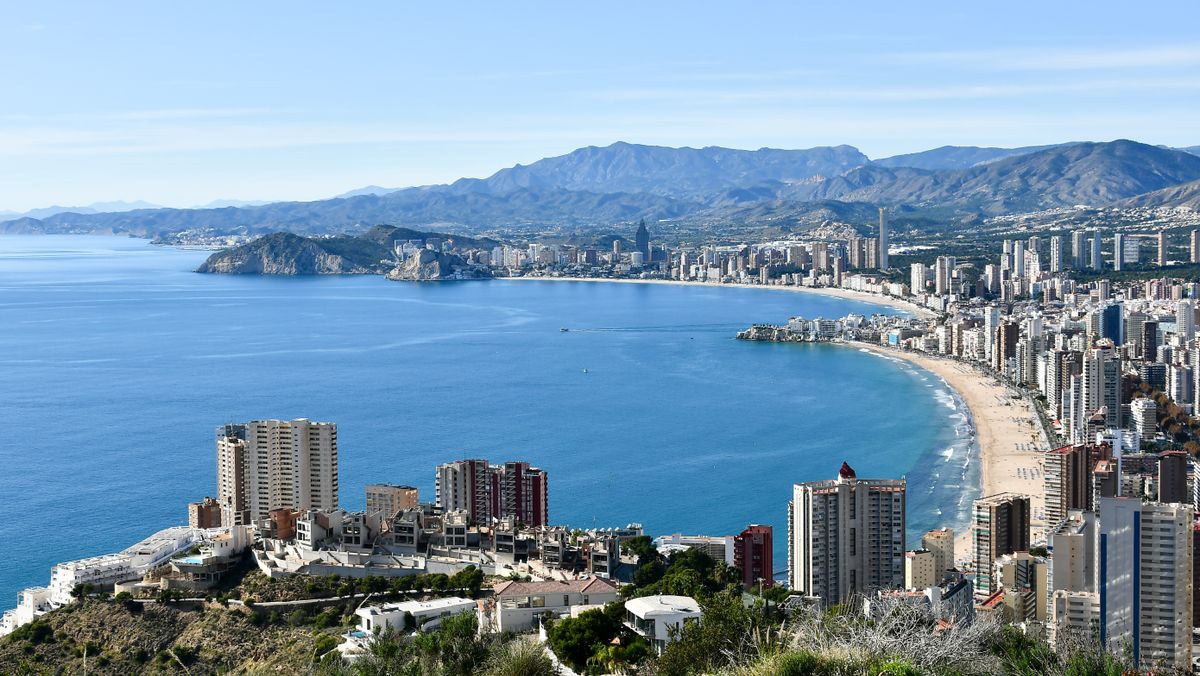
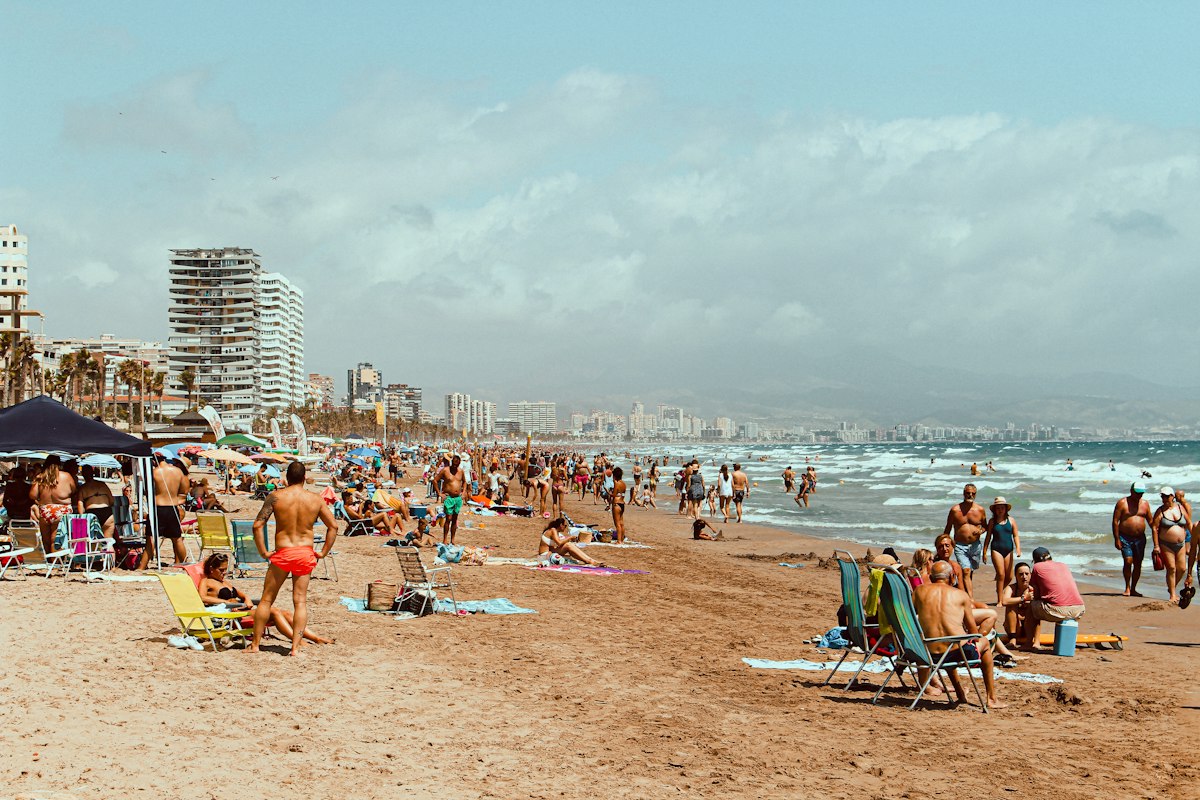
The star attraction is Playa de San Juan — four kilometres of wide, fine-sand beach running in a gentle arc with calm Mediterranean water, backed by a seafront promenade lined with restaurants, beach bars, and cycle paths. This isn't a party beach. It's the beach where Alicante families spend their summers, where local workers decompress on Friday evenings, and where expats who've been here a decade still can't quite believe their luck.
---
Why Buyers Choose San Juan de Alicante
Alicante Airport is 15 minutes away. For anyone flying back to the UK, the Netherlands, or Germany regularly, this matters enormously. You're not stuck in an hour-long motorway slog after a flight — you're home before you've had time to feel jet-lagged. El Altet Airport handles direct routes to most major European cities and has expanded its year-round schedule considerably.
The expat community is well-established. British, Dutch, German, and Scandinavian residents have been buying here since the late 1980s. That means infrastructure has caught up: English-speaking estate agents, solicitors, and letting agents are straightforward to find. The area doesn't feel like it's still figuring out how to accommodate foreign buyers — it's been doing it for decades.
You get city access without city prices. Alicante's old town, marina, and restaurant scene are 15 minutes by tram or car. But property in San Juan typically costs less per square metre than comparable city-centre apartments, and you get the beach thrown in. That equation doesn't exist in many places along the Costa Blanca.
Year-round living is genuinely comfortable. San Juan isn't a ghost town in winter. The University of Alicante is nearby, the Hospital de San Juan serves the northern part of the city, and there's a permanent population of professionals, families, and retirees who live here year-round. Restaurants stay open, the market runs, life continues.
---
Neighbourhoods: Where to Look
Playa de San Juan Strip The long seafront strip running directly along the beach is where you'll find the densest concentration of holiday apartments and modern residential developments. Prices here command a premium for sea views, and competition for front-line units is consistently strong. Ideal for buyers who want to rent out in summer — this is where seasonal demand peaks.
El Cabo de las Huertas The upmarket clifftop enclave at the southern end, sitting between San Juan and Alicante city, is arguably the most sought-after address in the area. Elevated plots with panoramic sea views, larger detached villas, and a quieter, more residential atmosphere. Buyers here tend to be serious about privacy and quality of build. Prices reflect that.
La Albufereta Tucked between El Cabo and the city, La Albufereta is a sheltered bay that's become increasingly popular with a younger professional demographic — Alicante city workers who want to be by the water without being in the thick of the tourist summer. A mix of older apartment blocks and newer developments, with calmer prices than front-line San Juan.
El Campello Border The northern end of the San Juan beach runs into the municipality of El Campello. Buyers here get slightly more space for money, a less busy stretch of beach, and easy access to El Campello village, which has a good local market and strong year-round community. Worth exploring if the San Juan strip feels too built-up.
---
Property Types and Prices
San Juan de Alicante covers a wide range of property types, which is part of its appeal.
Apartments make up the majority of the market, ranging from compact one-bedroom studios near the beach (from around €150,000) to larger three-bedroom seafront units with views that can reach €350,000 and beyond. Modern builds with pools and parking in the mid-range (€200,000–€280,000) represent the sweet spot for most buyers.
Townhouses and semi-detached properties in the residential streets back from the beach sit in the €250,000–€450,000 range depending on size and condition. These tend to attract families and buyers wanting a garden without the full villa price tag.
Detached villas, particularly in El Cabo de las Huertas and the elevated streets behind the beach, start at around €400,000 and rise to €800,000+ for larger plots with pools and sea views. New-build villas from quality developers have been pushing past €1 million in prime locations.
Seafront developments command a consistent premium of 20–30% over comparable properties a few streets back. If direct sea views matter to you, budget accordingly — and move quickly when something comes up, because well-priced front-line units don't last.
---
Transport and Getting Around
The TRAM Metropolitano de Alicante is a genuine game-changer for this area. The tram line runs along the coast from Alicante city centre, stopping through the San Juan beach strip and continuing north towards El Campello. Journey time to the city is around 20–25 minutes, it runs frequently throughout the day, and it makes car-free commuting entirely viable. For property buyers, a tram stop within walking distance adds tangible value.
By road, the N-332 coastal road connects San Juan directly to Alicante, while the AP-7 motorway gives quick access north towards Benidorm, Calpe, and Dénia, and south towards Torrevieja and Murcia. The whole northern Costa Blanca is within comfortable day-trip range.
---
Schools and Education
La Salle international campus is well-regarded and popular with expat families looking for English-medium education. There are also several state schools serving the area, and Alicante city itself has a broader range of international school options within a short commute.
The University of Alicante sits just inland from San Juan and has a significant impact on the local rental market. Student demand for long-term rentals is consistent, which matters if you're considering buy-to-let — there's a reliable pool of tenants beyond the seasonal summer market.
---
Healthcare
The Hospital de San Juan (Hospital Universitari de Sant Joan d'Alacant) is a full-service university hospital located right in the area. For expats thinking about year-round or retirement living, having a major hospital — not just a local clinic — within minutes is a meaningful reassurance. Private healthcare is also well-established in the Alicante area.
---
Dining, Nightlife, and Day-to-Day Life
San Juan has its own restaurant strip running along the seafront promenade — beach bars that are genuinely good, rather than tourist-trap mediocre. The paella here is the real deal. For a wider restaurant scene, Alicante city's old town (El Barrio) and the marina area are 15 minutes away and offer everything from Michelin-recognised cooking to late-night tapas.
Day-to-day, there's a Mercadona and several supermarkets in the area, a local market, and the usual complement of pharmacies, banks, and services you'd expect from a mature residential suburb. This isn't a place where you're fighting to find basics.
---
Rental Potential
San Juan performs strongly as a rental investment on two separate bases.
Summer seasonal rentals command high weekly rates during July and August in particular, when Spaniards from Madrid and Valencia join European visitors in filling the beach. Front-line apartments and those within easy walking distance of the beach fill up reliably. Licence requirements for tourist rentals apply — budget for the process and ensure any property you're looking at either has one or is in an area where they're granted.
Year-round long-term rentals benefit from the University of Alicante, the hospital workforce, and the general professional population working in Alicante city who prefer coastal living. Yields on long-term rentals tend to be more modest than peak-season holiday lets, but they're consistent and management-light.
---
Who Buys in San Juan de Alicante?
The buyer profile here is notably diverse. Alicante city professionals represent a growing chunk of the market — people who work in the city but want to come home to the beach. British, Dutch, and German retirees remain a strong presence; many have been here for years and their community networks are an easy entry point for new arrivals. Holiday home buyers from northern Europe who want somewhere they can fly to cheaply and rent out when they're not using it round out the picture. It's a market that works for multiple strategies, which is part of why demand here holds up more consistently than in purely seasonal destinations.
---
Frequently Asked Questions
Is San Juan de Alicante a good place to buy property? For buyers who want beach access, city proximity, and a year-round residential community, it's one of the strongest value propositions on the Costa Blanca. The tram connection, airport proximity, and established expat infrastructure make it practical as well as appealing.
How far is San Juan de Alicante from Alicante airport? Around 15 minutes by car, depending on traffic. The airport is to the south of the city, and San Juan is to the north, so you pass through Alicante. Taxis and transfers are straightforward, and several car hire companies operate directly at El Altet.
What are property prices in San Juan Alicante? Apartments start from around €150,000 for a one-bedroom and reach €350,000+ for larger seafront units. Villas range from €400,000 to €800,000, with prime El Cabo de las Huertas properties going higher. Prices have risen over the past three years but remain below comparable coastal spots on the Costa del Sol.
Is San Juan Alicante better than Torrevieja? They serve different buyers. Torrevieja is cheaper, has a larger expat community, and sits further south near Murcia. San Juan is more upmarket, has better transport links (the tram), closer airport access, and a more mixed Spanish-expat demographic. If budget is the primary driver, Torrevieja wins. If quality of infrastructure and liveability matter more, San Juan is the stronger choice.
Ready to find your property in Spain?
Browse thousands of verified listings from licensed local agents.
Browse properties →