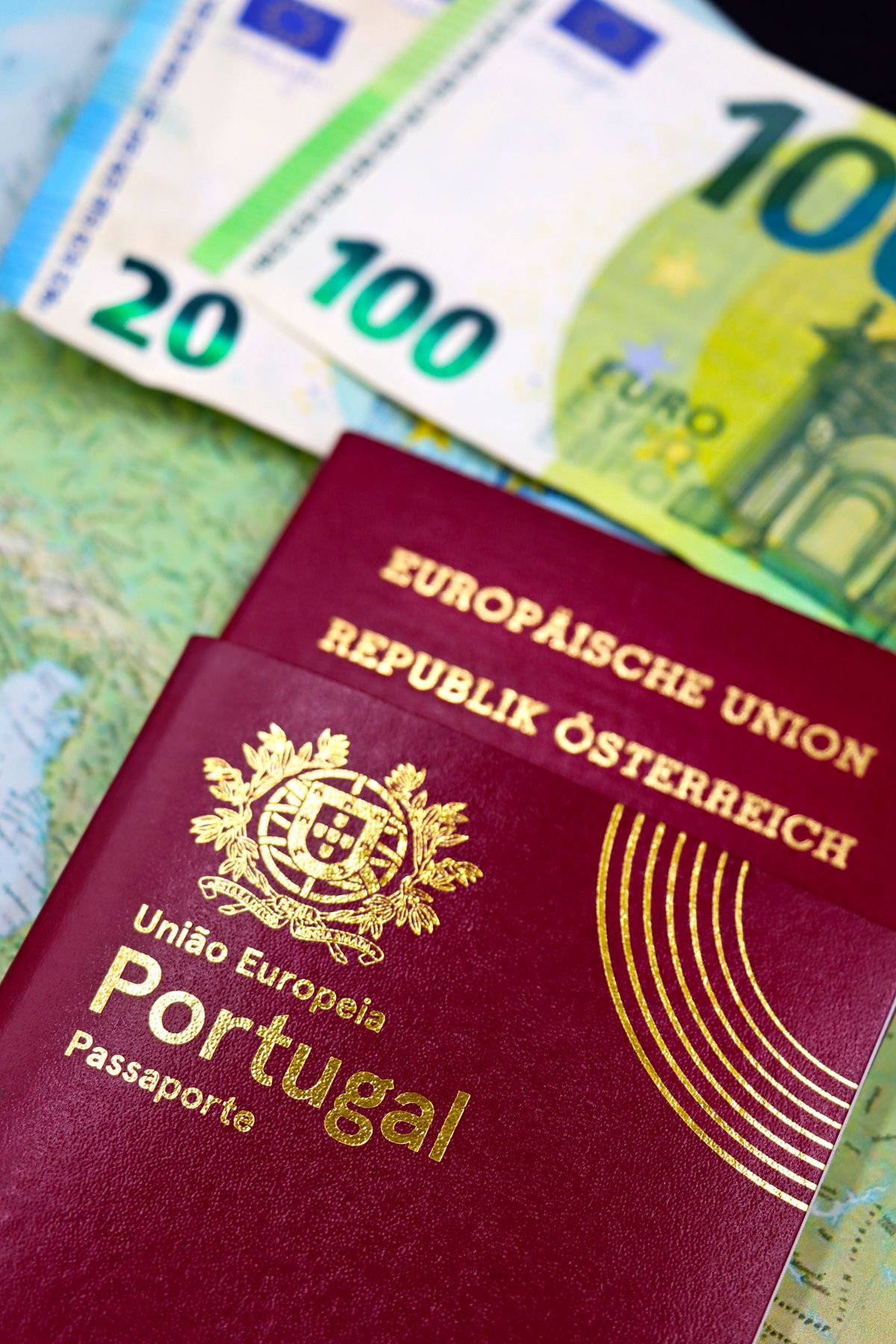
Buying in Spain from abroad involves a surprising number of in-person signatures: the NIE application, the bank account, the deposit contract, and finally the deed itself before a notary. Most foreign buyers don't fly out for each one — they grant their lawyer a power of attorney and let the professionals handle the paperwork while they get on with their lives. Done properly, it's routine and safe. Done carelessly, you've handed a stranger broad legal authority over your affairs in Spain.
What is a Spanish power of attorney and do I need one to buy property? A power of attorney (poder notarial) is a notarised document authorising someone — usually your Spanish lawyer — to act legally on your behalf. You don't strictly need one, but it lets your lawyer sign the deposit contract, open bank accounts, complete the purchase deed, pay taxes, and register the property without you being in Spain. Granted before a Spanish notary it costs roughly €50–€100 and takes one visit; granted in the UK it requires a notary public plus an apostille.
If you're at the start of the journey, read our full guide to buying property in Spain first — the POA makes most sense once you understand the steps it will be used for.
What a Poder Notarial Is
A poder notarial is a formal deed, executed before a notary, in which you (the grantor) authorise a named person (the attorney, or apoderado) to perform specified legal acts in your name. Spanish notaries, banks, tax offices, and the Land Registry all recognise it, which is precisely the point: it substitutes for your physical presence at every stage where a signature is required.
The attorney is almost always your independent Spanish lawyer — and it should be. Never grant a POA to the estate agent or anyone connected to the seller. Your attorney must owe their duty to you alone.
Why Buyers Use One
- You don't live in Spain. Purchases involve multiple appointments over two to three months. Flying out for each is expensive and, for completion dates that shift, often impossible.
- Completion dates move. The notary signing is scheduled around mortgage approval, seller availability, and registry checks. A POA means a moved date is an inconvenience, not a cancelled flight.
- Speed. In a competitive market, a buyer whose lawyer can sign the arras contract tomorrow beats a buyer who needs three weeks to arrange travel.
- Bureaucracy in Spanish. Every document your attorney signs is in Spanish, before officials working in Spanish. Your lawyer does this daily.
General vs Specific POA: Choose Specific
This is the single most important decision in the document.
A general POA grants broad authority — to buy, sell, mortgage, open and close accounts, litigate, and more, over any of your assets in Spain, until revoked. Lawyers sometimes suggest it "to keep things flexible." Decline.
A specific POA (poder especial) limits authority to defined acts for a defined purpose — typically: everything necessary to purchase one identified property (or a property to be identified within a stated budget), including the associated bank account, mortgage, tax filings, and registration.
The specific POA does everything the purchase requires while capping your exposure. If the document is misused, lost, or the relationship with your lawyer sours, the damage is bounded by its terms. Insist that the POA is drafted for this transaction only, and read the powers listed — the notary will happily explain each one.
What the POA Lets Your Lawyer Do
A well-drafted purchase POA typically authorises your lawyer to:
- Apply for your NIE — the tax identification number every buyer needs; see our NIE guide
- Open and operate a Spanish bank account for the purchase funds
- Sign the reservation and arras (deposit) contracts
- Apply for and sign a Spanish mortgage, if you're borrowing
- Sign the escritura de compraventa — the purchase deed — before the notary at completion
- Pay purchase taxes (ITP or VAT/AJD) to the Agencia Tributaria and regional tax offices
- Register the property in your name at the Land Registry
- Contract utilities and set up direct debits
What It Doesn't Cover
A properly limited POA does not authorise your attorney to:
- Sell or mortgage the property afterwards — unless the document expressly says so, which for a purchase POA it shouldn't
- Act outside the named transaction — a POA for the apartment in Estepona confers nothing over your other affairs
- Spend your money at will — the powers are legal signing powers; you control what funds you transfer and when
How to Grant One: In Spain
The simple route, if you're visiting anyway — say, on a viewing trip:
1. Your lawyer drafts the POA and sends it to a notary of your choice. 2. You attend the notary with your passport. The notary confirms your identity, explains the powers (arrange an interpreter or a bilingual draft if your Spanish is limited — many notaries in coastal areas provide English), and you sign. 3. Done in 20–30 minutes, for roughly €50–€100. The lawyer takes an authorised copy and you keep one.
Many buyers grant the POA during the same trip on which they view properties and shortlist. It's an efficient use of a flight.
How to Grant One: From the UK
Entirely doable without travelling, in three steps:
1. Sign before a notary public in the UK. Your Spanish lawyer sends the draft — usually bilingual, in two columns — and you sign it before a UK notary public, who verifies your identity. UK notary fees typically run £100–£250. 2. Apostille. The document needs an apostille under the Hague Convention, issued by the Foreign, Commonwealth & Development Office — around £45–£75 depending on service speed, taking a few days to two weeks. 3. Send the original to Spain. Courier it to your lawyer. If the document was drafted in English only, a sworn translation will be needed in Spain — bilingual drafting avoids this.
Some Spanish consulates in the UK can also execute a poder directly, which skips the apostille — but consular appointments can take weeks to secure, so the notary-plus-apostille route is usually faster in practice. Dutch, German, and Scandinavian buyers follow the same pattern through their own notaries, with the apostille from their national authority.
Total realistic timeline from the UK: one to three weeks. Build it into your purchase schedule — ideally before you make an offer.
How to Revoke It
A POA remains valid until revoked, the stated purpose is completed, or an expiry date in the document passes. To revoke:
- Sign a deed of revocation before a notary (in Spain or abroad, same formalities as granting).
- Notify the attorney formally — revocation is only fully effective against them once they know.
- The notary records the revocation, and Spanish notaries check the General Council of Notaries' registry when a POA is presented, so a revoked poder will be caught at the next attempted use.
The Risks of a Badly Drafted POA — and How to Neutralise Them
The horror stories that circulate about Spanish POAs share the same ingredients: a general power, granted to someone who wasn't an independent professional, left alive for years. Avoid all three:
- Too broad. A general POA over all your Spanish affairs is almost never necessary for a purchase. Specific, always.
- Wrong attorney. Only an independent lawyer you have engaged and verified — check their registration with the local Colegio de Abogados. Never the agent, the developer, or the seller's lawyer.
- No expiry. Powers that outlive their purpose are pure downside. Time-limit the document.
- Signing what you haven't read. Get the bilingual draft in advance, read every power, and question anything you don't understand before the notary appointment, not during it.
Questions to Ask Before You Sign
1. Is this a specific POA limited to this purchase — and where does the document say so? 2. Exactly which powers are included, and why is each one needed? 3. Does it include a power to sell or mortgage? (For a purchase POA: it shouldn't, beyond any mortgage you're taking to buy.) 4. When and how does it expire? 5. Who holds the authorised copies? 6. What will you notify me of before signing on my behalf — and in what form? 7. What does revocation cost and how quickly can it be done?
A good lawyer answers all seven without hesitation. Hesitation is itself an answer.
Frequently Asked Questions About Spanish Powers of Attorney
Can I buy a Spanish property without ever visiting Spain? Legally, yes — with a POA, your lawyer can complete every step remotely. Whether you should buy a property you've never seen is another matter; most buyers visit to view and grant the POA on the same trip.
How much does a Spanish power of attorney cost? Granted before a notary in Spain: roughly €50–€100. Granted from the UK: notary public fees of £100–£250 plus the FCDO apostille (£45–£75) and courier costs. Bilingual drafting by your Spanish lawyer is usually included in their conveyancing fee.
Is it safe to give my lawyer power of attorney? Yes, provided the lawyer is independent, verified with the local bar (Colegio de Abogados), and the POA is specific to the transaction with a defined expiry. The risk lives in general, open-ended powers granted to unverified parties.
Can both my partner and I be covered by one POA? No — each person who will appear on the title deed grants their own POA (and needs their own NIE). Couples usually sign at the same notary appointment.
What happens to the POA after completion? If drafted with an expiry or purpose limitation, it lapses on its own. If not, revoke it before a notary and notify your lawyer in writing. Ask your lawyer to confirm in writing that the poder is spent.
Does a UK lasting power of attorney work in Spain? No. A UK LPA is a domestic instrument for incapacity planning and is not accepted for Spanish conveyancing. You need a poder notarial executed with Spanish formalities — before a Spanish notary, or abroad with an apostille.
---
Found the right property and ready to move? Browse listings on Voya → — and get your lawyer and POA lined up before you offer.
---
*This guide is for informational purposes only and is not legal advice. Always take advice from an independent, registered Spanish lawyer before granting a power of attorney.*
Ready to find your property in Spain?
Browse thousands of verified listings from licensed local agents.
Browse properties →